7 Unbuilt Masterplans Reimagining Urban Futures Through Ecology and Collective Space | ArchDaily
Summary
The article explores seven innovative unbuilt masterplans that aim to reshape urban environments through ecological principles and collective spaces, highlighting diverse global strategies.
Why It Matters
As cities face increasing environmental and social challenges, these unbuilt masterplans offer visionary solutions that prioritize resilience, mobility, and ecological integration. They reflect a shift towards adaptive urbanism, emphasizing the importance of community and sustainability in future city planning.
Key Takeaways
- Unbuilt masterplans provide insights into future urban resilience.
- Projects focus on ecological integration and community spaces.
- Diverse geographical contexts showcase innovative urban strategies.
- Adaptive urbanism is essential for addressing climate and social pressures.
- Masterplans are viewed as flexible frameworks rather than rigid blueprints.
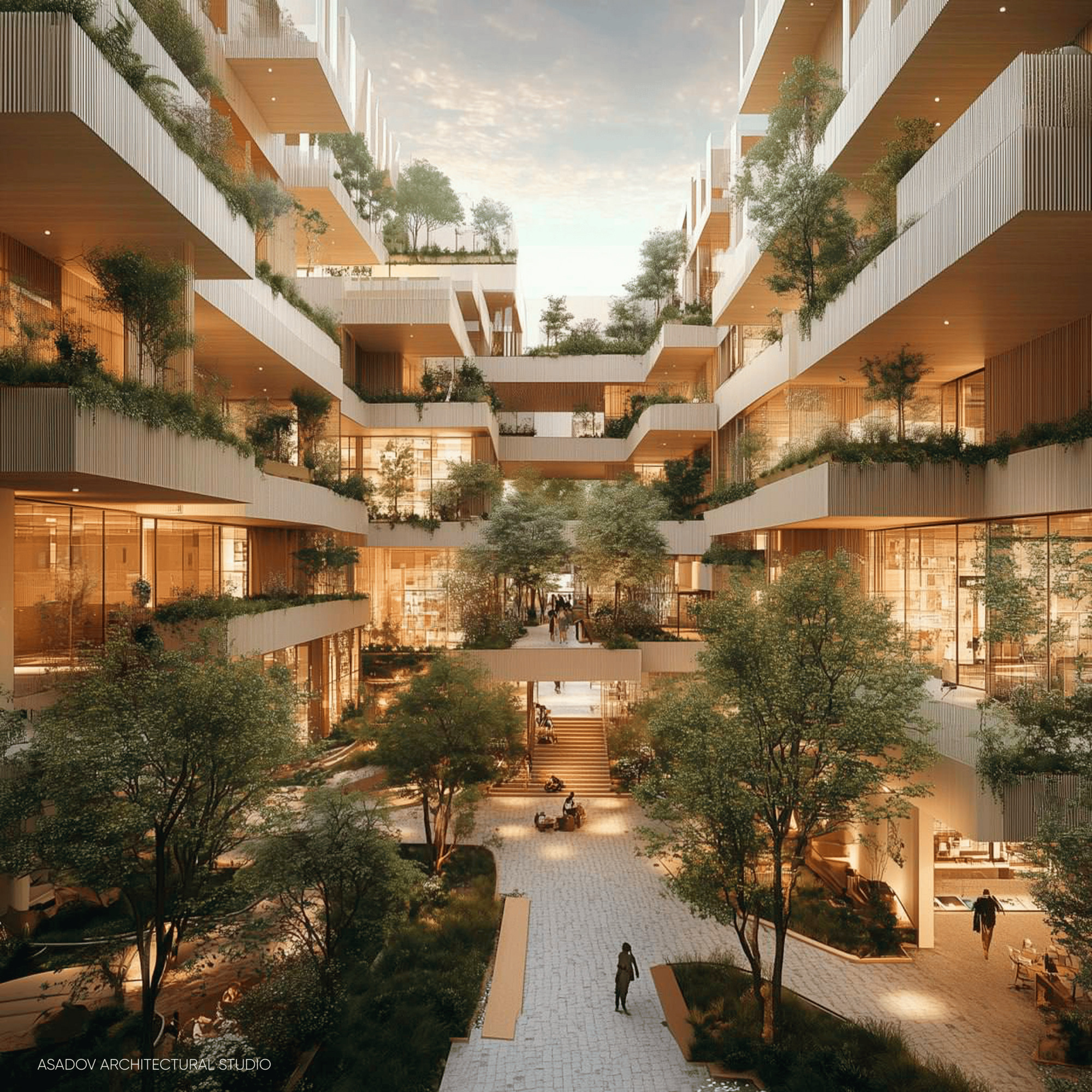
Save this picture!Dubai Mountains. Image © ASADOV StudioWritten by Nour FakharanyPublished on February 25, 2026 Share ShareFacebookTwitterMailPinterestWhatsappOrhttps://www.archdaily.com/1038998/7-unbuilt-masterplans-reimagining-urban-futures-through-ecology-and-collective-space Clipboard "COPY" CopyUrban masterplans remain an exploratory ground for unbuilt speculation, offering insight into how cities might recalibrate mobility, ecology, and collective life in response to accelerating environmental and social pressures. In this Unbuilt edition, submitted by the ArchDaily community, the selected projects bring together a range of large-scale proposals that examine urban centers, waterfront districts, infrastructural corridors, and cultural landscapes as spatial frameworks for reconnection and resilience. Rather than treating the masterplan as a rigid blueprint, these projects approach urbanism as an adaptive system shaped by climate, topography, infrastructure, and public space.Across varied geographies, from Northern European town centers and Mediterranean coastal districts to Central Asian polycentric hubs and Gulf megacities, the proposals explore diverse architectural and urban strategies. They range from park-led civic transformations built over highway tunnels to elevated pedestrian networks above active transport systems, mixed-use blocks structured by historic planning logics, marina developments integrating environmental stewardship, and research-driven models for...