A Century of Temporary Housing Experiments: Milano–Cortina and the Evolution of Olympic Villages | ArchDaily
Summary
This article examines the evolution of Olympic Villages, highlighting their transformation from functional housing to innovative urban projects, with a focus on Milano-Cortina 2026.
Why It Matters
Understanding the development of Olympic Villages sheds light on urban planning, housing solutions, and the impact of mega-events on city infrastructure. As cities face growing challenges, these experiments can inform future sustainable urban development.
Key Takeaways
- Olympic Villages have evolved from temporary housing to strategic urban projects.
- They serve as large-scale experiments in urban regeneration and housing solutions.
- The design of these villages reflects changing ideas about collective living and urban legacy.
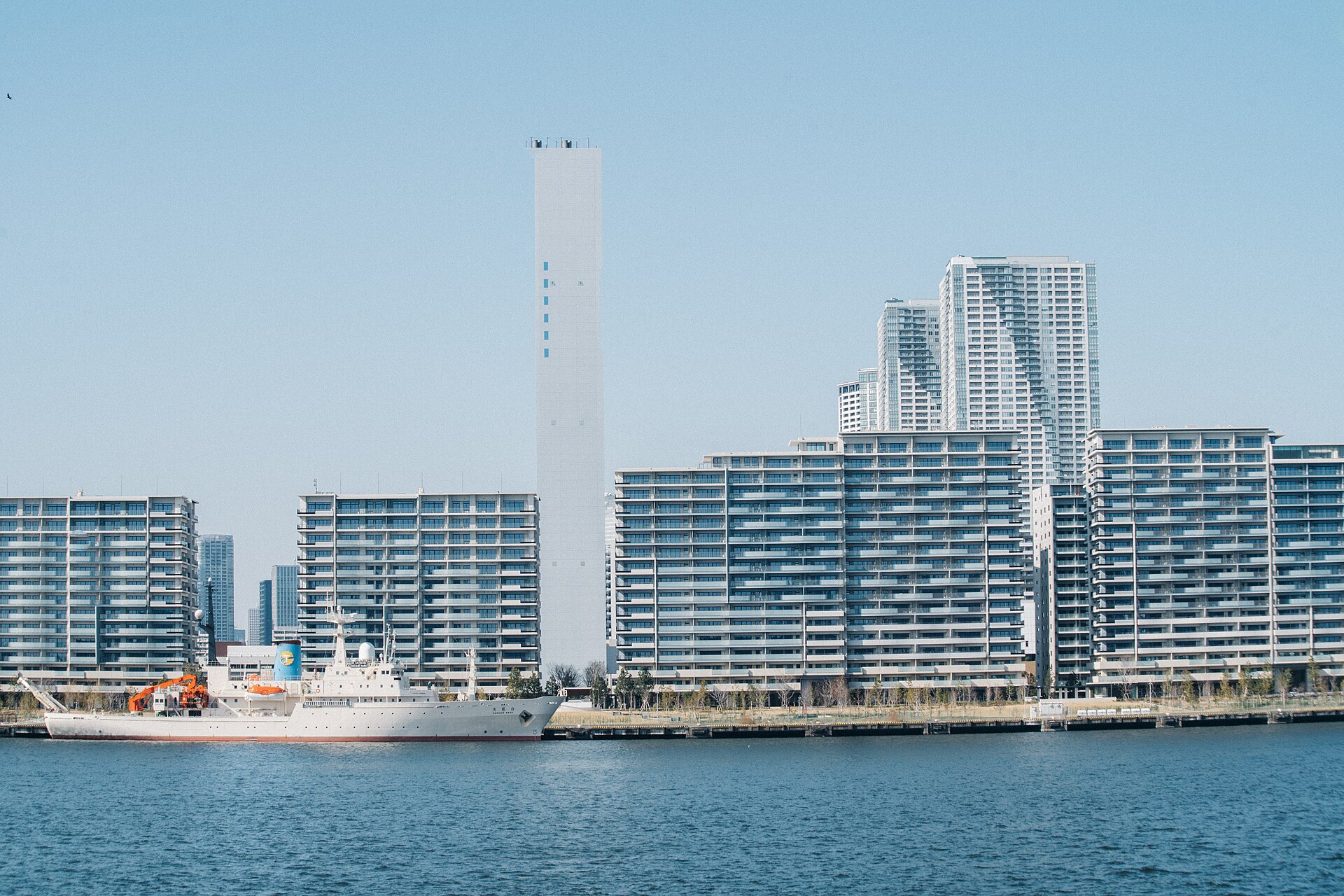
Save this picture!Tokyo 2020 Olympic Games- Athletes Village (HARUMI FLAG). Image via Wikimedia Commons CC 2.0Written by Daniela AndinoPublished on February 16, 2026 Share ShareFacebookTwitterMailPinterestWhatsappOrhttps://www.archdaily.com/1038490/a-century-of-temporary-housing-experiments-milano-cortina-and-the-evolution-of-olympic-villages Clipboard "COPY" CopyWith the Milano–Cortina 2026 Winter Olympics underway, it is worth looking back at how the Olympic Village has evolved from a purely functional solution into a strategic urban project. From improvised housing compounds to key pieces of urban regeneration, Olympic Villages have repeatedly functioned as large-scale experiments in how parts of the city can be built within a short period of time. Designed under intense time pressure and for a highly specific population, these environments reveal shifting ideas about housing, collective life, and the urban legacy of mega-events. Across different editions, the Olympic Village reflects broader ways in which events, housing, and cities intersect under conditions of urgency.+ 14


