Aqqu Central Café / AT interiors | ArchDaily
Summary
Aqqu Central Café in Almaty, Kazakhstan, is a 2025 architectural regeneration project that revitalizes a 1960s landmark, blending modern design with historical elements.
Why It Matters
This project highlights the importance of architectural preservation and cultural identity in urban settings. By restoring a historical landmark, it fosters community pride and enhances the aesthetic landscape of Almaty, showcasing how modern architecture can pay homage to the past.
Key Takeaways
- The café restores a significant cultural landmark from the 1960s.
- Design elements are inspired by a vibrant local mosaic, reflecting cultural heritage.
- The project emphasizes the blend of modern architecture with historical context.
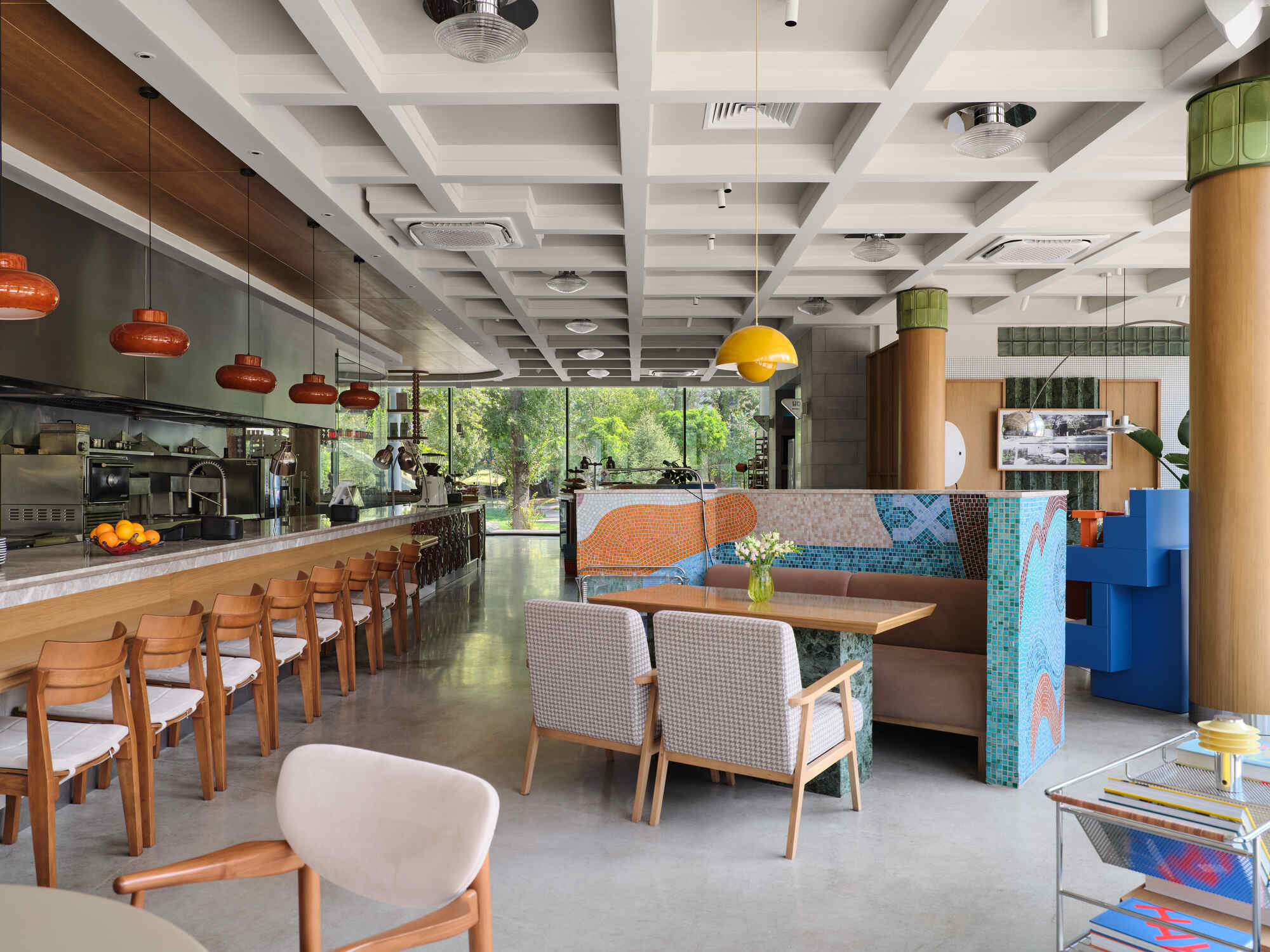
Save this picture!Courtesy of AT interiors+ 24 Curated by Miwa Negoro Share ShareFacebookTwitterMailPinterestWhatsappOrhttps://www.archdaily.com/1038940/aqqu-central-cafe-at-interiors Clipboard "COPY" CopyCoffee Shop Interiors•Almaty, Kazakhstan Architects: AT interiors Area Area of this architecture project Area: 1150 m² Year Completion year of this architecture project Year: 2025 Manufacturers Brands with products used in this architecture project Manufacturers: &Tradition, Audo Copenhagen, Flos, miniforms Lead Architects: Alyona Krasatulina Category: Coffee Shop InteriorsDesign Team: Vladislav ChurikovCity: AlmatyCountry: KazakhstanMore SpecsLess Specs Save this picture!Courtesy of AT interiors Text description provided by the architects. Aqqu Central Café is an architectural regeneration project that restores a legendary landmark of Almaty from the 1960s. The name Aqqu translates from Kazakh as White Swan, which historically refers to the pair of live swans that lived in the adjacent ponds, making this site a cultural icon for the city. The design is entirely dedicated to restoring the city's visual memory through a modern interpretation of 1960s modernism. The conceptual starting point for the project was a vibrant swan mosaic created by local artist Anastasia Zharko. Its bright palette of blue, yellow, red, and burgundy served as the foundation for every color selection throughout the interior.