Asympta / Leopold Banchini Architects | ArchDaily
Summary
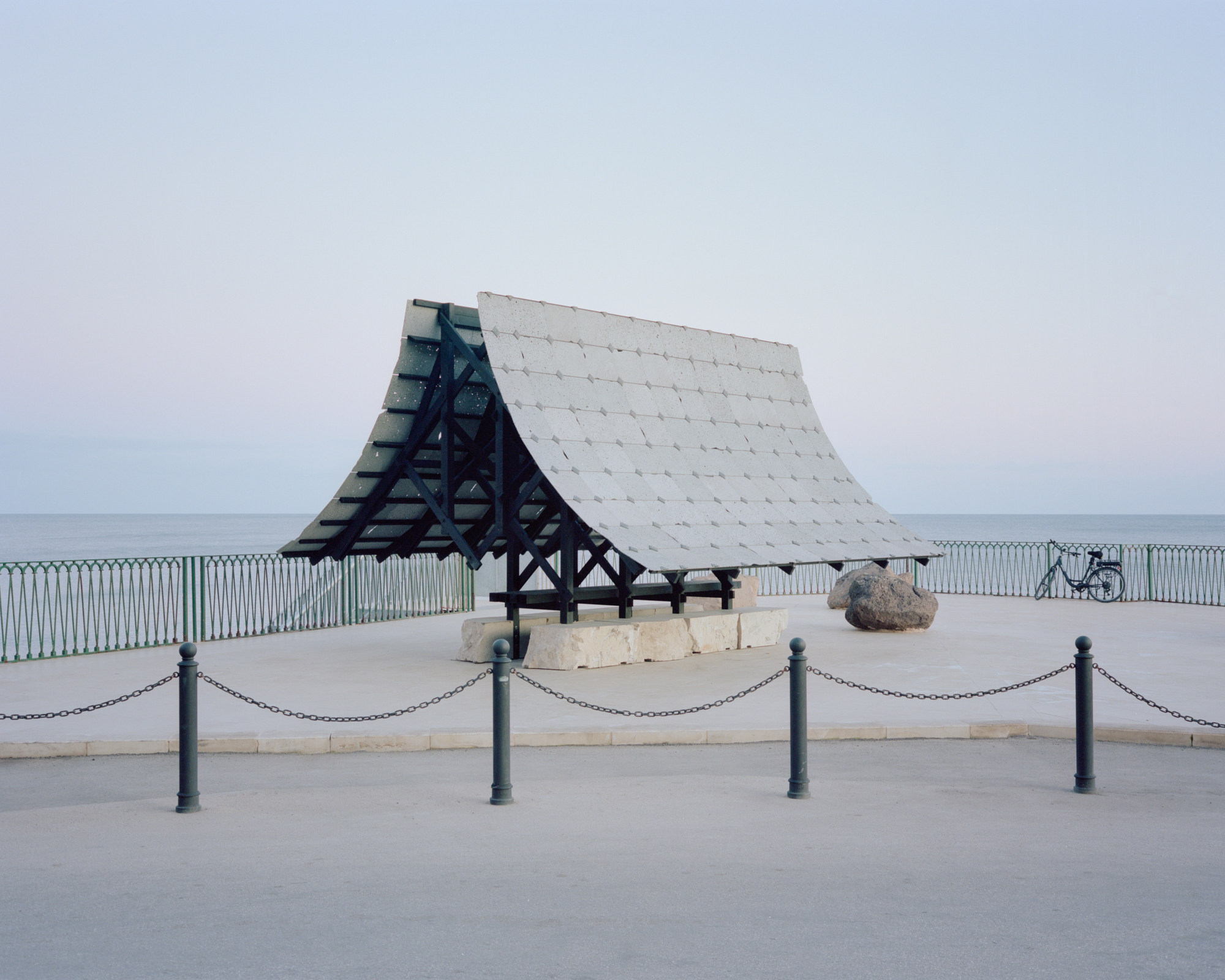
Asympta, designed by Leopold Banchini Architects, explores the historical context of architecture along the Anapo River in Italy, emphasizing light construction and organic materials.
Why It Matters
This project highlights the importance of understanding historical architectural practices and the use of local materials, which can inform sustainable building methods today. It also reflects on the cultural significance of the Pantalica site, enriching the discourse on heritage and modern architecture.
Key Takeaways
- Asympta emphasizes the use of light construction techniques.
- The project draws inspiration from historical architecture along the Anapo River.
- Local organic materials are prioritized in the design.
- The site connects modern architecture with ancient cultural practices.
- Understanding historical context can enhance contemporary architectural approaches.
Save this picture!© Simone Bossi+ 10 Curated by Hadir Al Koshta Share ShareFacebookTwitterMailPinterestWhatsappOrhttps://www.archdaily.com/1038686/asympta-leopold-banchini-architects Clipboard "COPY" CopyInstallations & Structures, Temporary Installations•Italy Architects: Leopold Banchini Architects Year Completion year of this architecture project Year: 2025 Photographs Photographs:Simone BossiCategory: Installations & Structures, Temporary InstallationsBuilt: DiSeCountry: ItalyMore SpecsLess Specs Save this picture!© Simone Bossi Text description provided by the architects. Li Le is known as one of the people who lived and buried their dead along the Anapo River. Pantalica - a complex of over 4000 thumbs carved in the rocks a millennium BC - doesn't tell us much about the way the living found shelter. Since very few traces of commoners' architecture have been found, we can only imagine that the valley's inhabitants used light construction techniques and local organic materials to build their homes.