Beit Hawa / Badie Architects | ArchDaily
Summary
Beit Hawa is a residential project in Al Abageyah, Egypt, designed by Badie Architects, emphasizing adaptive interior architecture and fluid spatial sequences.
Why It Matters
This project exemplifies a shift in architectural design towards adaptive systems that enhance the interaction between private and public spaces. It reflects contemporary trends in residential architecture that prioritize flexibility and user experience, making it relevant for architects and urban planners.
Key Takeaways
- Beit Hawa employs adaptive architecture to enhance user experience.
- The design features fluid spatial sequences that blur private and public zones.
- Layered materiality integrates light and texture, creating a cohesive aesthetic.
- Circulation is a key design element, promoting smooth transitions between functions.
- The project challenges traditional modernist typologies in residential design.
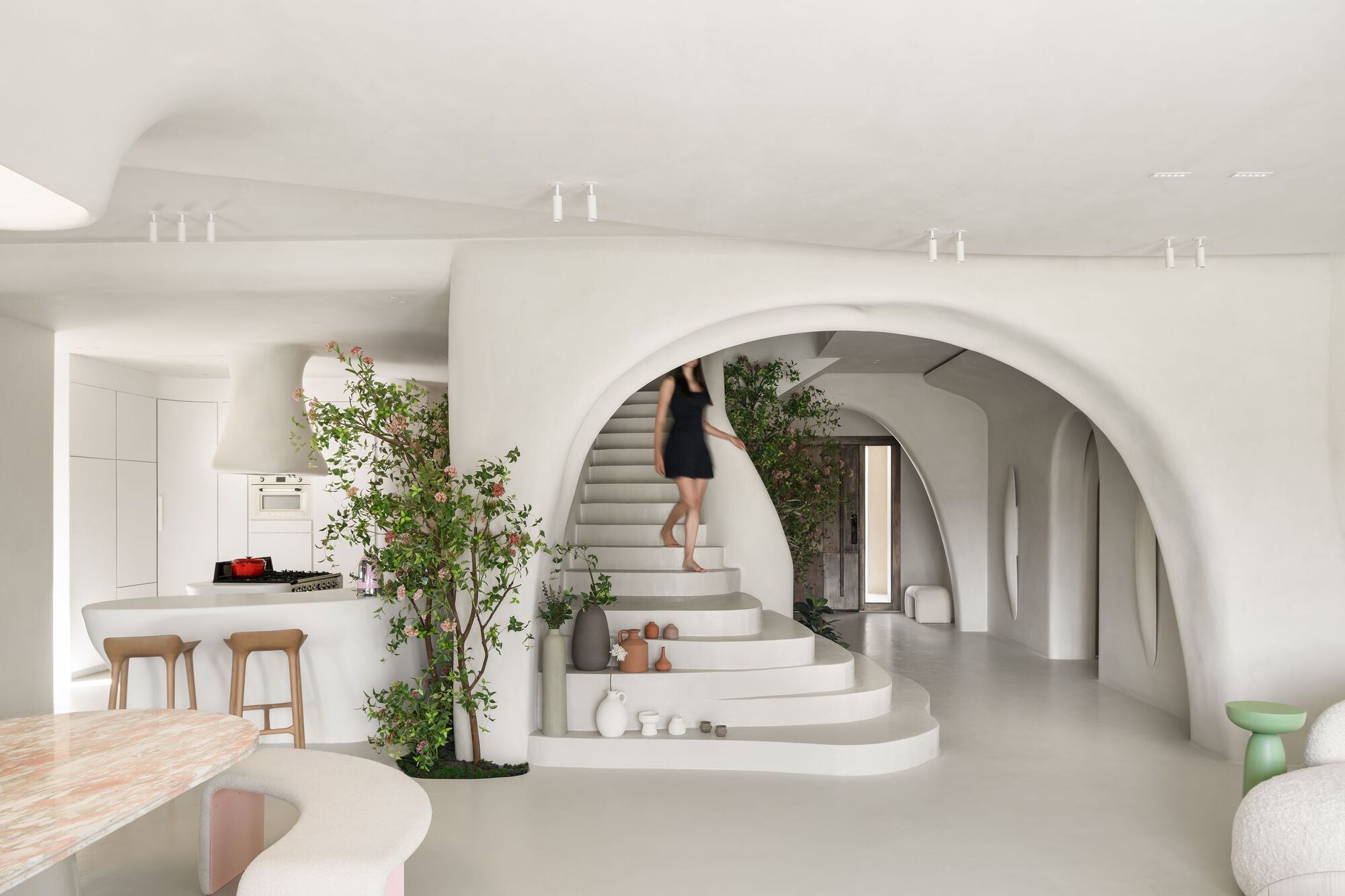
Save this picture!© Nour El Refai+ 44 Curated by Hadir Al Koshta Share ShareFacebookTwitterMailPinterestWhatsappOrhttps://www.archdaily.com/1038842/beit-hawa-badie-architects Clipboard "COPY" CopyHouses•Al Abageyah, Egypt Architects: Badie Architects Area Area of this architecture project Area: 500 m² Year Completion year of this architecture project Year: 2025 Photographs Photographs:Nour El Refai Lead Architect: Mohamed Badie Category: HousesCity: Al AbageyahCountry: EgyptMore SpecsLess Specs Save this picture!© Nour El Refai Text description provided by the architects. Beit Hawa, is a residential project in Uptown Cairo shaped by the ethos of morphosis, where the interior architecture functions as an adaptive system rather than a static arrangement. The design moves away from rigid modernist typologies, employing fluid spatial sequences that negotiate transitions between private and public zones. Surfaces and volumes are defined through layered materiality, integrating light, texture, and structural clarity into a coherent spatial syntax. Circulation operates as a generative element, creating smooth shifts that dissolve conventional boundaries between functions.