Beyond Imported Icons: Tao Ho and a Local Modernism for Hong Kong | ArchDaily
Summary
The article explores the architectural contributions of Tao Ho in Hong Kong, emphasizing his local modernism amidst a landscape dominated by international icons.
Why It Matters
This reassessment highlights the importance of local architects like Tao Ho in shaping Hong Kong's identity through architecture. It challenges the narrative that prioritizes foreign designs and underscores the significance of socially responsible architecture that resonates with the city's unique context.
Key Takeaways
- Tao Ho's work represents a vital yet understated aspect of Hong Kong's architectural heritage.
- Local architecture can embody social responsibility and civic engagement.
- The article critiques the dominance of international architects in the narrative of Hong Kong's skyline.
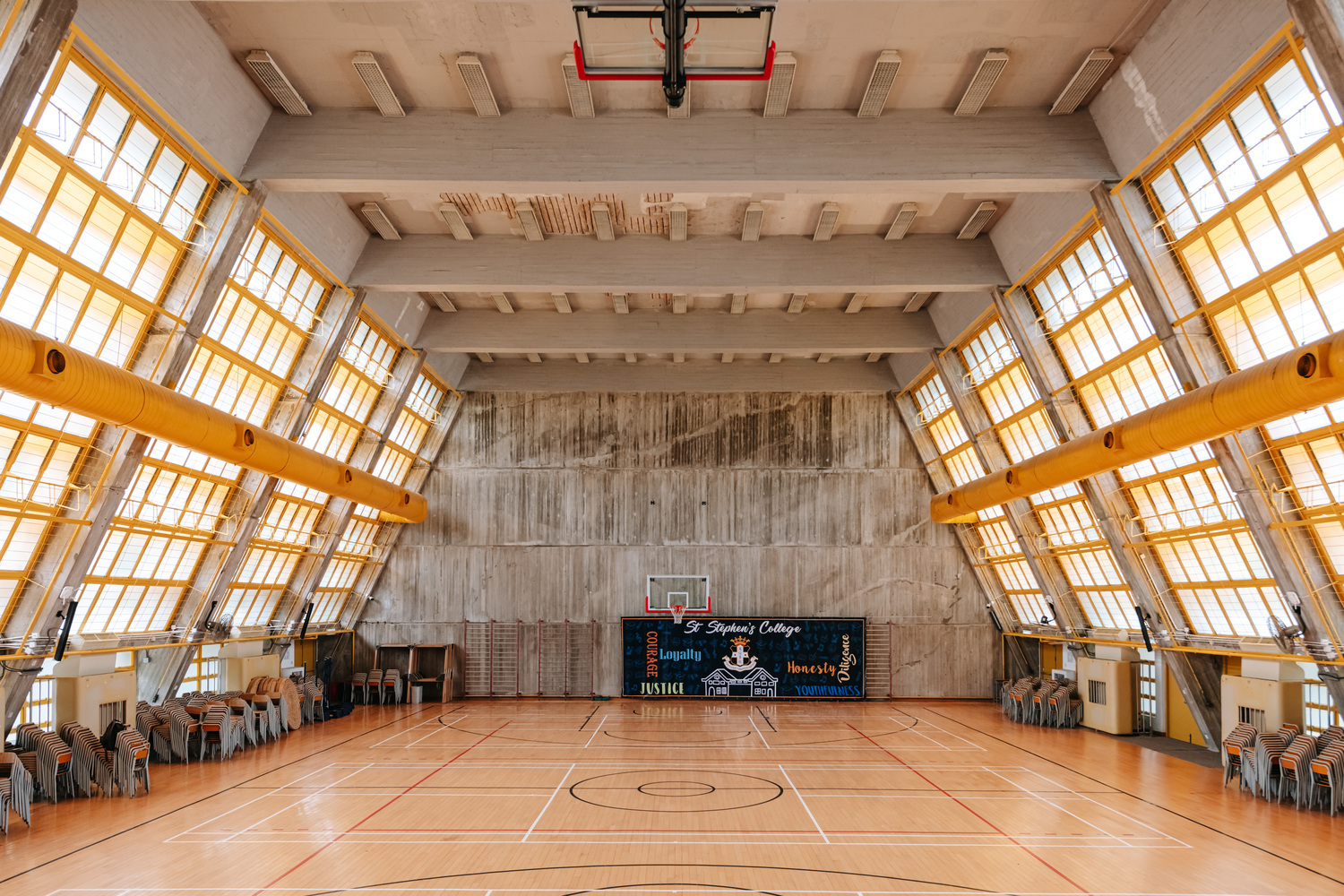
Save this picture!The Tang Shiu Kin Hall, St. Stephen’s College. Image © Kevin Mak, courtesy of Brutalism Hong Kong Research GroupWritten by Jonathan YeungPublished on February 19, 2026 Share ShareFacebookTwitterMailPinterestWhatsappOrhttps://www.archdaily.com/1038835/beyond-imported-icons-reading-hong-kong-through-tao-ho Clipboard "COPY" CopyWhen Hong Kong's architectural story is told, it is often reduced to a handful of icons. Many people most readily name I.M. Pei—Pritzker Prize laureate and architect of the Bank of China Tower in Central (1990), as well as global works such as the Le Grand Louvre in Paris and the Miho Museum in Shiga. Looking elsewhere, one also encounters a long lineage of British and international architects whose imprints have shaped the city's institutional skyline: from Ron Phillips' civic works—most notably the former Murray Building (1969), now The Murray Hotel, and Hong Kong City Hall (1962)—to Norman Foster's infrastructural and corporate monuments, including the Hongkong and Shanghai Banking Corporation (HSBC) Tower (1986) and Hong Kong International Airport (1998), and, more recently, Zaha Hadid Architects' The Henderson (2024).Yet within the same period as Pei and Foster, local architects were also producing buildings of enduring significance—works that carried the legacies of Bauhaus, but translated them into a language distinctly calibrated to Hong Kong's climate, density, and civic life. These projects may not always read as commerciall...