Beyond the Street: Climate, Commerce, and the Evolution of Hong Kong’s Elevated Networks | ArchDaily
About this article
Explore Hong Kong's elevated urbanism: a guide to second-storey living, connectivity, and public space transformation since 2012.
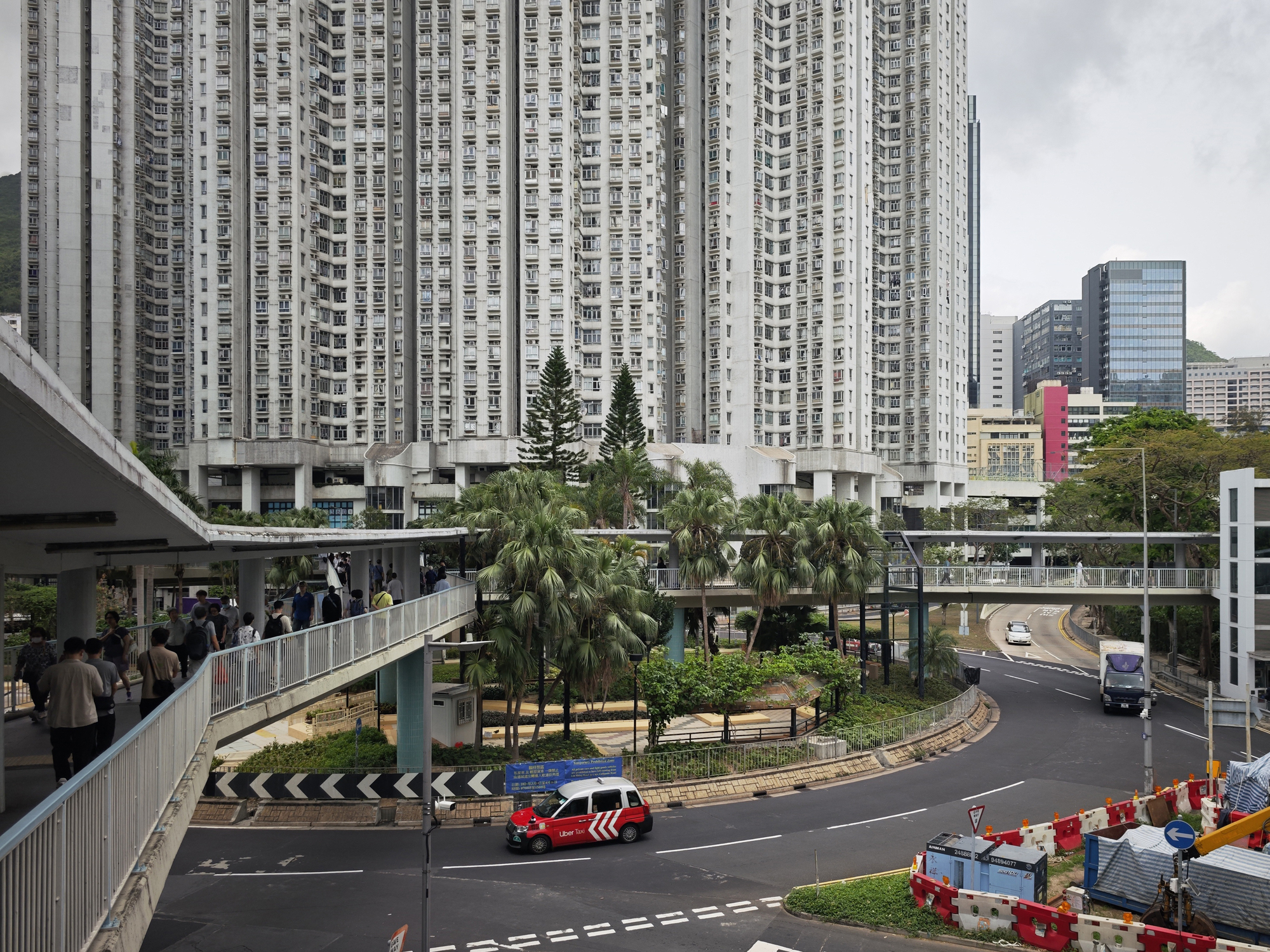
Save this picture!Footbridge network in Chai Wan, Hong Kong. Image © Jonathan YeungWritten by Jonathan YeungPublished on April 17, 2026 Share ShareFacebookTwitterMailPinterestWhatsappOrhttps://www.archdaily.com/1040682/beyond-the-street-climate-commerce-and-the-evolution-of-hong-kongs-elevated-networks Clipboard "COPY" CopyIn 2012, Cities Without Ground: A Hong Kong Guidebook offered one of the clearest documentations of a condition that many residents experience intuitively but rarely name: Hong Kong's dependence on elevated, second-storey urbanism. Through drawings and careful mapping, the book captured how the city's pedestrian networks are routinely lifted above the street—separating people from traffic, extending commercial frontage beyond ground level, and negotiating a hilly topography where "flat" circulation is often an engineered achievement. Since its publication, these systems have only grown in prominence—not only for their sheer spatial complexity, but for the way they recast public space as something continuous yet selective, connective yet curated.This fascination, however, has always carried a parallel unease. Elevated passages can be generous and effective, offering sheltered movement and reliable connectivity. Yet they also raise persistent questions: where do these routes lead, who gets to connect, and what kinds of programs are invited—or excluded—by this "privileged" level of circulation? The second-storey city does not simply bypass vehicles; it can ...