Can Shading Become Energy? From Passive Facades to Productive Envelopes | ArchDaily
Summary
The article discusses the evolution of building facades from passive structures to dynamic, energy-generating envelopes using innovative sliding photovoltaic systems.
Why It Matters
As urban environments become denser and energy demands increase, integrating renewable energy solutions into building designs is crucial. This article highlights how facades can be transformed into productive elements, enhancing energy efficiency while maintaining aesthetic integrity, which is vital for sustainable architecture.
Key Takeaways
- Facades are evolving from static structures to dynamic energy-producing systems.
- Innovative sliding photovoltaic shutters can generate energy while providing shading and aesthetic value.
- The integration of energy systems into building design enhances both functionality and visual appeal.
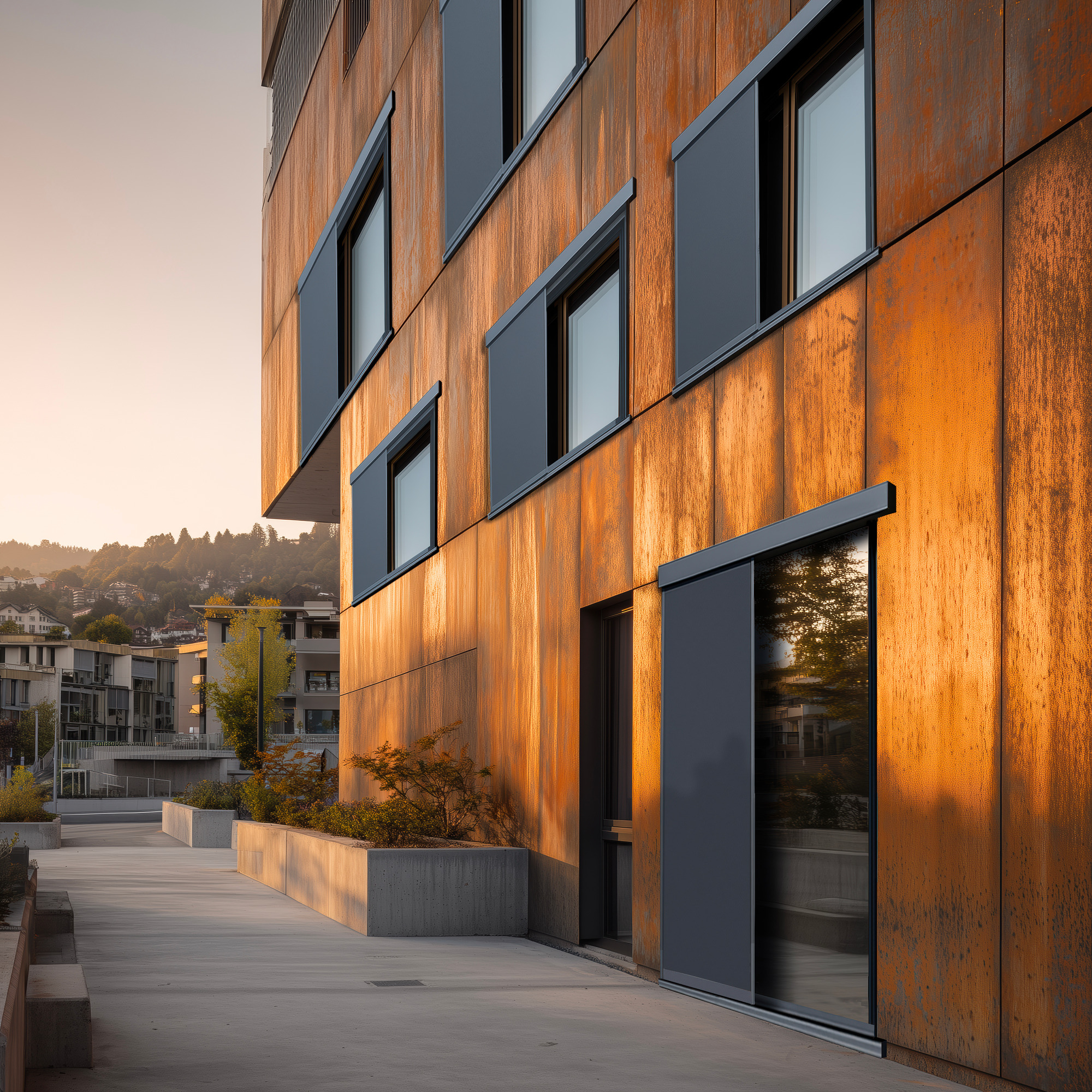
Save this picture!Courtesy of EhretWritten by Eduardo SouzaPublished on February 23, 2026 Share ShareFacebookTwitterMailPinterestWhatsappOrhttps://www.archdaily.com/1037526/can-shading-become-energy-from-passive-facades-to-productive-envelopes Clipboard "COPY" CopyAs the primary interface between interior spaces and the external environment, facades play a central role in both the performance and architectural expression of buildings. Increasingly, they are no longer seen as static envelopes, but as active mediators between climate, energy, use, and aesthetic. In dense urban contexts, however, they are also gaining relevance for another reason: while roof surfaces are often limited, fragmented, or already occupied by technical equipment, vertical envelopes remain largely underutilized in terms of energy production.Continuously exposed to solar radiation and often exceeding the area of rooftops, facades have also become a key field for building-integrated photovoltaics, integrating renewable systems without increasing envelope complexity. Such systems are evolving from strictly technical solutions toward design-driven systems that embed energy production within the constructive and compositional logic of architecture. Within this framework, colored photovoltaic shutters represent a significant step forward. By integrating solar cells into movable shading elements, systems such as SolarSlide by EHRET combine daylight control, solar protection, and energy generation within a ...