Compute Isn’t Weightless: AI Infrastructure and the Architecture of the City | ArchDaily
About this article
Discover the impact of AI on urban architecture at UABB HK 2025, questioning design authorship and cultural narratives in innovation.
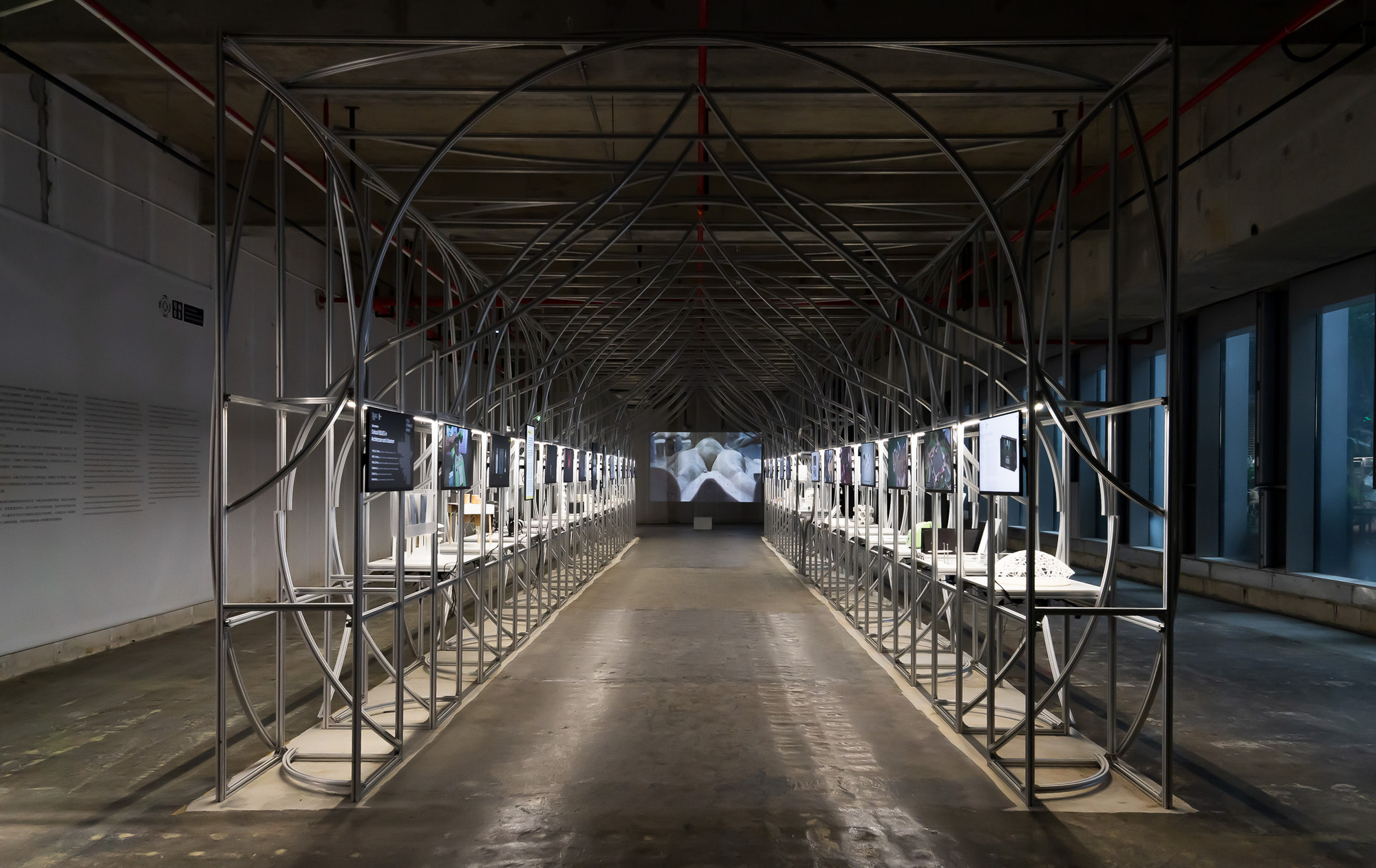
Save this picture!2025 Hong Kong–Shenzhen Bi-City Biennale of Urbanism\Architecture (Hong Kong): Techformance. Image © Jimmy Ho, Courtesy of UABB2025Written by Jonathan YeungPublished on March 05, 2026 Share ShareFacebookTwitterMailPinterestWhatsappOrhttps://www.archdaily.com/1039268/compute-isnt-weightless-ai-infrastructure-and-the-architecture-of-the-city Clipboard "COPY" CopyAs artificial intelligence continues to disrupt sectors of the economy and reshape entire industries, institutions and individuals alike are bracing—and rapidly adapting—to the changes that machines seem to hold over our heads. Yet the more precise pressure is not simply AI altering the way people work and live, but the business models and investment logics of the companies developing these systems: the concentration of capital, the new requirements for compute, the race for compartmentalized talent, and the infrastructural footprint needed to sustain it. In the Greater Bay Area—anchored by Guangzhou, Shenzhen, and Hong Kong—this dynamic is especially pronounced. Government-led initiatives are actively accelerating the industry's growth, with policy and planning mechanisms beginning to translate an ostensibly intangible field into physical form: zoning updates, earmarked land, and the emergence of AI-oriented building types, from research laboratories to large-scale data centers.+ 23 In Hong Kong, the signals are increasingly explicit. The repositioning of Cyberport toward an AI supercomputing centr...