Designing for Obsolescence in an Age of Perpetual Upgrades | ArchDaily
About this article
The relationship between architecture and technology, focusing on adaptable designs for future resilience and longevity.
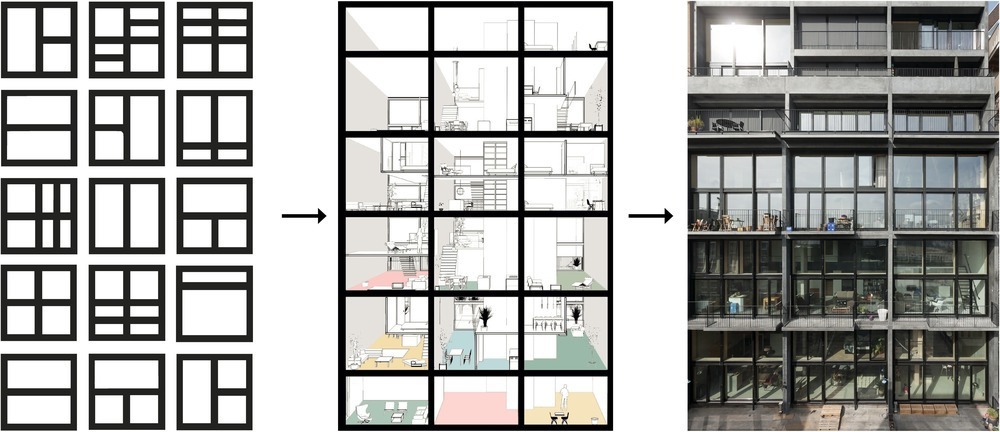
Save this picture!Superlofts / Marc Koehler ArchitectsWritten by Eduardo SouzaPublished on March 24, 2026 Share ShareFacebookTwitterMailPinterestWhatsappOrhttps://www.archdaily.com/1039883/designing-for-obsolescence-in-an-age-of-perpetual-upgrades Clipboard "COPY" CopyIn the nineteenth century, entire railway networks became obsolete almost overnight, not due to physical deterioration, but because of changes in the technical standards that supported them. The expansion of railroads across Europe and North America adopted different track gauges (the transverse distance between rails), and as a dominant standard gradually emerged, these infrastructures became incompatible with one another. This required large-scale adaptations, conversions, or even complete reconstruction, in what became known as the "Gauge War."With the mass adoption of telecommunications networks in the twentieth century, cities around the world built large telephone exchange buildings filled with electromechanical equipment responsible for routing calls between regions. These structures were highly specialized pieces of infrastructure, often occupying entire city blocks and organized around large-scale technical machinery. With the transition to digital switching technologies and, later, the widespread adoption of mobile telephony, much of this equipment became obsolete within a few decades. The buildings themselves often remained structurally sound, but the systems they were designed to support had alrea...