Dispatched: Architecture of the American Post Office and the Privatization of Civic Space | ArchDaily
Summary
The article explores the architectural significance of American post offices, highlighting their evolution from civic symbols to privatized spaces, reflecting broader societal changes.
Why It Matters
Understanding the transformation of post offices sheds light on the changing role of civic spaces in America. As these structures shift from public to private use, it raises questions about the future of community engagement and the preservation of public identity in urban landscapes.
Key Takeaways
- Post offices historically served as central civic hubs, embodying national identity.
- Recent trends show a shift towards privatization, with post offices being repurposed for commercial use.
- The decline in public investment in postal infrastructure reflects broader societal changes in civic engagement.
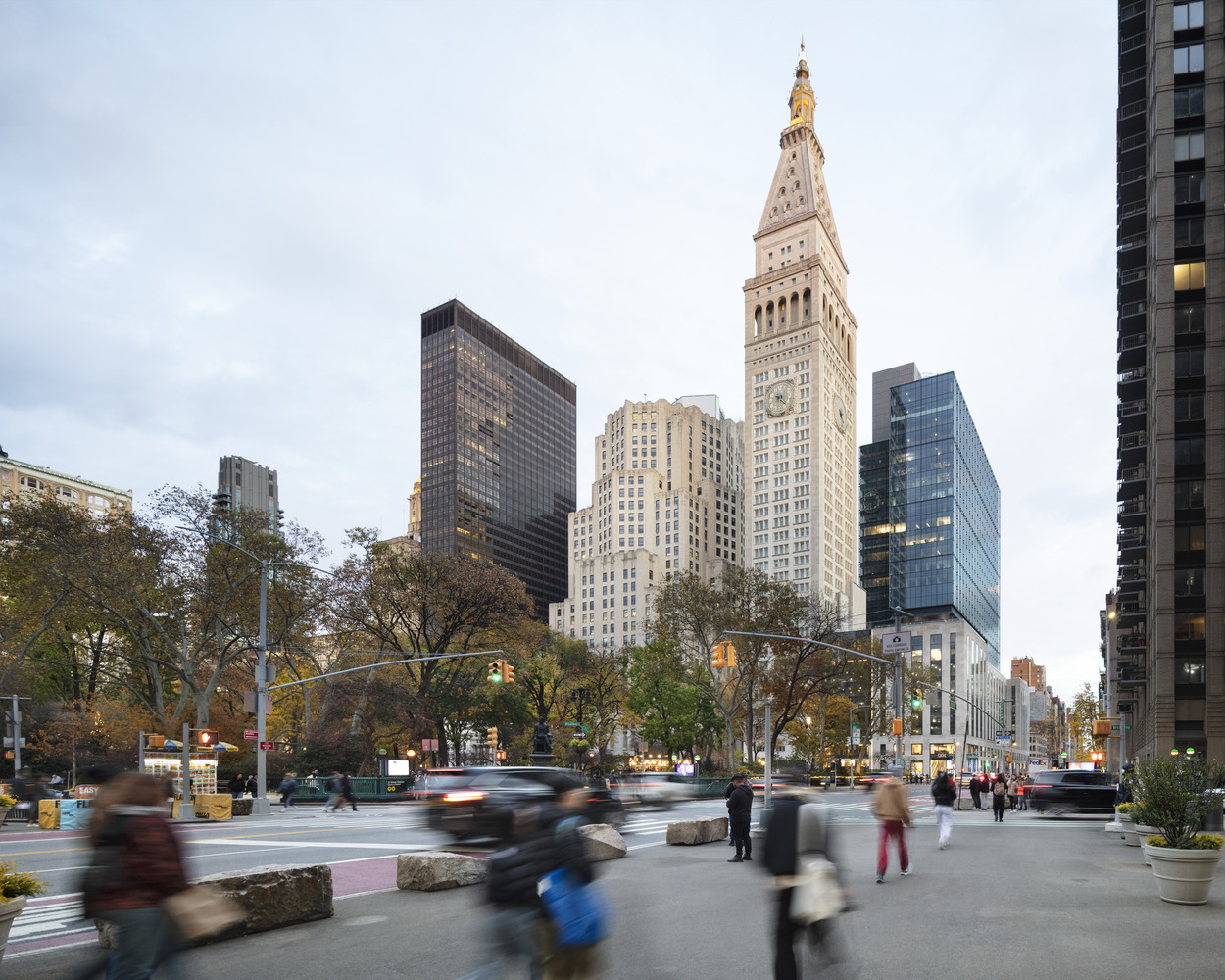
Save this picture!New York City Public Spaces. Image © Raimund KochWritten by Olivia PostonPublished on February 19, 2026 Share ShareFacebookTwitterMailPinterestWhatsappOrhttps://www.archdaily.com/1035354/dispatched-architecture-of-the-american-post-office-and-the-privatization-of-civic-space Clipboard "COPY" CopyPost offices stand among the most enduring monuments of civic life in the United States. Across towns and city centers, they carry the shifting architectural ambitions of the nineteenth and twentieth centuries, from Greek Revival formality to Beaux-Arts monumentality and Art Deco ornament. Architects and federal planners would give these buildings a clear public role and a powerful physical presence. Stone façades, monumental halls, and crafted interiors projected stability, trust, and permanence. The post office placed the federal government directly into the everyday landscape of American life.+ 10 In the 21st century, postal infrastructure has become increasingly essential to everyday life and routine. The contemporary economy runs on logistics, e-commerce, and the constant circulation of goods, and the postal system remains one of the few networks that reaches every community. Americans depend on it, whether through deliveries, documentation, or the daily movement of commodities. Yet there is a clear shift in architectural priorities as public investment does not match this growing dependence on postal networks. The buildings that once embodied civic centralit...