Ekadea Studio / AACM - Atelier Architettura Chinello Morandi | ArchDaily
Summary
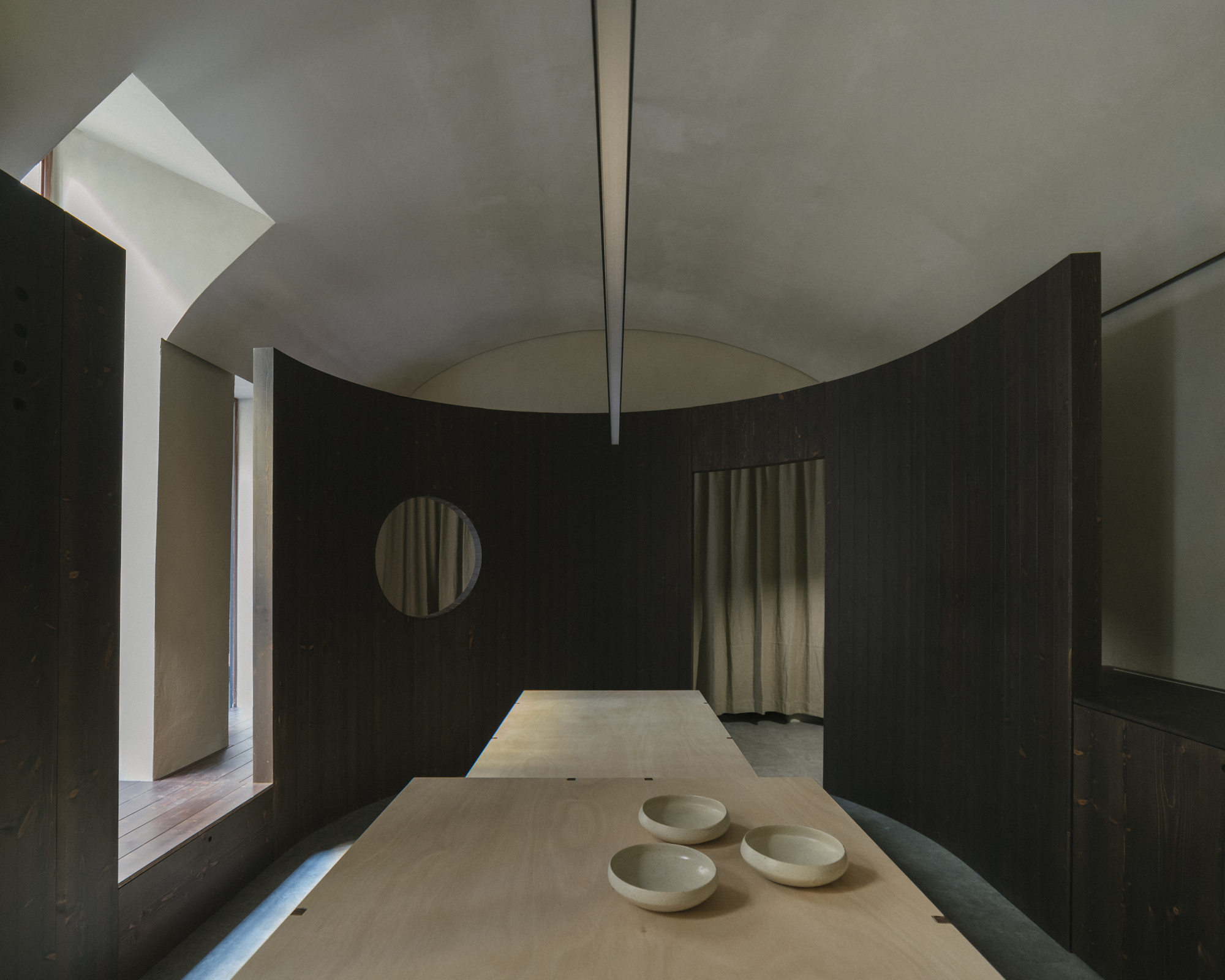
Ekadea Studio, a ceramic workshop in Milan, features a unique design with curved walls that define spaces and enhance user experience, completed in 2025.
Why It Matters
This article highlights innovative architectural design in commercial spaces, showcasing how form and function can coexist. The project reflects contemporary trends in cultural architecture, emphasizing the importance of user experience and aesthetic appeal in workspace design.
Key Takeaways
- Ekadea Studio's design emphasizes user experience through its enveloping form.
- Curved walls create distinct functional areas while maintaining a cohesive aesthetic.
- The project integrates various materials and techniques, showcasing modern architectural practices.
Save this picture!© AACM - Atelier Architettura Chinello Morandi+ 19 Curated by Hadir Al Koshta Share ShareFacebookTwitterMailPinterestWhatsappOrhttps://www.archdaily.com/1038747/ekadea-studio-aacm-atelier-architettura-chinello-morandi Clipboard "COPY" CopyCultural Architecture, Offices, Commercial Architecture•Milan, Italy Architects: AACM - Atelier Architettura Chinello Morandi Area Area of this architecture project Area: 50 m² Year Completion year of this architecture project Year: 2025 Photographs Photographs:AACM - Atelier Architettura Chinello Morandi Manufacturers Brands with products used in this architecture project Manufacturers: Effeerre, Effeerre, GoBuild , Teacood, Teacood Wall finishes: Paint up Category: Cultural Architecture, Offices, Commercial ArchitectureWood Work: Bottega dell’arte SncFlooring: GoBuildPlaster: EffeerreTextile: Paint upDrawings: AACMModel: Mattia PordenonCity: MilanCountry: ItalyMore SpecsLess Specs Save this picture!© AACM - Atelier Architettura Chinello Morandi Text description provided by the architects. Ekadea Studio is a ceramic workshop shaped to envelop: its form is born in shadow and accompanies those who cross its threshold. Curved walls rise from the base and define functions, paths, and boundaries. A wooden structure, perforated to frame glimpses or solid to accommodate residual spaces, establishes a rhythm of thresholds and shelter.