Emerging trends in robotics and AI for high-risk industries: Construction, oil and gas, and mining
About this article
Robotics, AI, and IoT wearables are transforming safety in construction, oil and gas, and mining – enabling real-time monitoring, faster response, and measurable risk reduction.
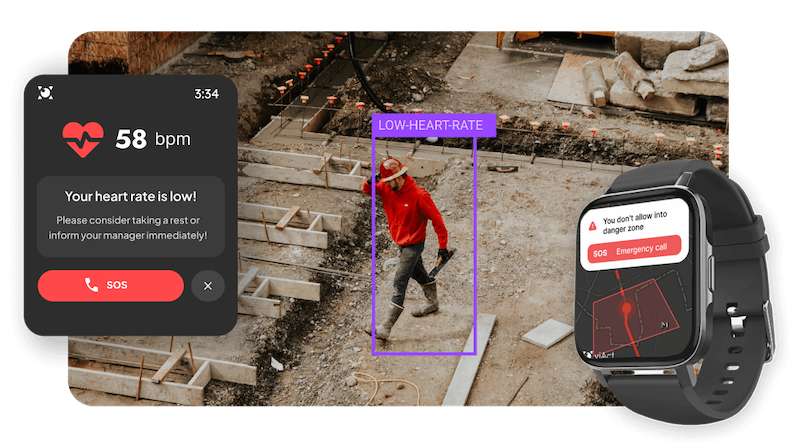
By Gary Ng, CEO and co-founder of viAct There is a major shift occurring at some of the most hazardous workplaces on the planet: oil refineries, large construction projects, and underground mines, as new and improving technologies are being used for the initial line of defence. Technologies, like Artificial Intelligence (AI), robotics, and IoT wearables, especially smartwatches, have replaced the hard hat and safety supervisor as the last line of defence against workplace hazards by providing a first layer of protection against them. Over the past few years, world has witnessed a rapid increase in both quantity and variety of robotic and automated systems being deployed to monitor, detect, and respond to workplace hazards in real-time, and there has probably never been a more opportune time for these technologies to evolve from being part of pilot programmes to permanent fixtures of the industrial workplace. Autonomous robotics and smartwatches: The new safety stack For years, manual inspection, periodic audits and stretched-thin human supervisors have provided the basis for establishing safety in high-risk industries. Pressurised pipelines managed by oil and gas facilities, construction sites with thousands of workers routinely exposed to extreme heat, and mining operations conducting blasting and excavating operations underground all share one vulnerability in common: the gap between when a hazard occurs and when a human identifies it. Two converging technologies are red...