Entremontes House / Harpa Arquitetura | ArchDaily
Summary
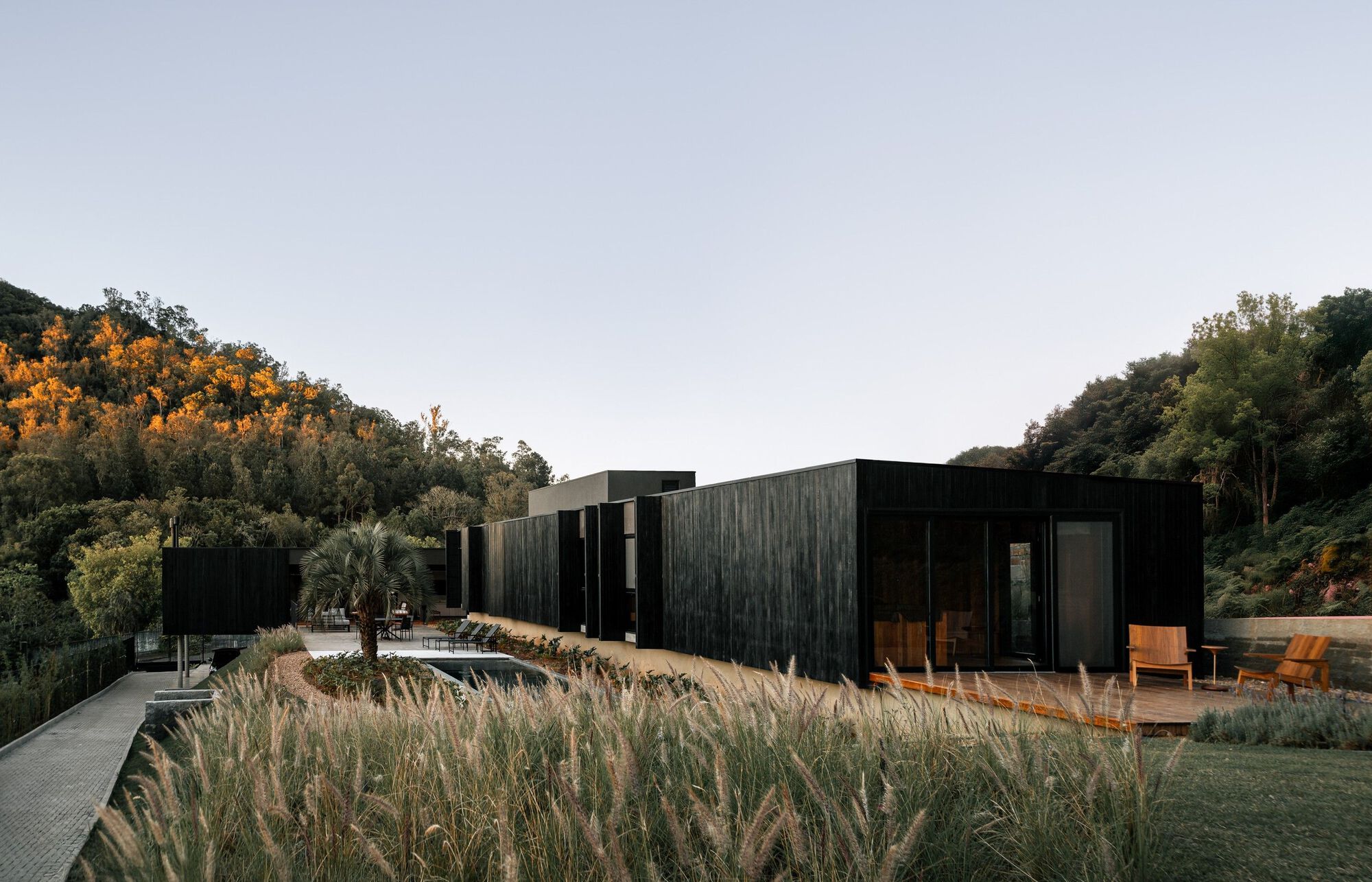
Entremontes House, designed by Harpa Arquitetura, is a single-family residence in Montenegro, Brazil, harmonizing urban infrastructure with natural landscapes.
Why It Matters
This project exemplifies innovative architectural design that balances urban living with nature, highlighting the importance of sustainable practices in residential architecture. It serves as a case study for architects and urban planners interested in integrating natural elements into urban environments.
Key Takeaways
- Entremontes House is situated between two hills, enhancing its unique urban context.
- The design emphasizes the coexistence of urban infrastructure and natural landscapes.
- Harpa Arquitetura's approach showcases innovative residential architecture.
- The project spans a significant area of 5,000 m², allowing for expansive design possibilities.
- The integration of local materials and manufacturers reflects a commitment to sustainability.
Save this picture!© Gabriel Konrath+ 39 Curated by Susanna Moreira Share ShareFacebookTwitterMailPinterestWhatsappOrhttps://www.archdaily.com/1038590/entremontes-house-harpa-arquitetura Clipboard "COPY" CopyHouses•Montenegro, Brazil Architects: Harpa Arquitetura Area Area of this architecture project Area: 390 m² Year Completion year of this architecture project Year: 2025 Manufacturers Brands with products used in this architecture project Manufacturers: Castellar Lareiras, ComSteel, Móveis Design, Painel Fidelidade Marmoraria, Stella Iluminação Lead Architect: Júlia Hamann Category: HousesArchitecture And Interior Project: Pedro Pupe, Aline ZanchetCivil Works: Felipe JacobsenConstruction: ComSteelCity: MontenegroCountry: BrazilMore SpecsLess Specs Save this picture!© Gabriel Konrath Text description provided by the architects. Entremontes House is a single-family residence located on a rare urban site between two hills that shape the skyline of Montenegro, in southern Brazil. Set on a 5,000 m² plot, the project embraces a unique condition where urban infrastructure coexists with natural landscapes. Designed by Harpa Arquitetura, the house explores this duality by carefully mediating the relationship between city and nature.