Exeter Road Pavilion / Neiheiser Argyros | ArchDaily
Summary
The Exeter Road Pavilion, completed in 2025, is an adaptive reuse project in London that transforms a Victorian garden outbuilding into a multifunctional space for an art collector.
Why It Matters
This project exemplifies innovative architectural practices in adaptive reuse, highlighting sustainability and functionality. It serves as a case study for integrating modern needs within historical structures, promoting environmentally conscious design in urban settings.
Key Takeaways
- The pavilion showcases adaptive reuse of historical architecture.
- Designed for multifunctionality, it accommodates storage and social gatherings.
- The project emphasizes the importance of integrating modern needs with historical context.
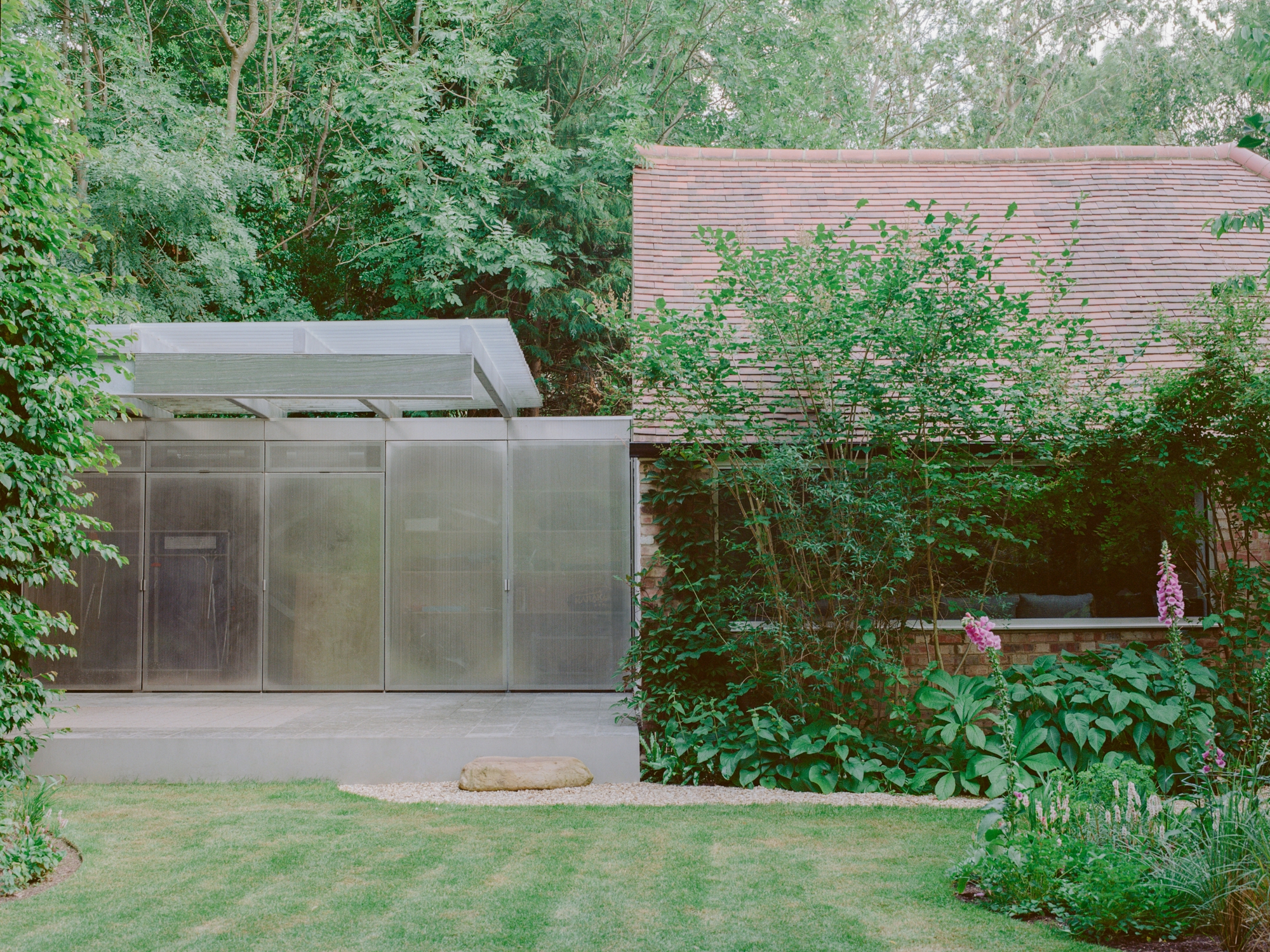
Save this picture!© Lorenzo Zandri+ 11 Curated by Hadir Al Koshta Share ShareFacebookTwitterMailPinterestWhatsappOrhttps://www.archdaily.com/1038498/exeter-road-pavilion-neiheiser-argyros Clipboard "COPY" CopyResidential Architecture•London, United Kingdom Architects: Neiheiser Argyros Area Area of this architecture project Area: 90 m² Year Completion year of this architecture project Year: 2025 Photographs Photographs:Lorenzo ZandriCategory: Residential ArchitectureLead Team: Ryan Neiheiser, Xristina ArgyrosDesign Team: Nikolas von Schwabe, George Foufas, Stelios GatsinosGeneral Contractor: Haydon FinchEngineering & Consulting > Structural: ConstantCity: LondonCountry: United KingdomDid you collaborate on this project?More SpecsLess Specs Save this picture!© Lorenzo Zandri Text description provided by the architects. The Exeter Road Pavilion is an adaptive reuse of a modest Victorian garden outbuilding in northwest London, redesigned for an art collector and amateur DJ who wanted a place equally suited to storing books, records, and artworks as to hosting garden gatherings, workouts, and the occasional ping-pong match. Our brief was twofold: create an interior cabinet for storage and an exterior canopy for shelter. From the outset, we saw these as a single architectural problem rather than two separate tasks.