Gable Vents with Insulated Roof deck in Old House - GreenBuildingAdvisor
Summary
This article discusses the considerations for insulating a gable roof in a 200-year-old house, focusing on the debate between vented and unvented attic spaces.
Why It Matters
Understanding the implications of roof insulation methods is crucial for energy efficiency and building longevity. This article addresses common misconceptions and provides insights into best practices for maintaining a healthy attic environment, which is particularly relevant for homeowners in older properties.
Key Takeaways
- Insulating at the roof plane typically requires sealing off attic vents.
- Thermal bridging can occur when insulation is not applied continuously.
- Proper ventilation is essential for maintaining roof integrity and energy efficiency.
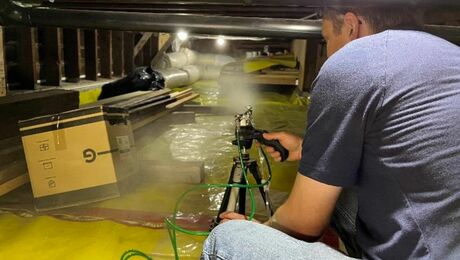
Gable Vents with Insulated Roof deck in Old House woodstove_452 | Posted in Energy Efficiency and Durability on February 28, 2026 02:14pm Hi, We have a 200 year old house in upstate new york that is 1400 sq ft between 2 floors, with a simple gable roof. We are redoing the roof, and have gotten quotes from two companies. We are thinking through the pros and cons of insulating at the attic plane vs insulating at the roof plane (vented vs unvented attic). We think we want to insulate the roof deck and have the attic be conditioned so that when we run line sets for mini splits in the attic, they will stay at a good temperature, and remain serviceable i.e. we don’t want to have buried ducts. One of the guys who came to quote the roof said that the roof needs “to breathe” and that he doesn’t recommend insulating the roof at all. The other guy is pushing us to insulate at the roof plane. He wants to basically put new roof rafters 24″ OC and cut pieces of 4″ foam to fit between the new rafters, tape these seams, then nail on a layer of plywood, and do a standing seam roof on top of that. Between the plywood and metal roof he said they would put a waterproof membrane. I am leaning towards this plan, but two things give me pause. One, the way that the foam is installed between framing, rather than continuously on the outside, means that there will be some thermal bridging between the attic and outside of the roof. Second, he is saying that we wants to keep using two gable vents t...


