Ger Plug-In 3.0 / District Development Unit | ArchDaily
Summary
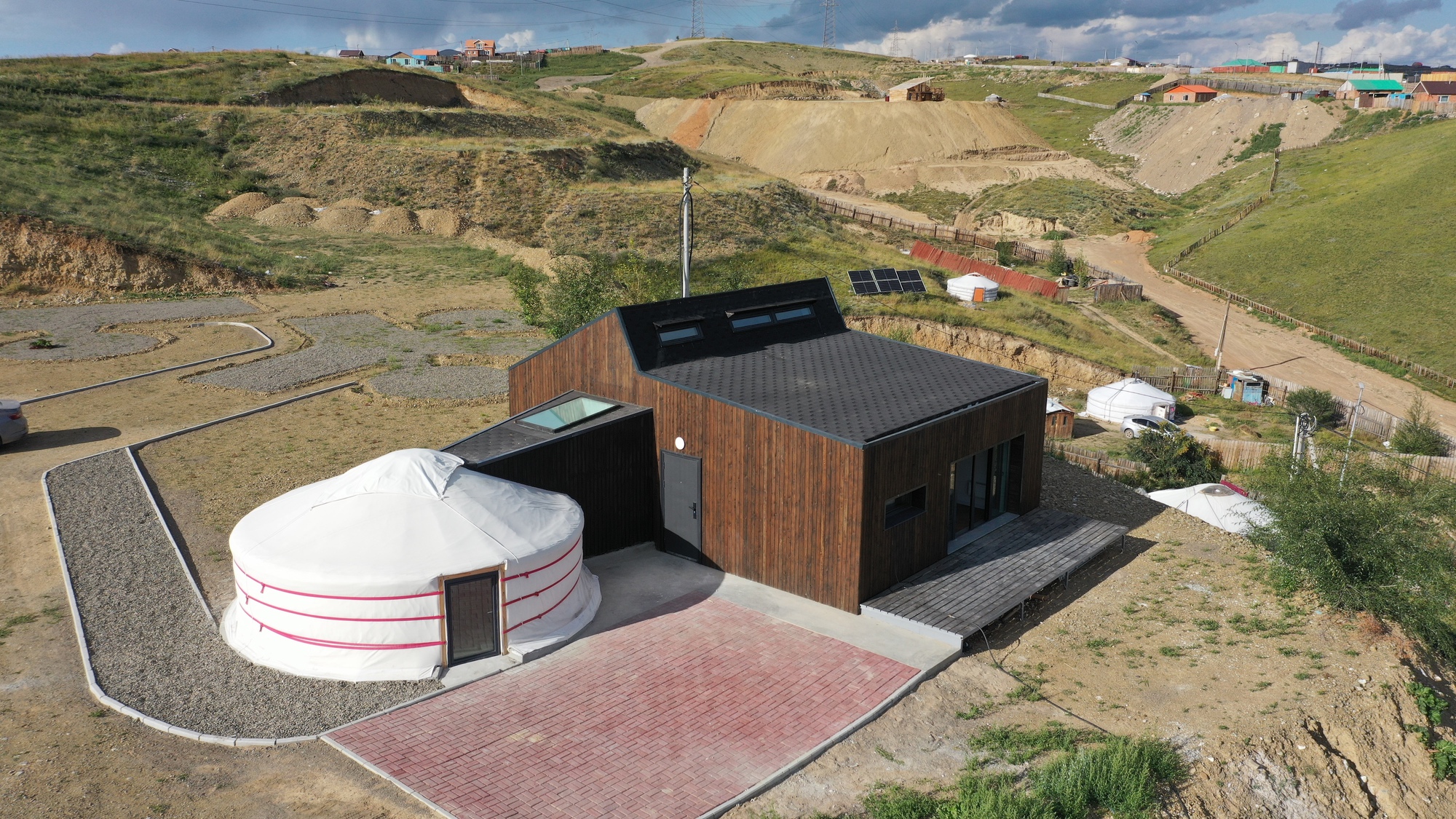
The Ger Plug-In project in Ulaanbaatar, Mongolia, addresses the urgent need for sustainable housing solutions in the city's ger districts, home to over 840,000 residents facing severe environmental and health challenges.
Why It Matters
This project highlights the intersection of architecture, sustainability, and community health in urban settings. With a significant portion of Ulaanbaatar's population living in inadequate conditions, innovative housing solutions like the Ger Plug-In are crucial for improving living standards and reducing environmental impact.
Key Takeaways
- The Ger Plug-In project aims to provide sustainable housing in Ulaanbaatar's ger districts.
- Over 840,000 residents face severe health and environmental challenges due to inadequate infrastructure.
- The project emphasizes energy efficiency and community involvement in its design and implementation.
Save this picture!Courtesy of District Development Unit+ 15 Curated by Miwa Negoro Share ShareFacebookTwitterMailPinterestWhatsappOrhttps://www.archdaily.com/1038838/ger-plug-in-district-development-unit Clipboard "COPY" CopyHouses•Ulaanbaatar, Mongolia Architects: District Development Unit Area Area of this architecture project Area: 100 m² Year Completion year of this architecture project Year: 2023 Lead Architects: Joshau Bolchover (Director), Jersey Poon (Project Lead) Category: HousesProject Team: Minjmaa EnkhbatImplementation Partner: Energy Efficient Design Build LLC (Dulguun Batkhishig and Erdembileg Nemekhbaatar)Community Partner: Gerhub NGO (Uurtsaikh Sangi, Temuulen Enkhbat)City: UlaanbaatarCountry: MongoliaMore SpecsLess Specs Save this picture!Courtesy of District Development Unit Text description provided by the architects. Over 840,000 people live in the ger districts of Ulaanbaatar, Mongolia, sprawling districts of gers (traditional felt tents) and self-built houses. Most households use an average of 4.1 tons of coal or coke briquettes for heating each winter as temperatures drop below -30°C. There is no sewage or sanitation infrastructure: 95% of residents use pit latrines, 1% have access to piped water, and air pollution is extremely debilitating to health.