Heritage in Motion: Bangkok’s Buildings That Continue to Become | ArchDaily
About this article
Discover how adaptive reuse transforms Bangkok's architectural heritage, blending art, culture, and history into evolving urban experiences.
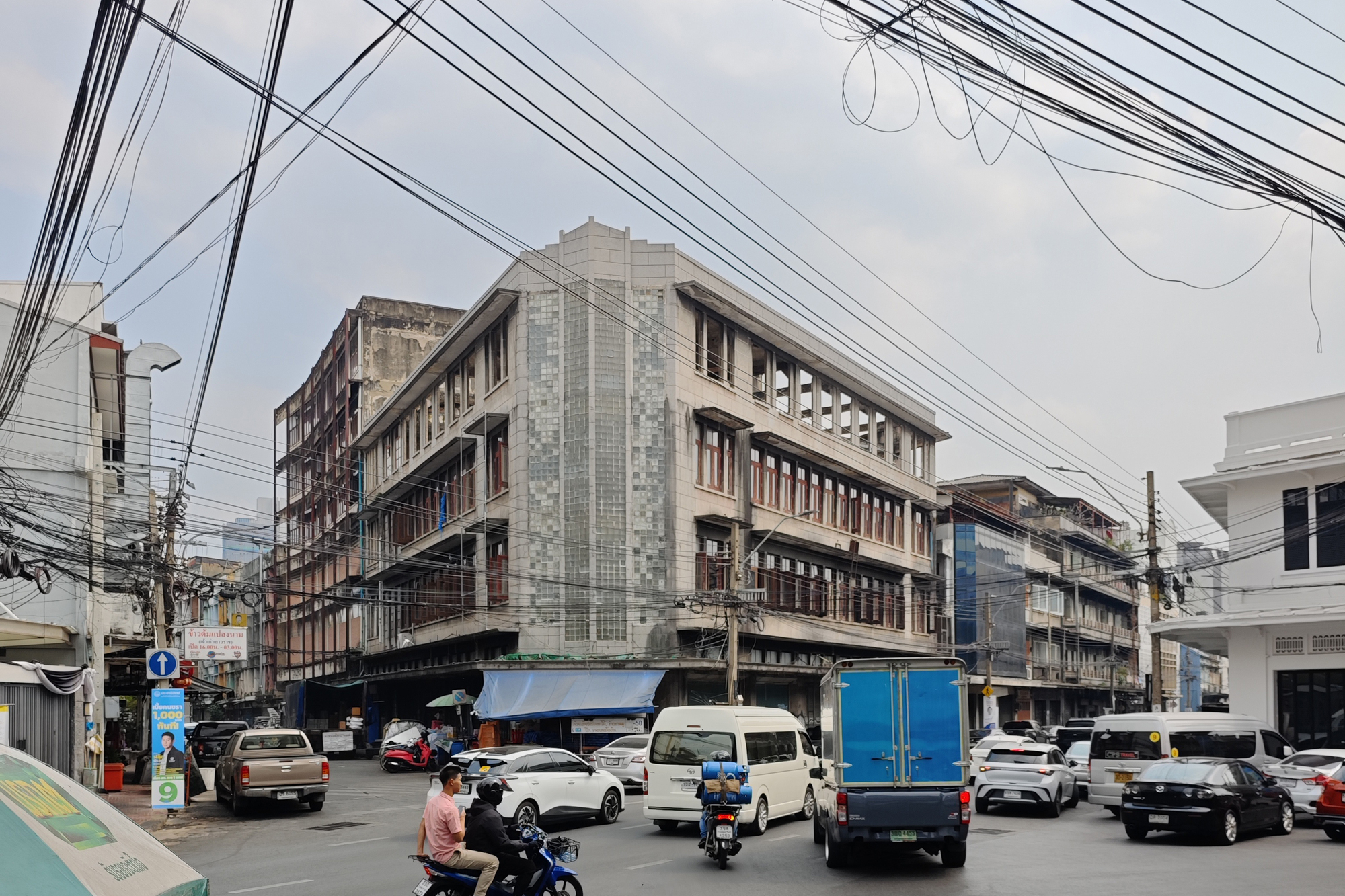
Save this picture!Bangkok Kunsthalle. Image © Jonathan YeungWritten by Jonathan YeungPublished on February 15, 2026 Share ShareFacebookTwitterMailPinterestWhatsappOrhttps://www.archdaily.com/1038668/heritage-in-motion-bangkoks-buildings-that-continue-to-become Clipboard "COPY" CopyArchitectural heritage is not only what a building was, but what it continues to become: a long process of building, rebuilding, and re-occupying over time. Where opportunities allow, this continuity produces a layered condition—one in which visitors can witness, experience, and feel the gradual shifting of a building's fabric, materiality, spatial order, and patterns of use, and occasionally even participate in that transformation.Yet many projects—particularly those driven primarily by commercial imperatives—do not choose to value, or even to recognize, this slower work of adaptive reuse and heritage continuation. Developments governed by a numbers-only logic often opt for the easier path of demolition and rebuild: maximizing plot ratio, GFA, and rentable area with the efficiency of a clean slate. And still, every now and then, an opportunity surfaces that allows us to see—and to enjoy—the city's process of architectural "heritaging" in real time.+ 17 Adaptive reuse is perhaps more widely publicized in Europe, but across Asia, there are also numerous deliberate examples that preserve heritage fabric and extend its dialogue through carefully staged transformations. Particularly noteworthy are mu...
