Heritage Without Permanence: When Architecture Endures by Disappearing | ArchDaily
Summary
The article explores how ephemeral architecture, such as pavilions and ritual structures, challenges traditional notions of heritage by emphasizing cultural significance over permanence.
Why It Matters
This discussion is crucial as it shifts the focus from static monuments to dynamic cultural practices, highlighting how temporary structures can foster community engagement and cultural memory. It reflects evolving perspectives on heritage preservation in a globalized world.
Key Takeaways
- Ephemeral architecture can create lasting cultural significance despite its temporary nature.
- Heritage is increasingly recognized as encompassing rituals and events, not just physical structures.
- Temporary projects can have a profound impact on urban identity and community engagement.
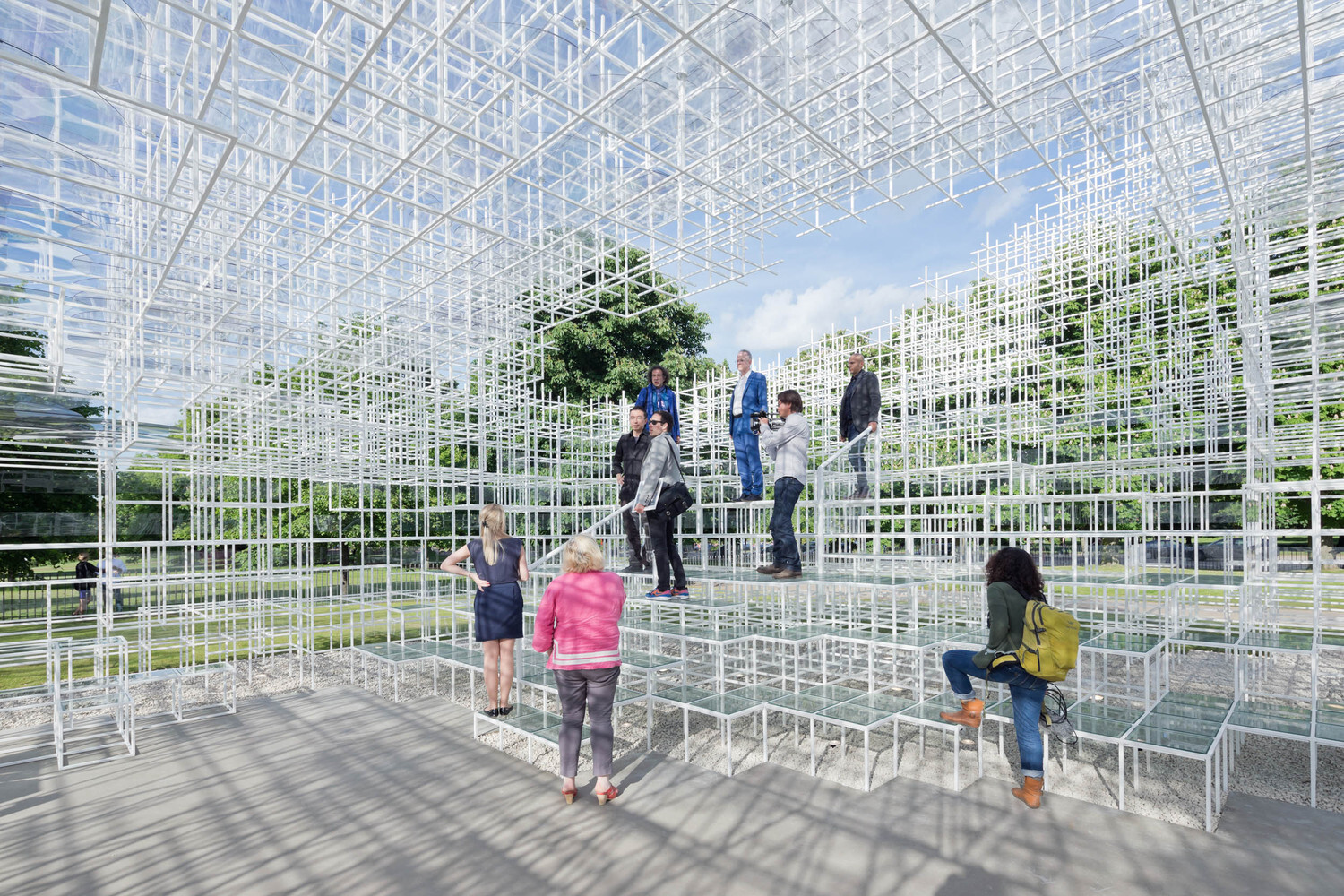
Save this picture!Serpentine Pavillion 2013/ Suo Fujimoto. Image © Iwan BaanWritten by Ananya NayakPublished on February 20, 2026 Share ShareFacebookTwitterMailPinterestWhatsappOrhttps://www.archdaily.com/1038832/heritage-without-permanence-when-architecture-endures-by-disappearing Clipboard "COPY" CopyA Gothic cathedral can take centuries to complete. A world exposition pavilion may stand for six months. A ritual structure in Kolkata rises and vanishes within five days. Yet each draws pilgrimage, shapes collective memory, and reorganizes urban life. If heritage has long been defined by what endures, architecture repeatedly shows that cultural authority can also belong to what gathers people.For much of the twentieth century, conservation frameworks privileged permanence. The Venice Charter, adopted by the International Council on Monuments and Sites, focused on safeguarding monuments and their material authenticity. Cultural value was tied to physical fabric such as stone, brick, and timber. To protect heritage was to preserve what stood. The logic felt stable, even self-evident.+ 8 That framework widened in 2003, when the UNESCO Convention for the Safeguarding of the Intangible Cultural Heritage recognized that traditions, skills, and rituals are forms of heritage in their own right. Instead of conserving walls alone, institutions were asked to safeguard the transmission of how knowledge moves across generations. The shift did not abandon monuments, but it made space f...