Hospitality as Heritage Catalyst: 5 Adaptive Reuse Strategies Across Diverse Latitudes | ArchDaily
Summary
The article explores five adaptive reuse strategies in hospitality that enhance heritage architecture while maintaining historical integrity through minimal intervention.
Why It Matters
This piece highlights the importance of adaptive reuse in preserving cultural heritage while promoting social interaction. By showcasing successful examples, it encourages architects and developers to consider sustainable practices that respect historical narratives, fostering community engagement and economic viability.
Key Takeaways
- Hospitality spaces serve as 'third places' that enhance social interaction.
- Minimal intervention strategies preserve historical architectural elements.
- Adaptive reuse can transform private buildings into public assets, benefiting both heritage and community.
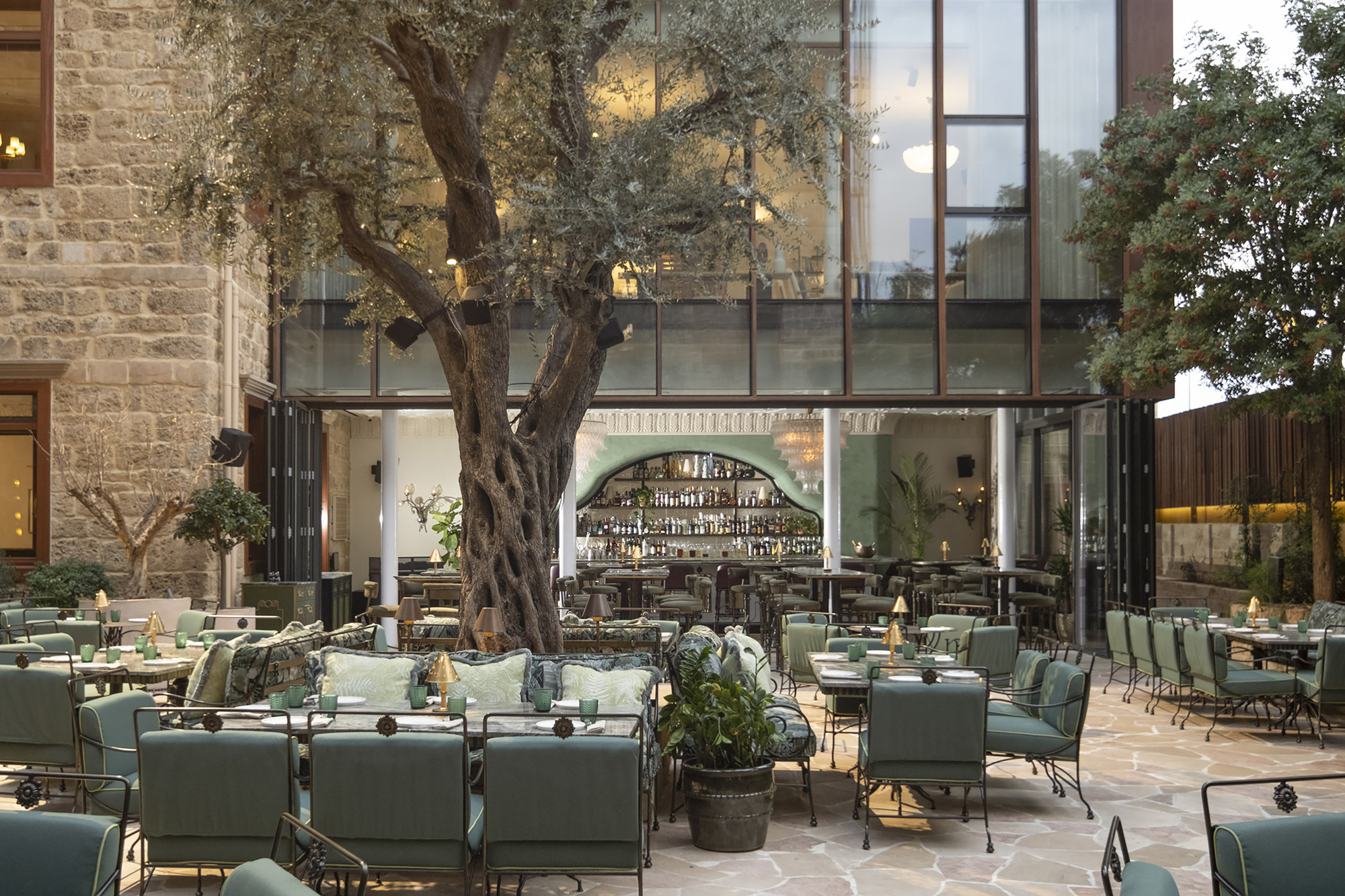
Save this picture!Outdoor lounge and bar space at Beihouse in Beirut. Image © Marco PinarelliWritten by Moises CarrascoPublished on February 24, 2026 Share ShareFacebookTwitterMailPinterestWhatsappOrhttps://www.archdaily.com/1038959/hospitality-as-heritage-catalyst-5-adaptive-reuse-strategies-across-diverse-latitudes Clipboard "COPY" CopyHospitality-driven programs, specifically coffee shops and social hubs, are partly defined by their role as "third places": social anchors that bridge the gap between private and public life. Unlike residential or commercial office programs that require rigid partitioning for privacy and utility, they rely on expansive, open-plan environments. This allows for an architectural strategy of minimal intervention, allowing the structural envelope to remain intact. By avoiding the subdivision of space, architects maintain uninterrupted sightlines to original masonry, timber frames, or decorative ceilings, ensuring the building's historical narrative remains the protagonist. Simultaneously, the commercial activity provides the necessary maintenance and public engagement to ensure the site's continued existence.+ 1 Across diverse latitudes, from the Mediterranean to the Sea of Japan, the coffee shop typology is a recurring method for the preservation of heritage buildings. These strategies share a common reliance on legibility. Rather than mimicking historical styles, they employ material contrast, using industrial elements like steel, glass, and ...