How to Frame the Landscape: Design Strategies in Residential Architecture | ArchDaily
Summary
This article explores design strategies for integrating residential architecture with surrounding landscapes, emphasizing the importance of visual hierarchy and phenomenological experience.
Why It Matters
Understanding how to frame landscapes in residential architecture is crucial for creating harmonious living spaces that enhance the user's experience. This approach not only addresses aesthetic concerns but also considers emotional and sensory interactions with the environment, making it relevant for architects and homeowners alike.
Key Takeaways
- Designing residential spaces requires recognizing and integrating the surrounding landscape.
- Visual hierarchy plays a critical role in shaping the user's perception and experience of space.
- Architectural choices can enhance or diminish the relationship between indoor and outdoor environments.
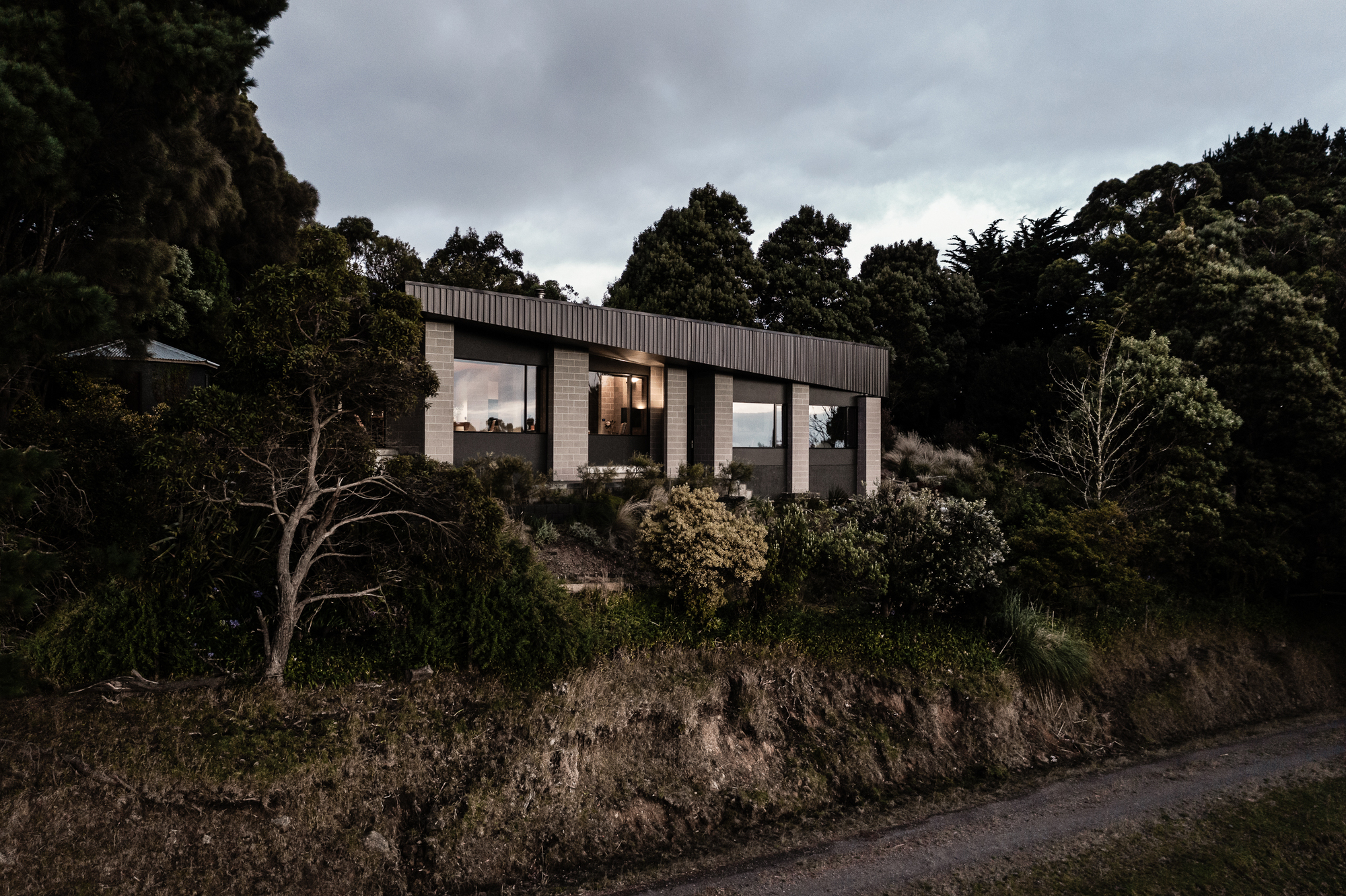
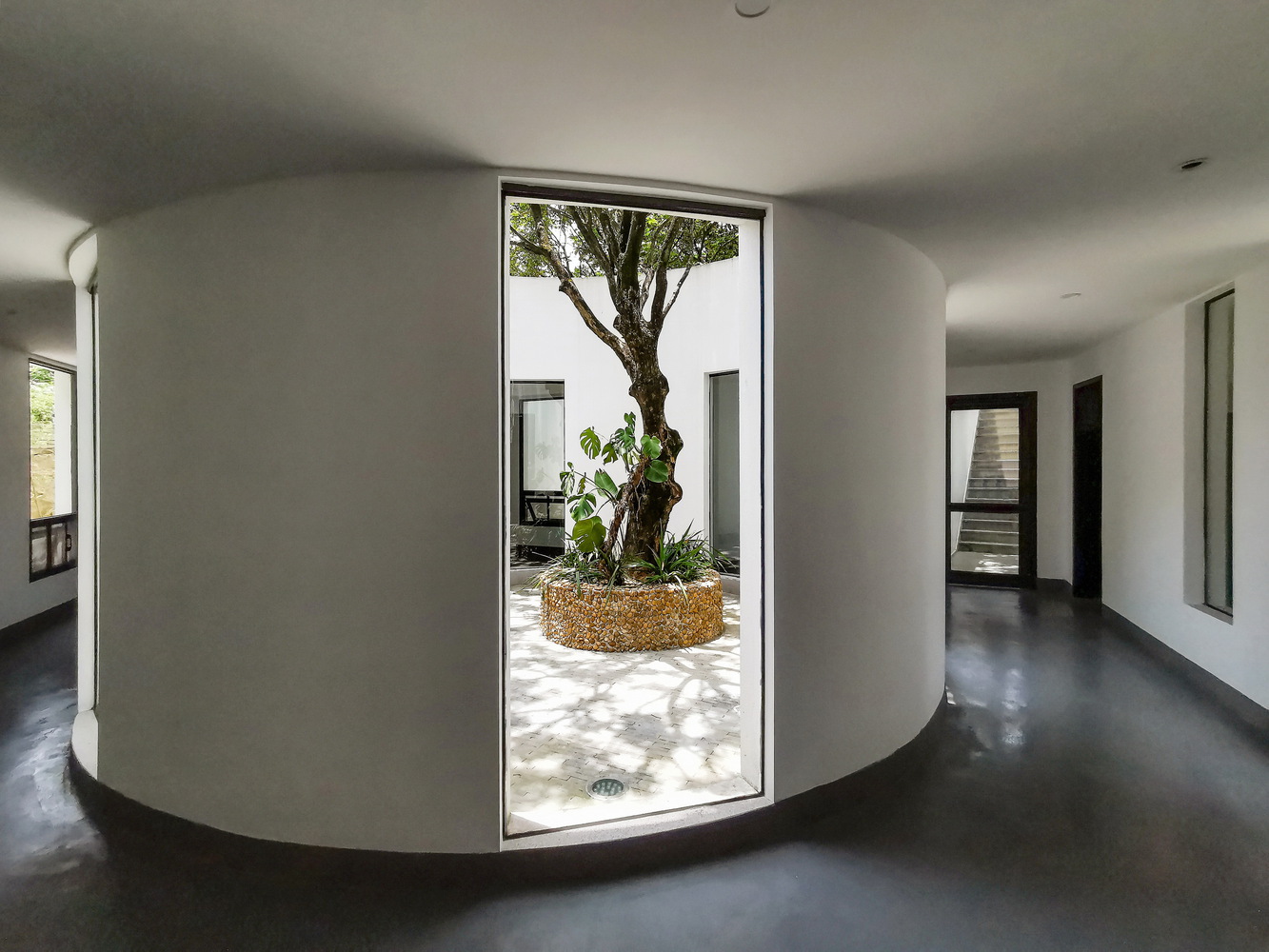
Save this picture!Courtyard under Longan Trees / Spacework Architects © Spacework ArchitectsWritten by Camilla Ghisleni | Translated by Diogo SimõesPublished on February 16, 2026 Share ShareFacebookTwitterMailPinterestWhatsappOrhttps://www.archdaily.com/1038577/how-to-frame-the-landscape-design-strategies-in-residential-architecture Clipboard "COPY" CopyWhen placing a house on its site, one of the first steps is to recognize the territory that surrounds it, identifying its potentials and tensions. In this process, we inevitably select, cut, hide, or enhance certain views, shaping the architectural experience according to the sensations we wish to foster.A visual hierarchy is therefore established, guiding the eye and determining what should be seen, in what way, and with what emotional intensity, defining how the user interprets the surroundings. In this context, design strategy goes beyond aesthetic choice and begins to operate as a construction of the phenomenological experience of space. By selecting a specific fragment of the horizon through a controlled opening, or by dissolving the limits between inside and outside with large glazed planes, architecture begins to act as a lens. It can emphasize the smallness of the human scale in relation to the vastness of the territory or, conversely, domesticate nature, incorporating it into everyday life.+ 29