Intestines of a Building: Aziza Chaouni on Architecture’s Systems and Resources | ArchDaily
Summary
Aziza Chaouni discusses her innovative approach to architecture, emphasizing sustainable design, community involvement, and the integration of hidden systems in buildings.
Why It Matters
This article highlights the importance of sustainable architecture and community engagement, particularly in the Global South. Chaouni's insights challenge conventional architectural practices and advocate for a more integrated approach that considers local resources and heritage, making it relevant for architects, urban planners, and sustainability advocates.
Key Takeaways
- Chaouni emphasizes the significance of understanding the hidden systems in architecture, such as energy and water management.
- Her work advocates for scalable solutions rather than unique, one-off buildings.
- Community involvement is crucial for the success of architectural projects, especially in the Global South.
- Integration of traditional practices and modern techniques can lead to more sustainable design outcomes.
- Chaouni's approach promotes reciprocal collaboration between the Global North and South.
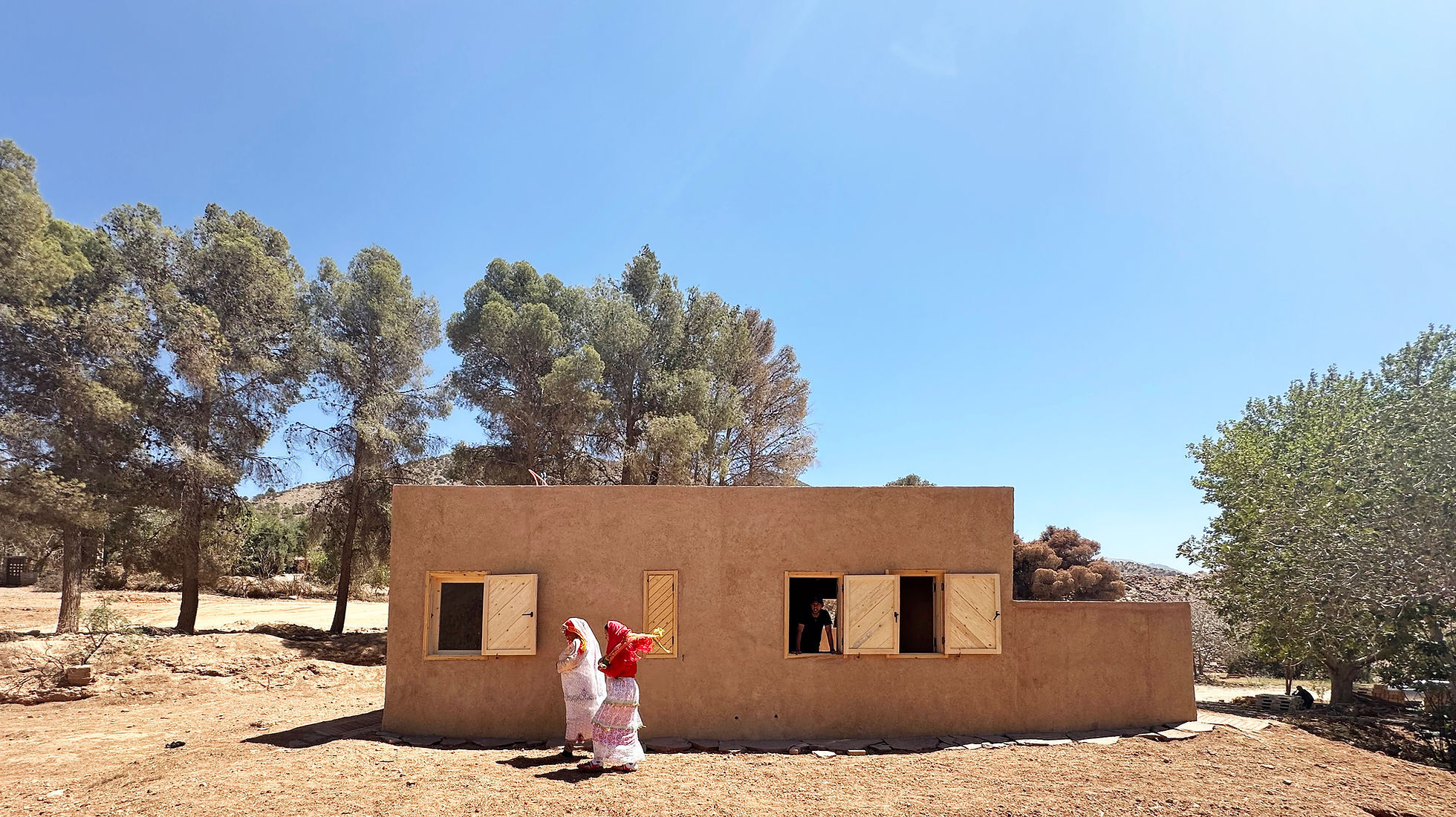
Save this picture!Anti-seismic earth brick house. Image © Aziza Chaouni ProjectsWritten by Romullo BarattoPublished on February 26, 2026 Share ShareFacebookTwitterMailPinterestWhatsappOrhttps://www.archdaily.com/1038912/intestines-of-a-building-aziza-chaouni-on-architectures-systems-and-resources Clipboard "COPY" CopyIn an age so obsessed with skincare and appearances, few architects are truly interested in the intestines of our buildings. With a practice rooted in contextual awareness and technical pragmatism, sensitive to the needs of the people it serves and to resource limitations, Moroccan architect Aziza Chaouni focuses on the hidden systems that allow architecture to be. Over the past two decades, she has been working on projects across different geographies, particularly in the Saharan region, actively engaging with its communities and heritage.Currently leading the South–North (SoNo) Lab for Sustainable Construction and Conservation at EPFL in Lausanne, Switzerland, Chaouni brings to the academic realm her architectural expertise in operating under pressing constraints, advocating for reciprocal collaboration between the Global South and the Global North. ArchDaily had the opportunity to speak with Aziza about her experience in Africa and how it can foster more sustainable ways of designing buildings for the future of our cities. + 25 Arguing that architects usually work with the resources available to them, she refuses to focus on one-of-a-kind buildings, redirec...