KItoNOKO – NIKKO HOME Group Hiroshima Office / ure LLC | ArchDaily
Summary
KITONOKO, designed by ure LLC, is a community-focused office complex in Hiroshima, Japan, completed in 2025. It aims to foster connections among people in a suburban commercial setting.
Why It Matters
This project highlights the importance of creating human-centered spaces in commercial areas, promoting community interaction and accessibility. In an era where urban design increasingly prioritizes sustainability and social engagement, KITONOKO serves as a model for future developments.
Key Takeaways
- KITONOKO integrates community interaction into its design.
- The project counters typical car-oriented commercial developments.
- Architectural openness is emphasized to encourage local engagement.
- The building serves as a model for future human-scaled architecture.
- It reflects a growing trend towards sustainable and community-oriented design.
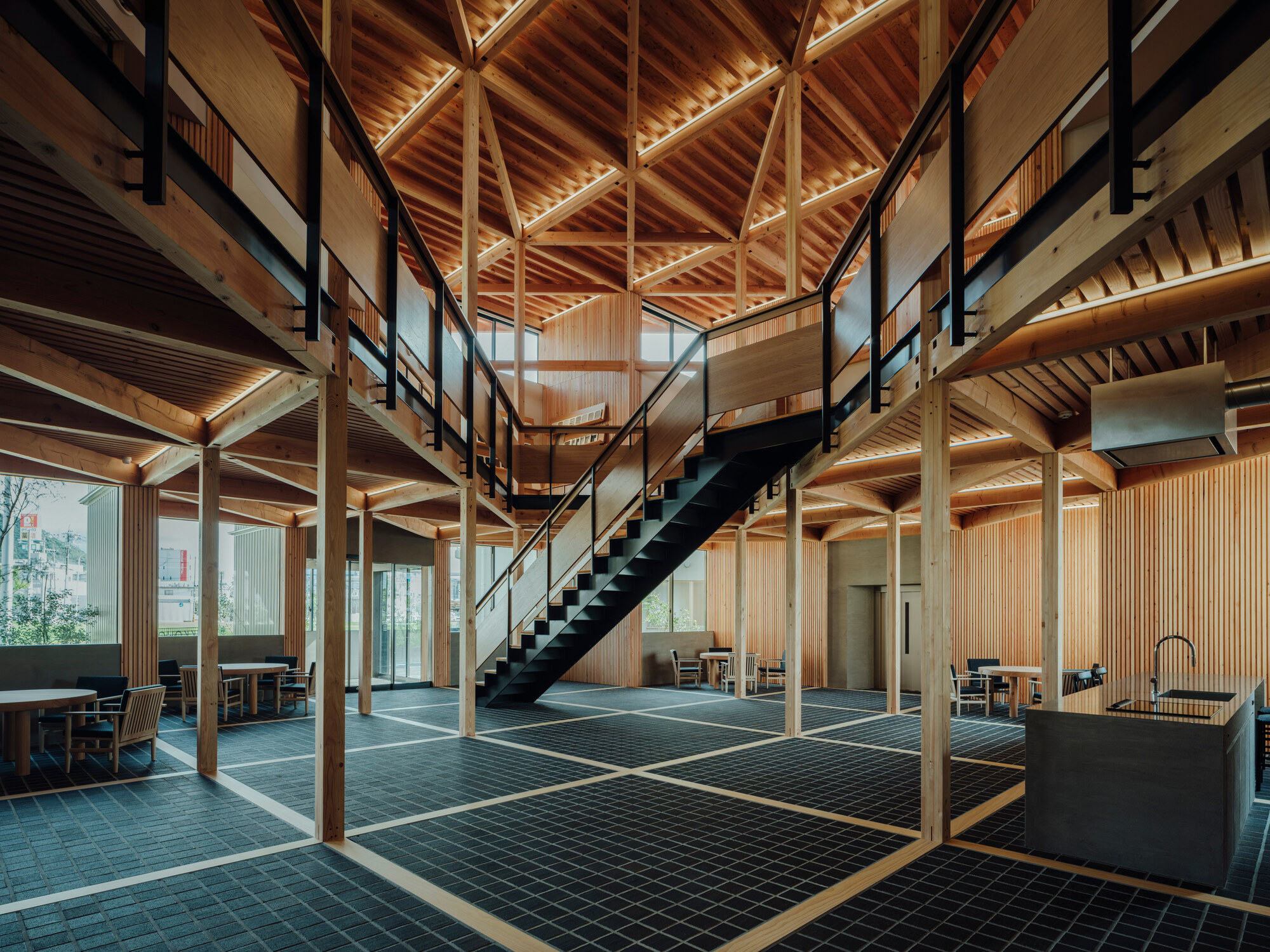
Save this picture!© Tatsuya Tabii+ 30 Curated by Miwa Negoro Share ShareFacebookTwitterMailPinterestWhatsappOrhttps://www.archdaily.com/1038827/kitonoko-nikko-home-group-hiroshima-office-ure-llc Clipboard "COPY" CopyOffices•Hiroshima, Japan Architects: ure LLC Area Area of this architecture project Area: 654 m² Year Completion year of this architecture project Year: 2025 Photographs Photographs:Tatsuya Tabii Lead Architects: Toshinori Iwatake Category: OfficesTechnical Team: Nikko HomeEngineering & Consulting > Structural: nawaken-gymEngineering & Consulting > Lighting: Filaments inc.Engineering & Consulting > Mechanical: Shimazu Design Office Ltd.City: HiroshimaCountry: JapanMore SpecsLess Specs Save this picture!© Tatsuya Tabii Text description provided by the architects. KITONOKO is a community-oriented complex located in a suburban commercial district, conceived as a place where architecture quietly connects people, work, and everyday life. Surrounded by large-scale retail and roadside developments, the project seeks to introduce a more human-scaled, open, and approachable environment within a typically car-oriented context. Rather than operating as a closed commercial facility, the building encourages local residents, visitors, and staff to naturally intersect through spatial openness and continuity.