Naples Architecture City Guide: 15 Projects of History, Density, and Continuity | ArchDaily
Summary
Explore Naples' architectural evolution through 15 significant projects that showcase the city's rich history and unique urban density.
Why It Matters
Understanding Naples' architecture provides insight into how historical layers influence modern urban design. This guide highlights the interplay between geography, culture, and architecture, making it relevant for architects, urban planners, and history enthusiasts.
Key Takeaways
- Naples' architecture reflects centuries of historical evolution.
- The city's design integrates underground spaces and reused materials.
- Geographical factors significantly influence architectural styles.
- Buildings in Naples are interconnected within a larger urban narrative.
- The guide highlights 15 key projects that exemplify this architectural richness.
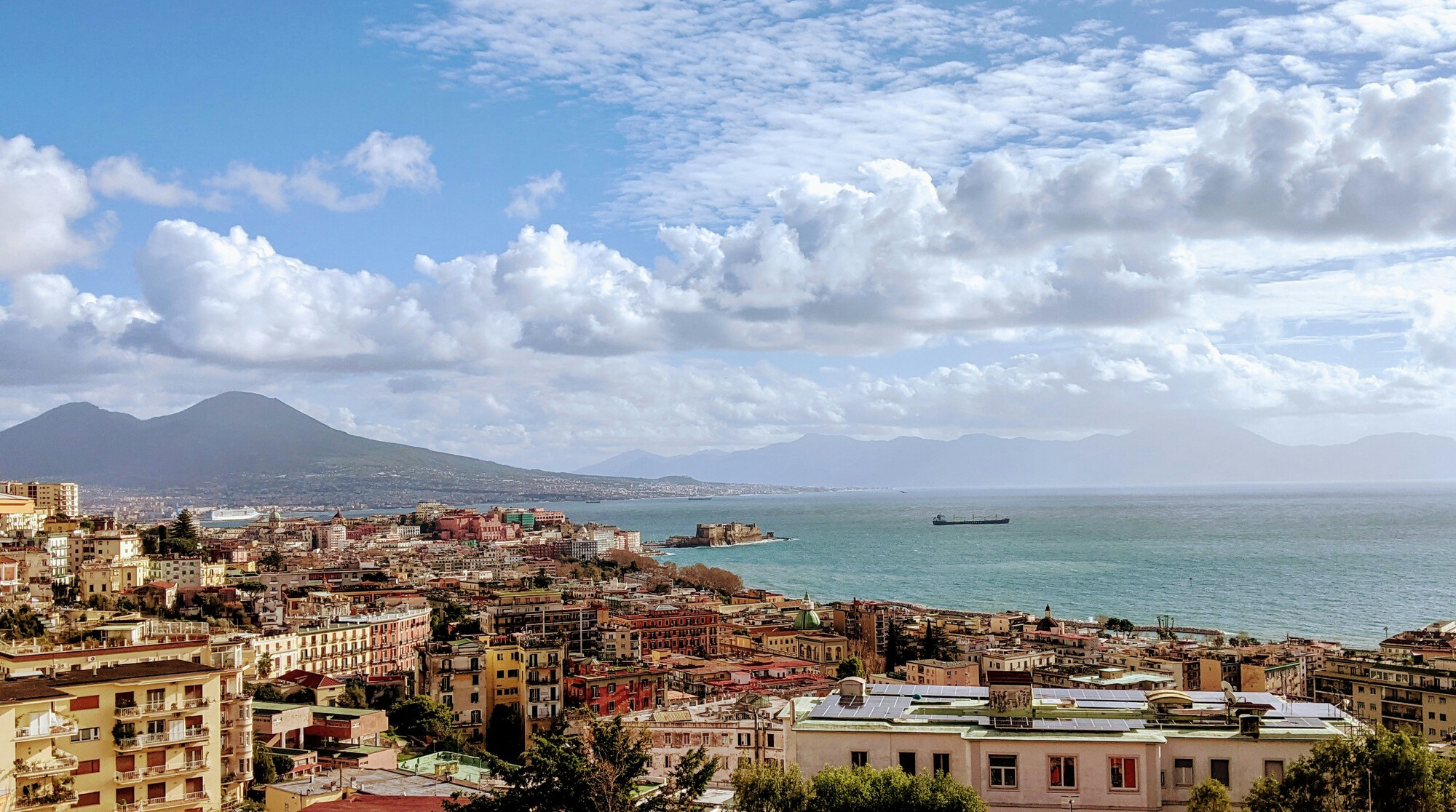
Save this picture!Naples. Photo by Danilo D'Agostino on UnsplashWritten by Diogo Borges FerreiraPublished on February 17, 2026 Share ShareFacebookTwitterMailPinterestWhatsappOrhttps://www.archdaily.com/1038593/naples-architecture-city-guide-15-projects-of-history-density-and-continuity Clipboard "COPY" CopySet on the edge of the Mediterranean and shaped by centuries of continuous occupation, Naples is a city where architecture is inseparable from time. Layers of Greek foundations, Roman infrastructures, medieval churches, Baroque palaces, and Modern interventions coexist within a dense and compact urban fabric. Naples reveals itself as an accumulation of structures, adaptations, and reuse, where buildings are rarely isolated objects and more often part of a larger spatial, social, and historical system.The city's architecture is deeply tied to its geography and construction culture. Built between the sea and volcanic terrain, Naples developed vertically and inward, relying on courtyards, narrow streets, and thick masonry walls to mediate light, climate, and movement. Underground spaces, reused Roman cisterns, and carved tuff structures extend the city below ground, creating a parallel architectural dimension that supports daily life above.+ 18