New Nursery School on Via dell’Acquamarina / LERUA Studio | ArchDaily
Summary
The New Nursery School on Via dell'Acquamarina in Olbia, Italy, designed by LERUA Studio, is a significant architectural project aimed at enhancing early childhood education facilities.
Why It Matters
This project addresses the increasing need for quality early childhood education spaces, reflecting societal values around child development and education. It showcases modern architectural approaches to creating functional, safe, and nurturing environments for young children.
Key Takeaways
- The nursery school is designed to accommodate 85 children aged 2 to 36 months.
- The architectural design aligns with national guidelines for early childhood education.
- The project emphasizes civic and social significance in community development.
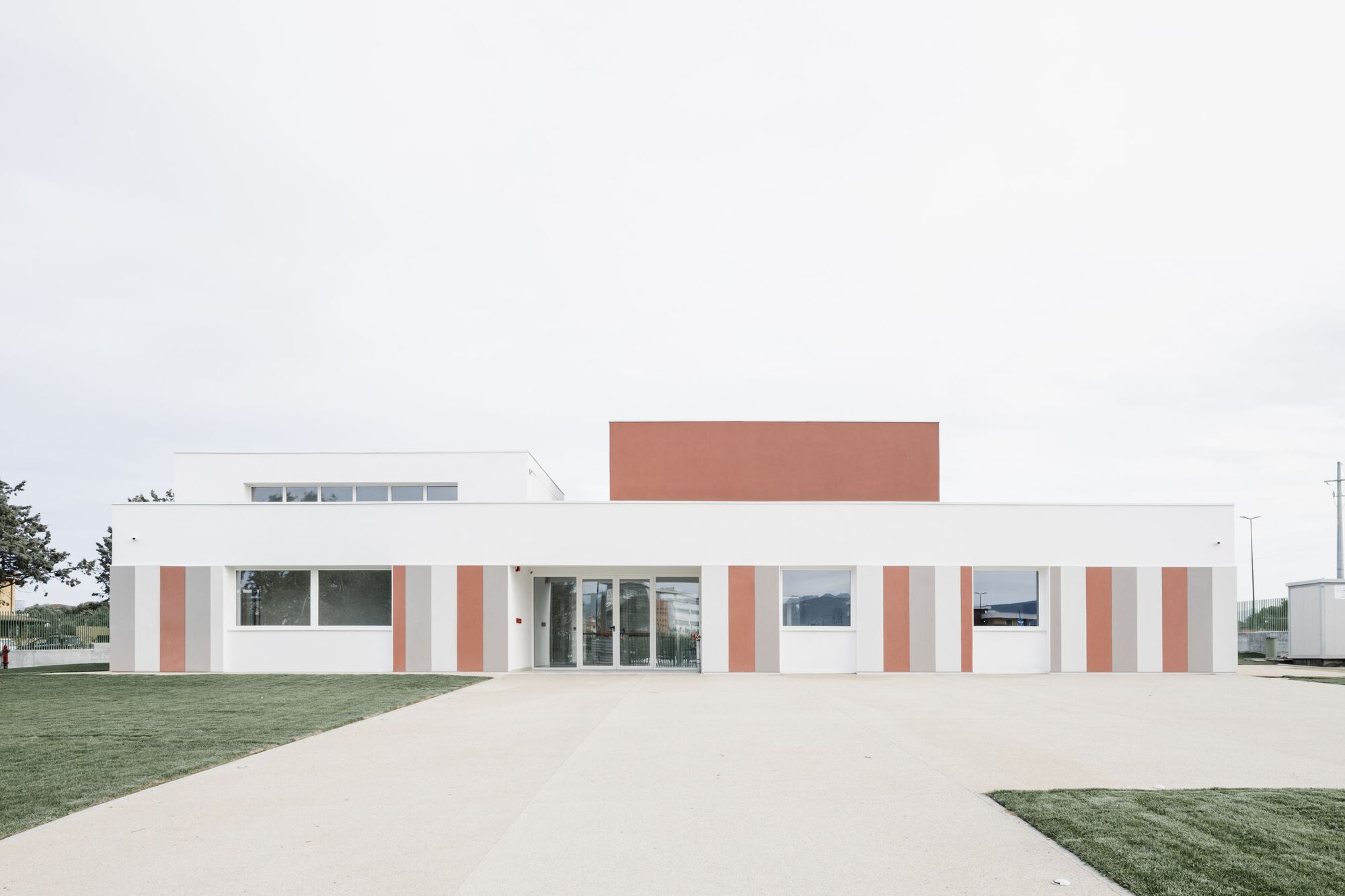
Save this picture!© Cédric Dasesson+ 14 Curated by Hadir Al Koshta Share ShareFacebookTwitterMailPinterestWhatsappOrhttps://www.archdaily.com/1038846/new-nursery-school-on-via-dellacquamarina-lerua-studio Clipboard "COPY" CopyKindergarten, Day Care•Olbia, Italy Architects: LERUA Studio Associato di Architettura Area Area of this architecture project Area: 719 m² Year Completion year of this architecture project Year: 2025 Photographs Photographs:Cédric DasessonCategory: Kindergarten, Day CareDesign Team: Studio Associato di Architettura LERUA (Arch. Paolo Russo, Arch. Fabiana Ledda), MB Engineering, P.I. Sandrino Perra, Arch. Mario MandrasWorks Management: Arch. Lorenzo SoroClient: Comune di Olbia (SS)Construction Company: Dueffe SRLCost Of Work: € 2.484.364,29City: OlbiaCountry: ItalyMore SpecsLess Specs Save this picture!© Cédric Dasesson Text description provided by the architects. The New Nursery School on Via dell'Acquamarina in Olbia is conceived as an architectural intervention of strong civic and social significance, designed to respond thoughtfully to the growing demand for spaces dedicated to early childhood care and education. The facility is sized to accommodate 85 children between 2 and 36 months of age, organized into three functional groups—infants, semi-toddlers, and toddlers—according to a pedagogical framework aligned with the most up-to-date national guidelines and the developmental needs of each age group.