On World Health Day: How Architecture Shapes Well-Being in Everyday Spaces | ArchDaily
About this article
Discover how architecture influences health, enhancing well-being through design that integrates nature, materials, and spatial conditions.
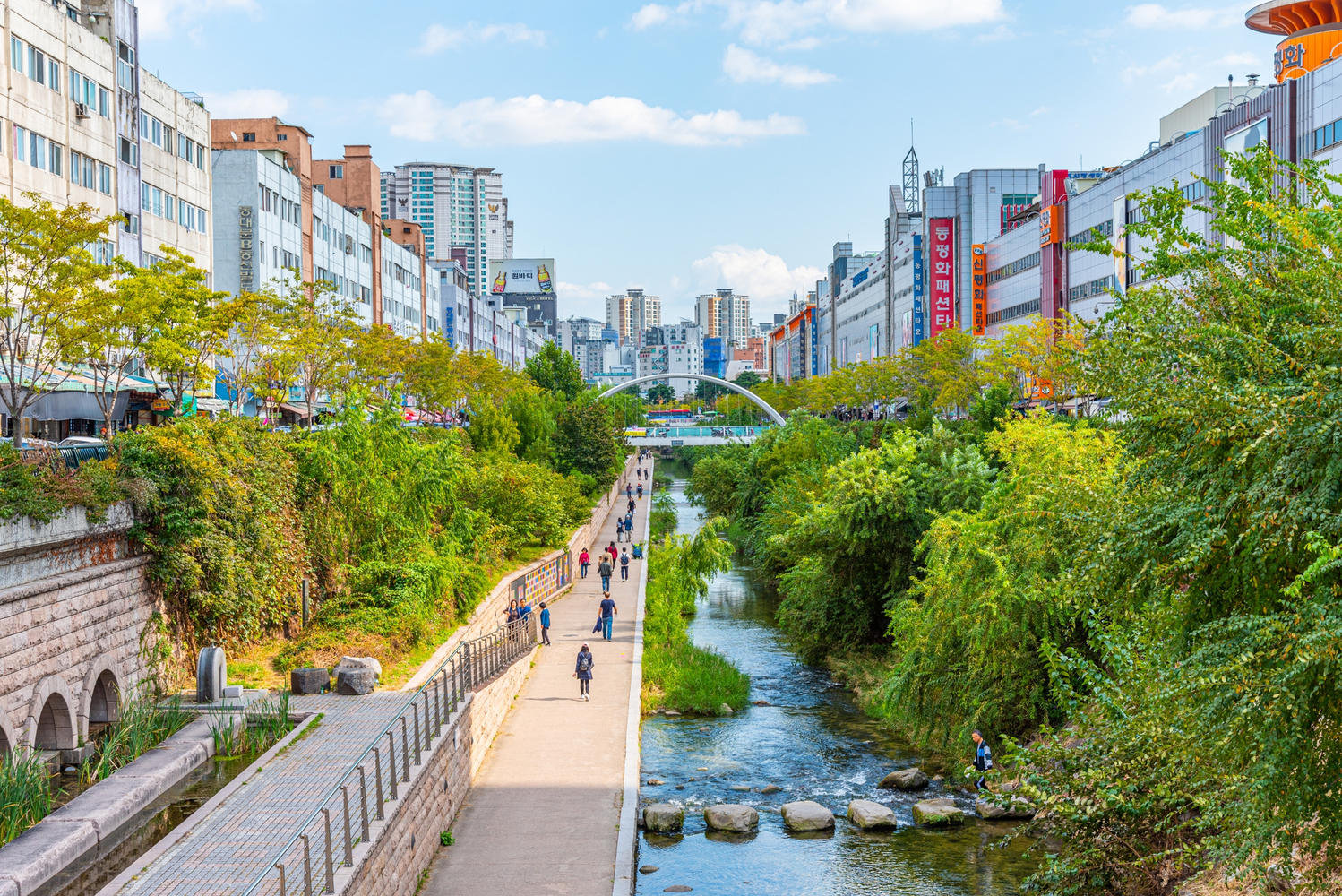
Save this picture!Cheonggyecheon stream in Seoul, Korea. Image © trabantos via ShutterstockWritten by Reyyan DoganPublished on April 07, 2026 Share ShareFacebookTwitterMailPinterestWhatsappOrhttps://www.archdaily.com/1040388/on-world-health-day-how-architecture-shapes-well-being-in-everyday-spaces Clipboard "COPY" CopyObserved annually on April 7, World Health Organization's World Health Day draws attention to global health priorities while situating them within broader environmental and societal contexts. Established following the first World Health Assembly in 1948 and observed since 1950, the day has evolved into a platform for addressing the shifting conditions that shape health, from local systems of care to planetary-scale challenges. The 2026 edition, held under the theme "Together for health. Stand with science," calls for renewed engagement with scientific knowledge as a basis for collective action. The year-long campaign emphasizes collaboration in protecting the health of people, animals, plants, and the planet, foregrounding the One Health approach as a framework for understanding their interdependence.+ 9 While often framed through healthcare systems and policy, these concerns are also tied to the built environment, where health is continuously shaped through spatial conditions. Factors such as air quality, access to daylight, material exposure, thermal comfort, and proximity to green space influence how environments are experienced on a daily basis. Within th...