Q&A Spotlight: What’s the correct approach to insulate a brick crawlspace in Zone 4A? - GreenBuildingAdvisor
Summary
This article provides expert advice on insulating a brick crawlspace in Zone 4A, addressing concerns about humidity control and frost heave risks.
Why It Matters
Proper insulation of crawlspaces is crucial for maintaining energy efficiency and preventing structural issues in older homes. This guidance is particularly relevant for homeowners in colder climates, where frost heave can damage foundations. Understanding the nuances of insulation in brick structures can help mitigate these risks and improve overall building performance.
Key Takeaways
- Insulating brick crawlspaces requires careful consideration to avoid frost heave.
- A poly vapor barrier and rigid insulation can help manage humidity and heat loss.
- Consulting building science experts is essential for addressing unique structural challenges.
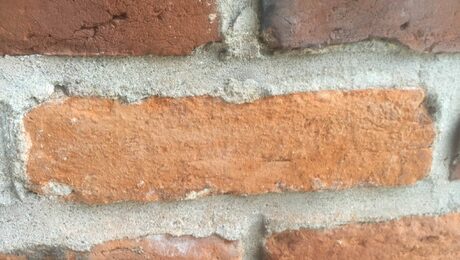
Q&A Spotlight Q&A Spotlight: What’s the correct approach to insulate a brick crawlspace in Zone 4A? The walls may not have footings below the frost line, which complicates things By Chuck Bickford | February 16, 2026 More Q&A Spotlight Q&A Spotlight: Insulating Second-Floor Eaves and Attic in Duluth Q&A Spotlight: Ducting for a Whole-House Dehumidifier Q&A Spotlight - Radon-Mitigation Retrofit Q&A Spotlight: Going Up or Going Down? If there were a Building Science Hall of Fame (BSHF), brick would earn an easy first-ballot induction. It’s durable, fire-resistant, and manufactured to consistent quality rather than quarried from nature. Long before concrete took over foundation work, 19th-century builders commonly used brick for above-grade foundation walls. Crawlspaces, however, would be far less likely to make the BSHF. Too often they’re damp, mold-prone, hard to access, and challenging to insulate well—making them a frequent source of building performance problems.Recently, member “Imosakow” (whose name is Luke) posed a question that combines the two previously mentioned elements. He writes that he wants to encapsulate the crawlspace of his home on Long Island, NY. The house was built in 1885 on a brick foundation, and he’s convinced that the walls do not extend below the frost line and are without footings.He says that his goal is to reduce humidity and to prevent the crawlspace from sucking heat out of the first floor. So far, his plan is to add rigid insulation to the b...