Ramand Mixed-Use building / White Cube Atelier | ArchDaily
Summary
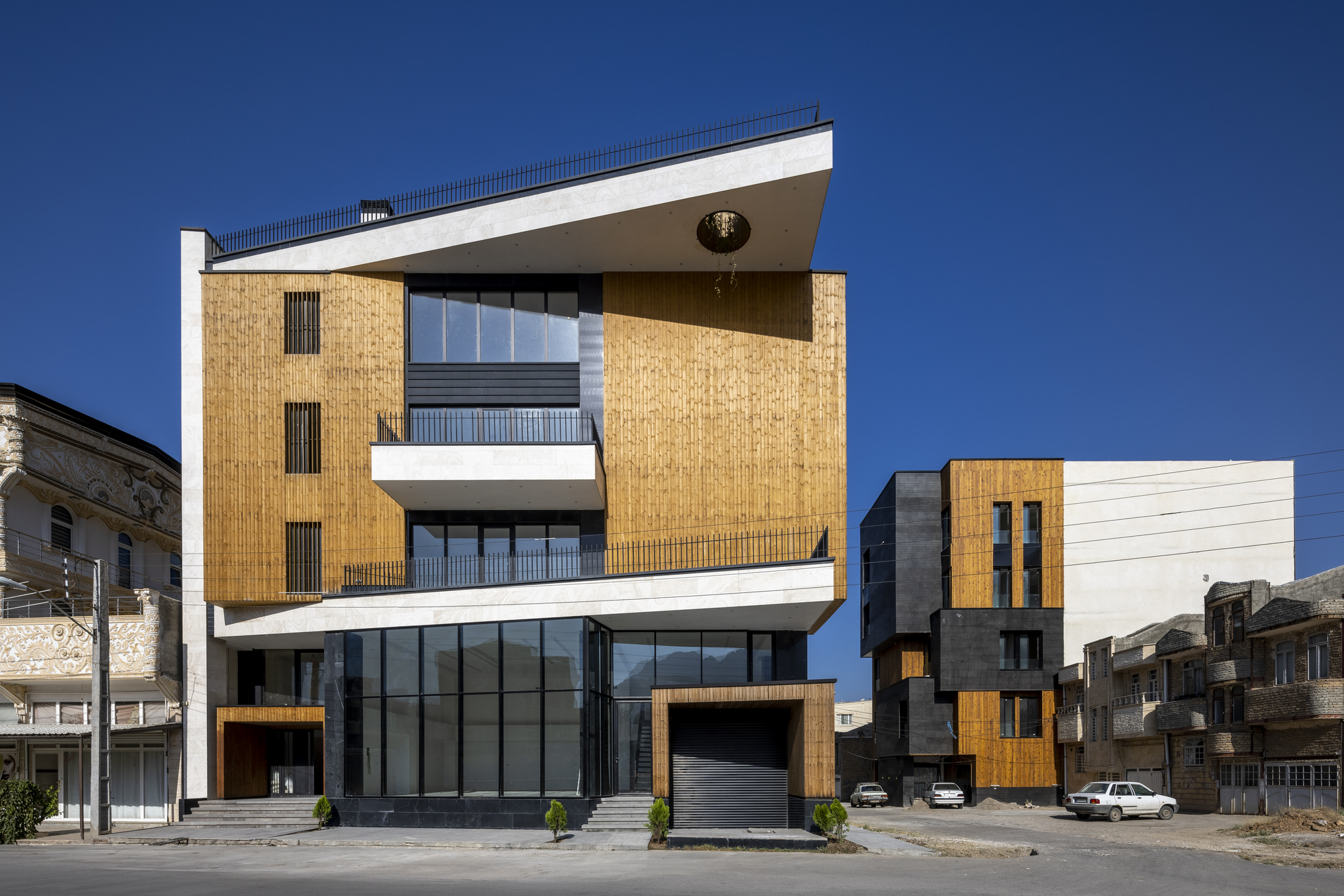
The Ramand Mixed-Use Building by White Cube Atelier in Maku, Iran, showcases innovative architecture that harmonizes with its dual-cornered site while prioritizing community interaction.
Why It Matters
This project exemplifies contemporary mixed-use architecture that balances aesthetic appeal with functional design. By integrating a wooden skin, it fosters a welcoming atmosphere in a community-centric area, which is essential for urban development that considers social dynamics.
Key Takeaways
- The building's design respects the geometry of its dual-cornered site.
- Use of wood softens the structure's appearance, promoting community interaction.
- The project aims to enhance the spatial memory of children in the surrounding area.
Save this picture!© Parham Taghioff+ 28 Curated by Miwa Negoro Share ShareFacebookTwitterMailPinterestWhatsappOrhttps://www.archdaily.com/1039018/ramand-mixed-use-building-white-cube-atelier Clipboard "COPY" CopyMixed Use Architecture•Maku, Iran Architects: White Cube Atelier Area Area of this architecture project Area: 1000 m² Year Completion year of this architecture project Year: 2024 Photographs Photographs:Parham Taghioff Lead Architects: Reza Asadzade + Shabnam Khalilpour Category: Mixed Use ArchitectureDesign Team: Hengameh RezaeeTechnical Team: Mohamad AsadzadehCity: MakuCountry: IranMore SpecsLess Specs Save this picture!© Parham Taghioff Text description provided by the architects. Ramand is, before being a project, a decision—a decision about how a cube can stand on a dual-cornered site without compromising its own geometry and without disregarding the city. The wooden volume is a controlled rotation, neither a formal gesture nor an exaggeration; merely the minimal deviation required for the form to settle into the site. Its geometry does not impose itself on the city, but aligns with it. The wooden skin is not an emotional choice, but a means to soften the hard cube. In a site surrounded by schools, the wood transforms potential seriousness into a conversational tone, aware of the daily gaze of children building their spatial memory.