ROSADOCE Commercial Building / REIMS 502 | ArchDaily
Summary
The ROSADOCE Commercial Building in Santiago de Querétaro, designed during the pandemic, reflects on the adaptability of commercial spaces to new living and working models.
Why It Matters
This project highlights the evolving nature of commercial architecture in response to contemporary challenges, emphasizing flexibility and urban responsibility. It serves as a case study for architects and urban planners on how to design spaces that meet changing societal needs.
Key Takeaways
- The building was designed during the pandemic, addressing new commercial space needs.
- It emphasizes long-term flexibility and efficiency in architectural design.
- The project reflects a critical response to changing consumer behaviors and urban responsibility.
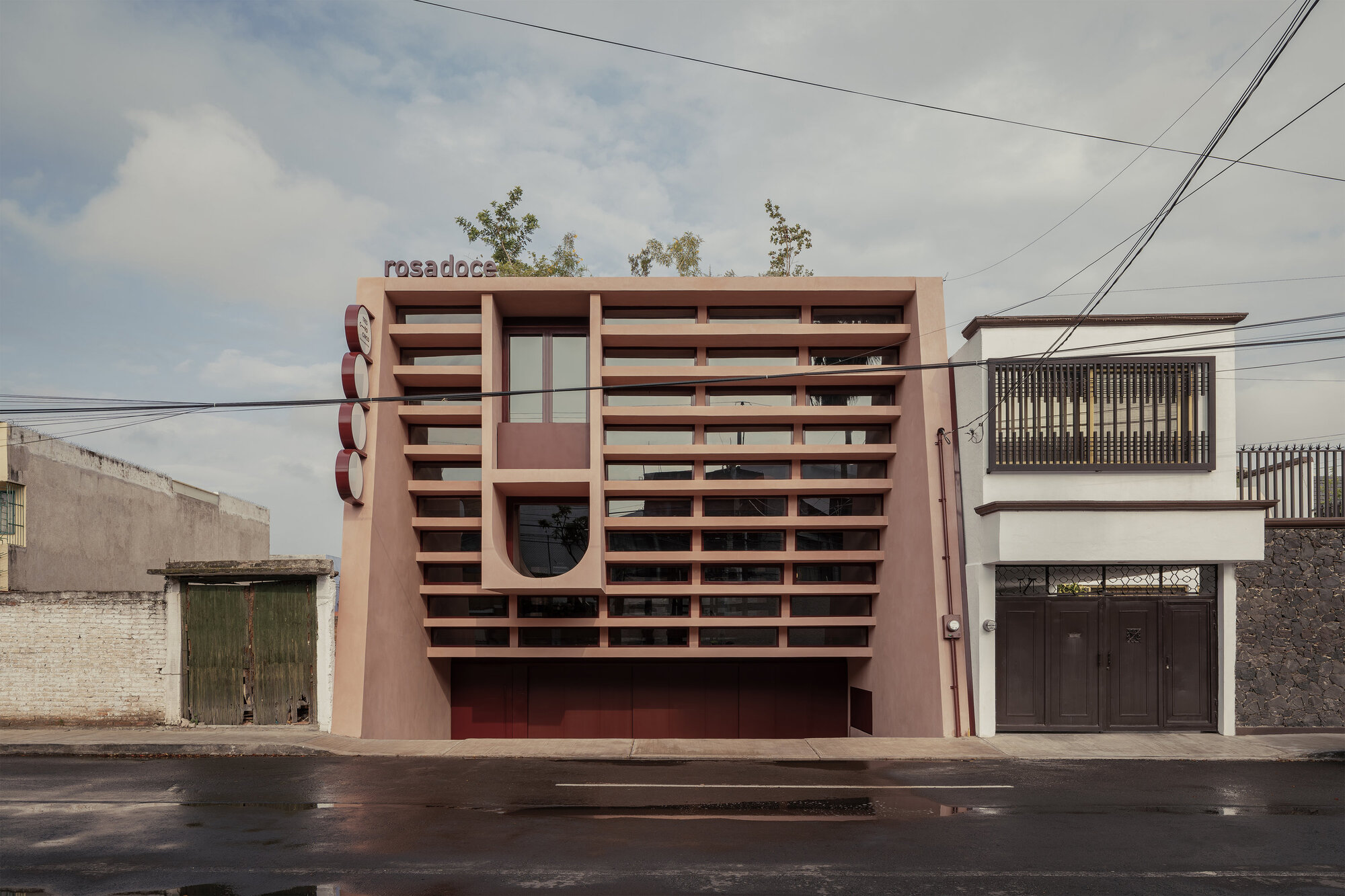
Save this picture!© César Béjar+ 24 Curated by Valentina Díaz Share ShareFacebookTwitterMailPinterestWhatsappOrhttps://www.archdaily.com/1038584/rosadoce-reims-502 Clipboard "COPY" CopyRetail•Santiago de Querétaro, Mexico Architects: REIMS 502 Area Area of this architecture project Area: 840 m² Year Completion year of this architecture project Year: 2024 Photographs Photographs:César Béjar Manufacturers Brands with products used in this architecture project Manufacturers: AutoDesk, Adobe Systems Incorporated, Covintec, Epca, Nanocal Lead Architects: Eduardo Reims Hernández, Andrea Maldonado Verduzco Landscape Project: Matorral Category: RetailProject Administration: Nancy RodriguezDesign: Gerardo FosadoSite Managment: Alejandro VerduzcoIllustrations And Graphics: Sebastián MercadoStructure: Erick RodriguezCity: Santiago de QuerétaroCountry: MexicoDid you collaborate on this project?More SpecsLess Specs Save this picture!© César Béjar Text description provided by the architects. Designed during the pandemic, this project emerges as a critical reflection on contemporary commercial spaces and their ability to adapt to new models of living, working, and consuming. Rather than being an immediate response to the health emergency, the proposal stems from a deeper question: how should architecture respond to a reality demanding long-term flexibility, efficiency, and urban responsibility?