Sculpted Sanctuary House / D'WELL | ArchDaily
Summary
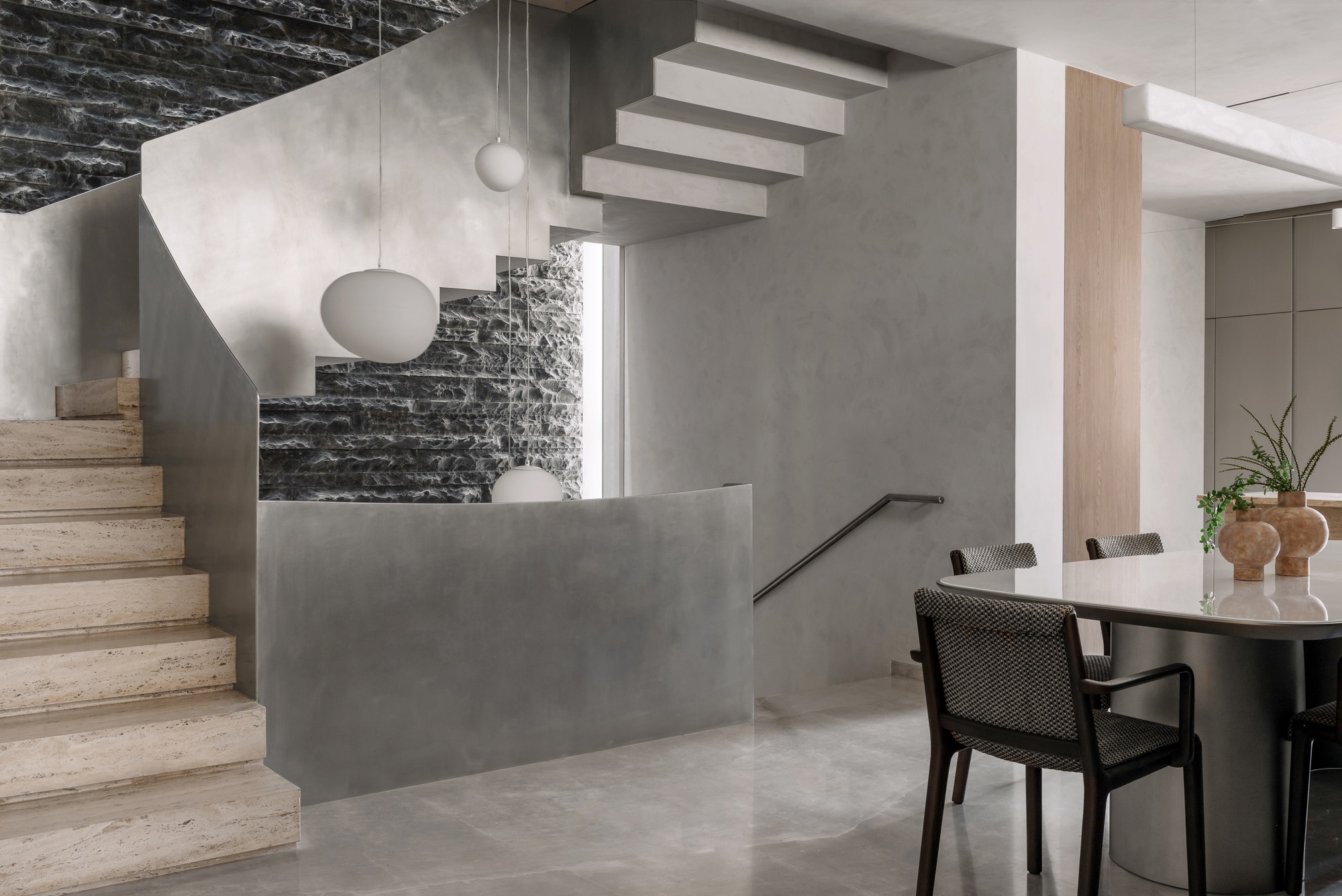
The Sculpted Sanctuary House in Surat, India, is a 10,000 sq ft private residence designed by D'WELL, focusing on inward-looking spaces and material restraint to create a calming environment.
Why It Matters
This project exemplifies modern residential architecture that prioritizes serenity and spatial harmony. It addresses the challenge of large-scale homes while ensuring livability, making it relevant for architects and homeowners interested in innovative design solutions.
Key Takeaways
- The house is designed as an inward-looking sanctuary, enhancing privacy and tranquility.
- Architectural restraint is emphasized to maintain a grounded and composed interior despite the home's large scale.
- The project showcases the integration of various high-end materials and brands, enhancing its aesthetic appeal.
Save this picture!© Ishita Sitwala+ 18 Curated by Miwa Negoro Share ShareFacebookTwitterMailPinterestWhatsappOrhttps://www.archdaily.com/1038849/sculpted-sanctuary-house-dwell Clipboard "COPY" CopyHouses•Surat, India Architects: D'WELL Area Area of this architecture project Area: 10000 ft² Year Completion year of this architecture project Year: 2025 Photographs Photographs:Ishita Sitwala Manufacturers Brands with products used in this architecture project Manufacturers: Gessi, Hansgrohe, Luxurarte living, Alsorg, Amare - Jaipur rugs, Andblack, Arflex, Friggerio, Ligne Roset, Meridiani, Misura Emme, Molteni&Co, Poliform, Porro, ROGAN DESIGNS, Reflex, Source Designs, Source Designs, Toto, casamilano, +1wriver-1Category: HousesTeam: Jhanvi Mehta, Rakshit Shah, Sefali BalotiaCity: SuratCountry: IndiaMore SpecsLess Specs Save this picture!© Ishita Sitwala Text description provided by the architects. The Calming Abode is a 10,000 sq ft private residence in Surat, conceived as an inward-looking sanctuary shaped by sculpted volumes, material restraint, and spatial calm. The primary challenge was addressing the inherently generous scale of the house while ensuring the interiors remained grounded, composed, and deeply inhabitable rather than overtly grand.