Smart Booking Systems as a Tool for Acoustic Space Efficiency | ArchDaily
Summary
The article explores how smart booking systems enhance the efficiency of acoustic spaces in modern workplaces, addressing challenges of underutilization and scheduling conflicts.
Why It Matters
As workplaces evolve towards open-plan designs, the need for private spaces is critical for productivity. This article highlights innovative solutions that optimize space usage, making it relevant for office managers and designers aiming to improve workplace efficiency and user experience.
Key Takeaways
- Traditional booking systems often lead to conflicts and underutilization of acoustic spaces.
- Smart booking systems can enhance user experience by allowing flexible, real-time reservations.
- Dynamic scheduling and visual interfaces can significantly improve space management in workplaces.
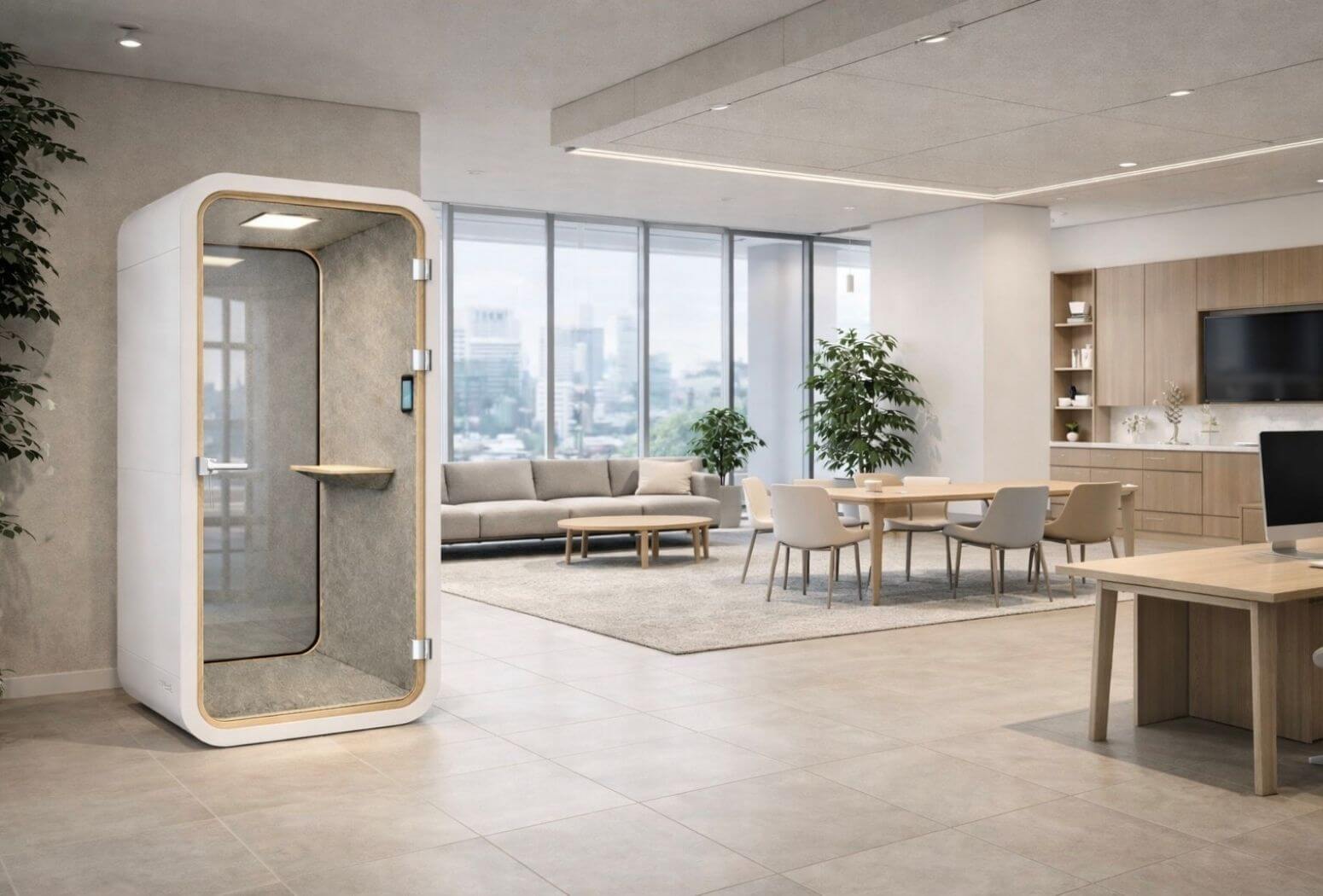
Save this picture!Courtesy of DancooWritten by Agustina IñiguezPublished on February 23, 2026 Share ShareFacebookTwitterMailPinterestWhatsappOrhttps://www.archdaily.com/1038867/smart-booking-systems-as-a-tool-for-acoustic-space-efficiency Clipboard "COPY" CopyContemporary workplaces promise collaboration, yet they increasingly struggle to provide spaces for privacy. In an era dominated by open-plan layouts, small acoustic spaces like phone booths and focus pods have become essential for maintaining productivity and privacy. However, the paradox of "booking conflicts" alongside "underutilized spaces" has turned these areas into operational challenges. The question, then, is how workplaces can balance efficiency, productivity, and individualized user experiences within increasingly complex environments. Save this picture!Courtesy of DancooAcoustic pods function as essential spaces for calls, focused work, and private conversations. Yet their management often reveals a structural tension. Systems based on rigid advance booking tend to suppress spontaneity, while first-come-first-served approaches frequently result in disputes, uncertainty, and idle time. At the core of this imbalance lies a fundamental mismatch: traditional scheduling models fail to reflect the fragmented, short-term, and often unpredictable ways these spaces are actually used. Addressing this issue requires more than optimizing availability. It also involves rethinking the quality of the experience inside th...