The Centauric Heritage: Equine Scale and Mexican Monumental Architecture | ArchDaily
Summary
This article explores the integration of equine needs in Mexican monumental architecture, highlighting how animal presence has shaped spatial design and material choices throughout history.
Why It Matters
Understanding the historical relationship between architecture and equine needs sheds light on the unique spatial practices in Mexican culture. This perspective challenges conventional architectural narratives and emphasizes the importance of multi-species coexistence in design, offering insights into sustainable practices and cultural heritage.
Key Takeaways
- Mexican architecture historically accommodates both human and animal needs.
- Spatial designs reflect a multi-species coexistence, influencing material choices.
- The concept of 'Ghost Scale' illustrates how equine dimensions shaped modern architecture.
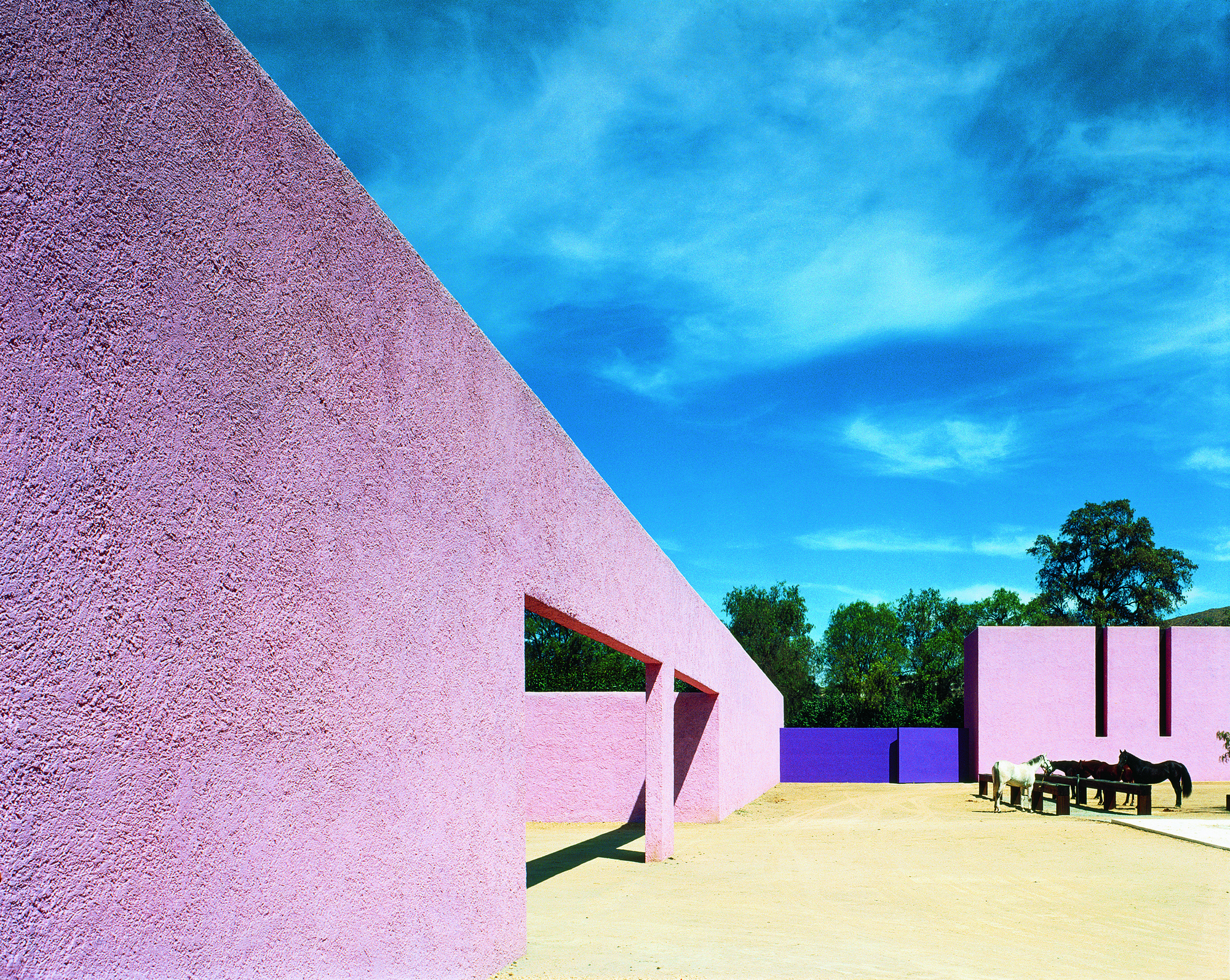
Save this picture!Luis Barragán (1902–1988), Cuadra San Cristóbal, Los Clubes, Atizapán de Zaragoza, State of Mexico, 1966–1968. Main courtyard (photograph, late 1960s) by Armando Salas Portugal. Image © Barragan FoundationWritten by Valentina DíazPublished on February 27, 2026 Share ShareFacebookTwitterMailPinterestWhatsappOrhttps://www.archdaily.com/1038962/the-centauric-heritage-equine-scale-and-mexican-monumental-architecture Clipboard "COPY" CopyIn the architectural history of the Mexican territory, the built environment has functioned not merely as a human stage, but as a biological infrastructure designed to organize proximity between species. The resulting spatial logic is not a solo performance, but a negotiated coexistence between human and animal bodies. To examine this heritage today is to shift the analytical focus away from stylistic authorship and toward a more fundamental phenomenon: the persistence of spatial practices that emerged to sustain shared forms of life. Many of the architectural features now interpreted as cultural or aesthetic markers — oversized thresholds, expansive patios, and durable surfaces — can be understood instead as material traces of an interspecies contract. For centuries, horses, mules, and livestock were not external to architecture but essential inhabitants whose physical presence shaped scale, circulation, and material choices. Their bodies left measurable imprints in space, from the height of entrances that accommodated mounte...