The Machine in the Age of Collective Practice | ArchDaily
Summary
The article explores the impact of AI on architecture, highlighting the shift from traditional tools to semi-autonomous systems that influence design outcomes.
Why It Matters
As AI technologies increasingly integrate into architectural practices, understanding their implications on authorship and design processes is crucial for architects and industry stakeholders. This article prompts a reevaluation of the role of human agency in a rapidly evolving technological landscape.
Key Takeaways
- AI tools are transforming architectural workflows, becoming semi-autonomous agents.
- The integration of AI challenges traditional notions of authorship in design.
- Architects must adapt to new technologies that propose and optimize designs.
- This shift raises critical questions about agency and creativity in architecture.
- Understanding AI's role is essential for future architectural practices.
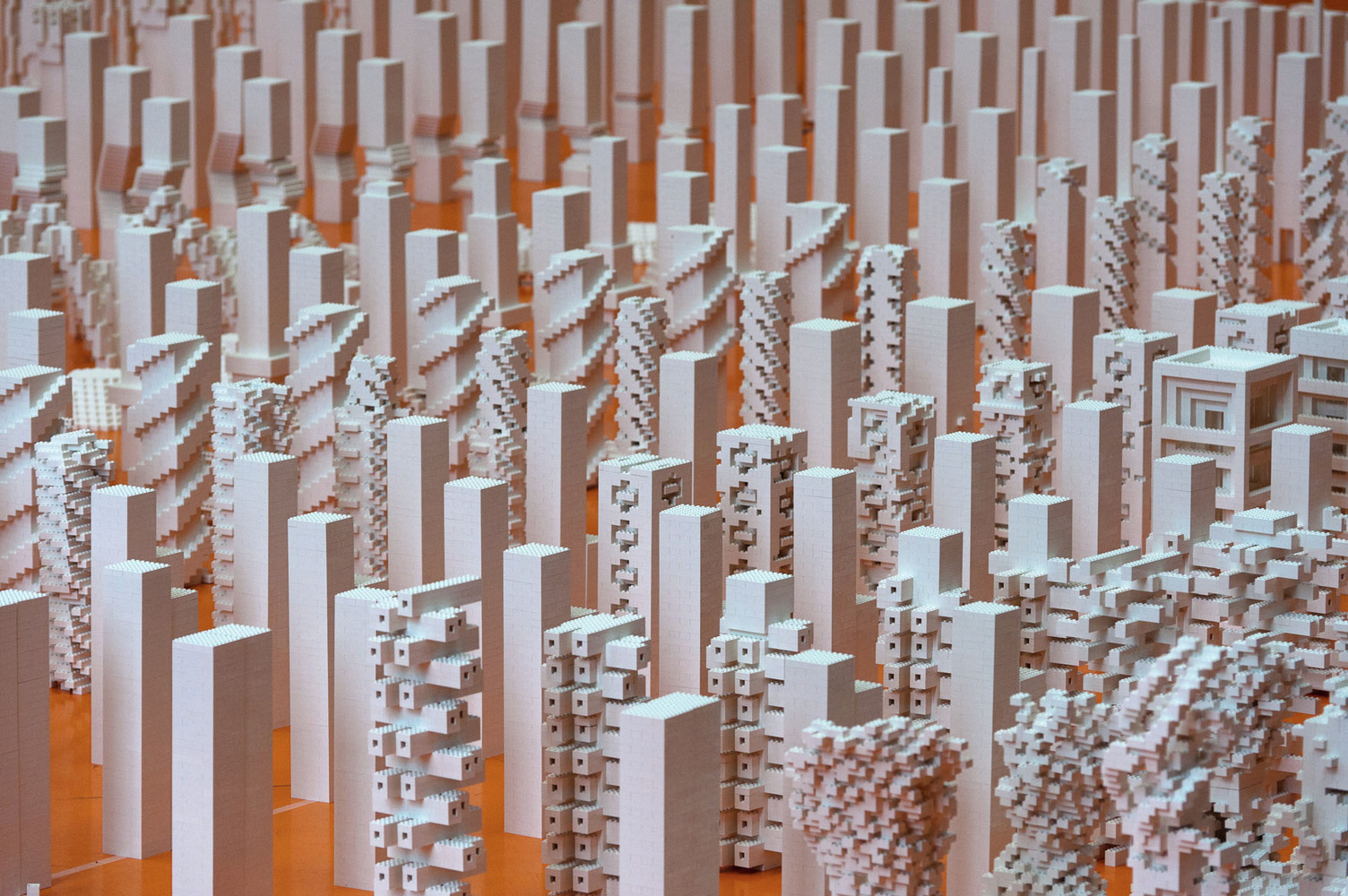
Save this picture!Porous City / MVRDV and The Why Factory. Image Courtesy of Frans Parthesius, MVRDV and The Why FactoryWritten by Diogo Borges FerreiraPublished on February 25, 2026 Share ShareFacebookTwitterMailPinterestWhatsappOrhttps://www.archdaily.com/1038978/the-machine-in-the-age-of-collective-practice Clipboard "COPY" CopyThis article is part of our new Opinion section, a format for argument-driven essays on critical questions shaping our field.Every architectural epoch has been defined by its instruments. The compass, the drawing board, the camera, and the computer have each altered how architects think and produce. Yet the current moment feels qualitatively different. As artificial intelligence and generative systems enter daily workflows, tools cease to be passive extensions of the architect's hand and begin to operate as semi-autonomous agents. They propose, optimize, and simulate, producing outcomes that are, at times, beyond the author's full anticipation.+ 17