The Two Cathedrals of Managua: Architectural Memory After Nicaragua’s 1972 Earthquake | ArchDaily
Summary
The article explores the architectural evolution of Managua's cathedrals post-1972 earthquake, highlighting their role in urban memory and reconstruction efforts.
Why It Matters
Understanding the transformation of Managua's urban landscape after the 1972 earthquake provides insights into how cities can adapt to seismic challenges. The cathedrals symbolize resilience and the shift from traditional to modern urban planning, reflecting broader themes of memory and identity in architecture.
Key Takeaways
- The 1972 earthquake prompted a significant shift in Managua's urban planning approach.
- The new Metropolitan Cathedral represents a departure from traditional architectural styles.
- Managua's reconstruction emphasized decentralization to enhance urban resilience.
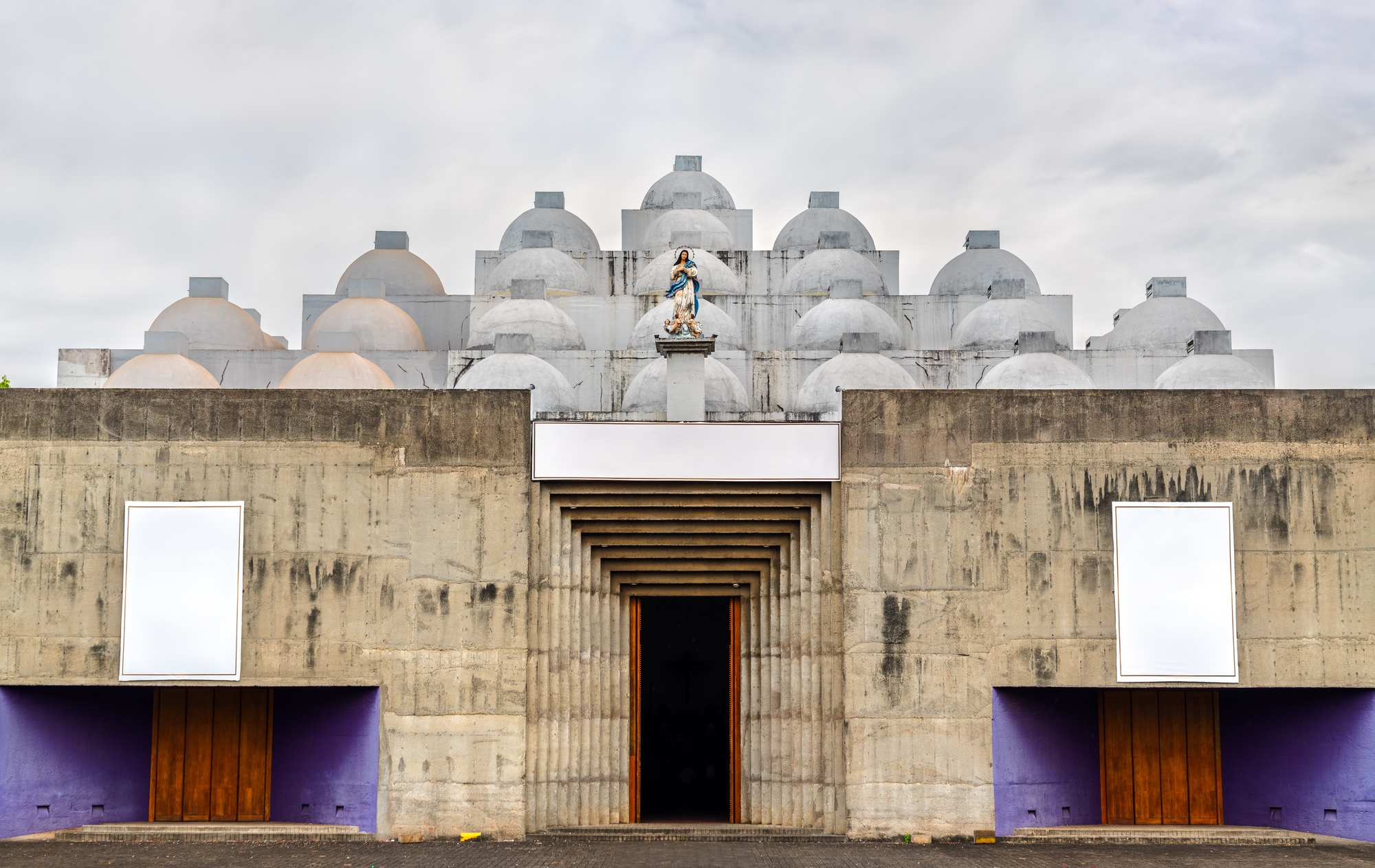
Save this picture!The New Cathedral of Managua. Image © Leonid Andronov via ShutterstockWritten by Moises CarrascoPublished on February 18, 2026 Share ShareFacebookTwitterMailPinterestWhatsappOrhttps://www.archdaily.com/1038801/the-two-cathedrals-of-managua-architectural-memory-after-nicaraguas-1972-earthquake Clipboard "COPY" CopyOn December 23, 1972, Managua, the capital of Nicaragua, was struck by a 6.3-magnitude earthquake. In a matter of minutes, its urban core, which for decades had functioned as a compact political and economic center, abruptly collapsed. In the reconstruction process that followed, the authorities sought not simply to rebuild but to reorganize. Their objective was to decentralize the city and prevent future paralysis by dispersing functions across multiple zones. Among the most significant architectural outcomes of this shift was the new Metropolitan Cathedral. Its modernist language symbolized both institutional continuity and urban transformation. In doing so, it embodied Managua's transition from a Spanish-style, centralized urban grid to a contemporary, decentralized metropolis.+ 3 Interestingly, Managua's designation as capital was itself the result of political compromise. Throughout the Spanish period and early republic, León and Granada were dominant and rival centers of power. In 1855, Managua, then a relatively small settlement on the southern shore of Lake Xolotlán, was declared capital precisely because of its intermediate location betw...