Thermal Memory: How Climate Shapes Architectural Heritage | ArchDaily
Summary
The article explores how climate influences architectural design, emphasizing the importance of thermal comfort in shaping building types and heritage over time.
Why It Matters
Understanding the relationship between climate and architecture is crucial for creating sustainable and comfortable living spaces. This article highlights how traditional designs can inform modern practices, promoting energy efficiency and occupant well-being in the face of climate change.
Key Takeaways
- Thermal comfort significantly influences architectural design and heritage.
- Vernacular architecture intuitively incorporates climate-responsive features.
- Modern engineering validates traditional design principles for energy efficiency.
- Spatial configurations evolve from repeated thermal preferences over generations.
- Architectural elements serve as environmental filters, enhancing comfort.
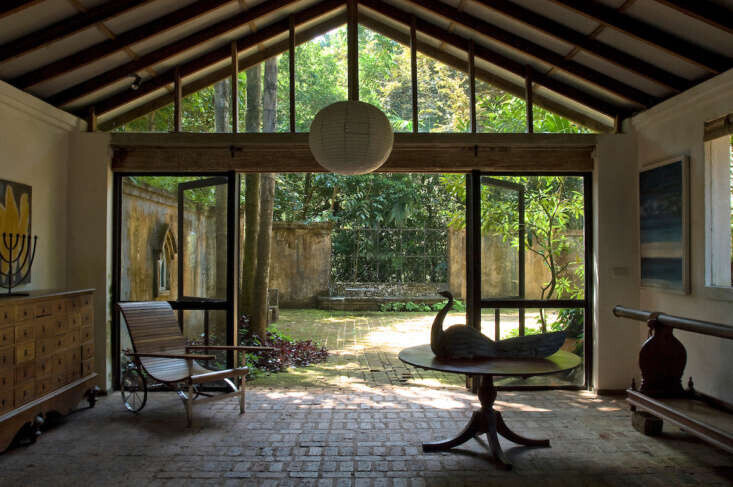
Save this picture!Lunuganga / Geoffrey Bawa. Image © Dominic SansoniWritten by Ananya NayakPublished on February 27, 2026 Share ShareFacebookTwitterMailPinterestWhatsappOrhttps://www.archdaily.com/1039072/thermal-memory-how-climate-shapes-architectural-heritage Clipboard "COPY" CopyOn a hot afternoon in May, when the air over western India turns metallic with heat, no one remembers façade composition. They remember where the shade falls. They remember which corridor breathed. They remember the house that was cooler than the street. What stays in memory is comfort beyond the form. Repeated thermal preference stabilizes into spatial configuration, and over time, those configurations become building types.Heritage is usually catalogued by what can be drawn, not by what changed temperature. In heat, buildings are learned first through skin, only later through sight. Generations learn, through their bodies, what works. Shade reduces glare and radiant heat. Air movement shifts perception by several degrees. Thick walls slow temperature swings. Over time, these experiences accumulate into a spatial preference. What feels right is repeated. What is repeated stabilizes into type.+ 8 Building science has given language to what vernacular architecture practiced intuitively. Adaptive comfort research, incorporated into standards like ASHRAE 55, shows that occupants in naturally ventilated buildings accept a wider temperature range than those in sealed, air-conditioned environments. Wh...