What Happens When Solar Is Treated as a Building Material? | ArchDaily
Summary
The article explores how integrating solar technology into building façades transforms them into active energy-producing elements, enhancing design and sustainability.
Why It Matters
As the architectural industry shifts towards sustainability, treating solar technology as a building material rather than an accessory is crucial. This approach not only improves energy efficiency but also influences aesthetic and functional design, making it relevant for architects and builders focused on environmentally responsible practices.
Key Takeaways
- Solar technology can be integrated into building façades to enhance energy performance.
- Early integration of solar materials influences design decisions and reduces waste.
- Ventilated rainscreens improve durability and lower operating costs while generating electricity.
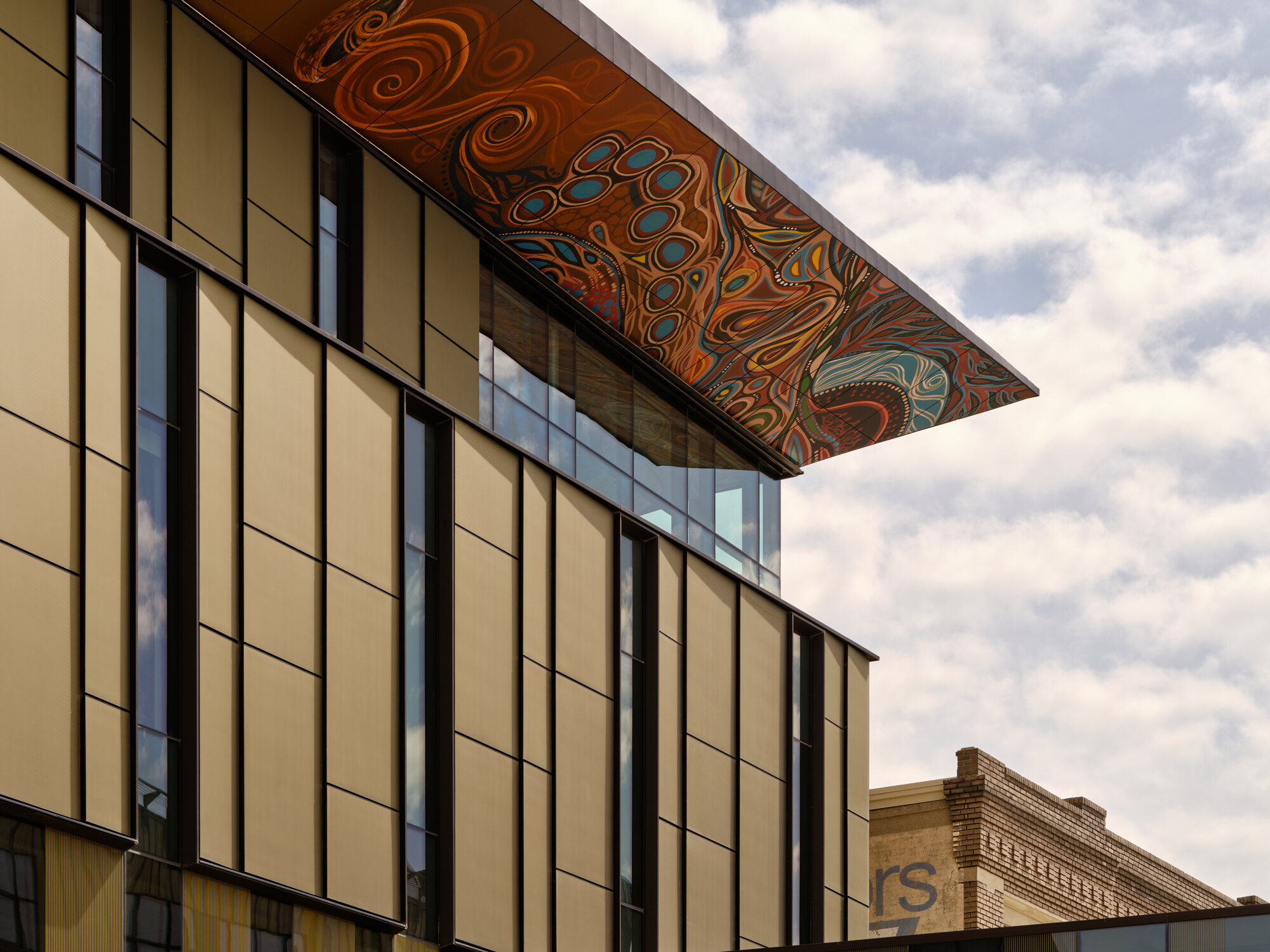
Save this picture!Courtesy of SolarLab, Photo by doublespacephoto.com. ImageRed River College Innovation Center / Diamond Schmitt Architects & Number TEN Architectural GroupWritten by Agustina IñiguezPublished on February 24, 2026 Share ShareFacebookTwitterMailPinterestWhatsappOrhttps://www.archdaily.com/1038939/what-happens-when-solar-is-treated-as-a-building-material Clipboard "COPY" CopyAs environmental accountability becomes embedded in design culture, the building envelope is being reconsidered not just as a protective skin, but as an active energy-producing surface. Treating solar technology as a material rather than an attachment reshapes how architecture is conceived and detailed. Color, texture, rhythm, and assembly become inseparable from performance. Building-Integrated Photovoltaics (BIPV) operate within this expanded definition of materiality. By integrating solar technology into façades and rainscreens from the earliest project stages, architects can reduce redundancy, align energy goals with design intent, and rethink how envelopes are composed. Yet translating this ambition into buildable systems requires technical precision and construction intelligence.+ 14 By framing solar energy as a building material, many projects now conceive the building envelope considering material qualities, colors and textures, performance characteristics, and design flexibility. Integrating solar technology from the earliest project stages influences envelope design decisions, ...