What Lies Beneath: 10 Projects Reshaping the Ground Level | ArchDaily
About this article
Learn how lightness in architecture impacts ground-level dynamics, creating shared spaces that invite public engagement and usage.
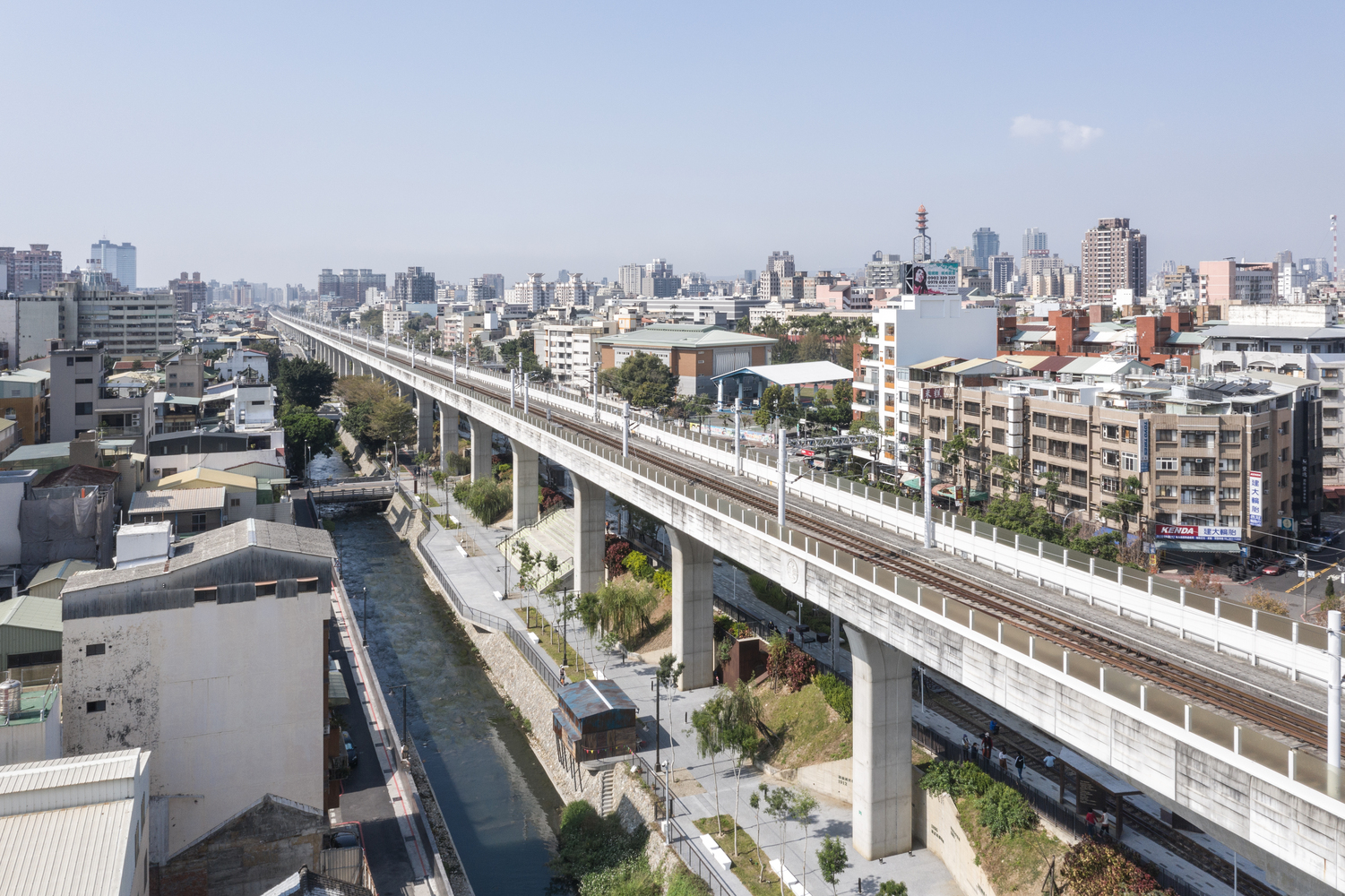
Save this picture!Taichung Green Corridor / Mecanoo. Image © Ethan LeeWritten by Diogo Borges FerreiraPublished on April 15, 2026 Share ShareFacebookTwitterMailPinterestWhatsappOrhttps://www.archdaily.com/1040213/what-lies-beneath-10-projects-reshaping-the-ground-level Clipboard "COPY" CopyArchitecture has long been drawn to the idea of lightness. From early modernist experiments that sought to preserve landscapes, elevating buildings has been understood as a way to preserve the ground while maintaining continuity across the terrain. Volumes are lifted on columns, infrastructures detach circulation from the surface, and entire programs are suspended above the ground.This was formalised in the early twentieth century through Le Corbusier's concept of the pilotis, which proposed the liberation of the ground floor from enclosure. By raising buildings on columns, architects sought to maintain continuity with the terrain, allowing movement, vegetation, and collective use to unfold beneath constructed volumes. The building would occupy the air, while the ground would remain open, accessible, and shared.+ 19 Yet this promise has proven difficult to sustain. Instead of producing continuous public space, elevated architecture often generates conditions that are ambiguous, fragmented, or underused. The ground is not eliminated, nor simply freed. It is reorganised into a secondary layer of the project, which remains structurally necessary but programmatically unresolved. If architect...