When Sculpture Becomes Discourse: Reflections on Mujassam Watan | ArchDaily
About this article
Discover how urban sculptures evoke memory and redefine the relationship with space, merging art and architecture in Khobar, Saudi Arabia.
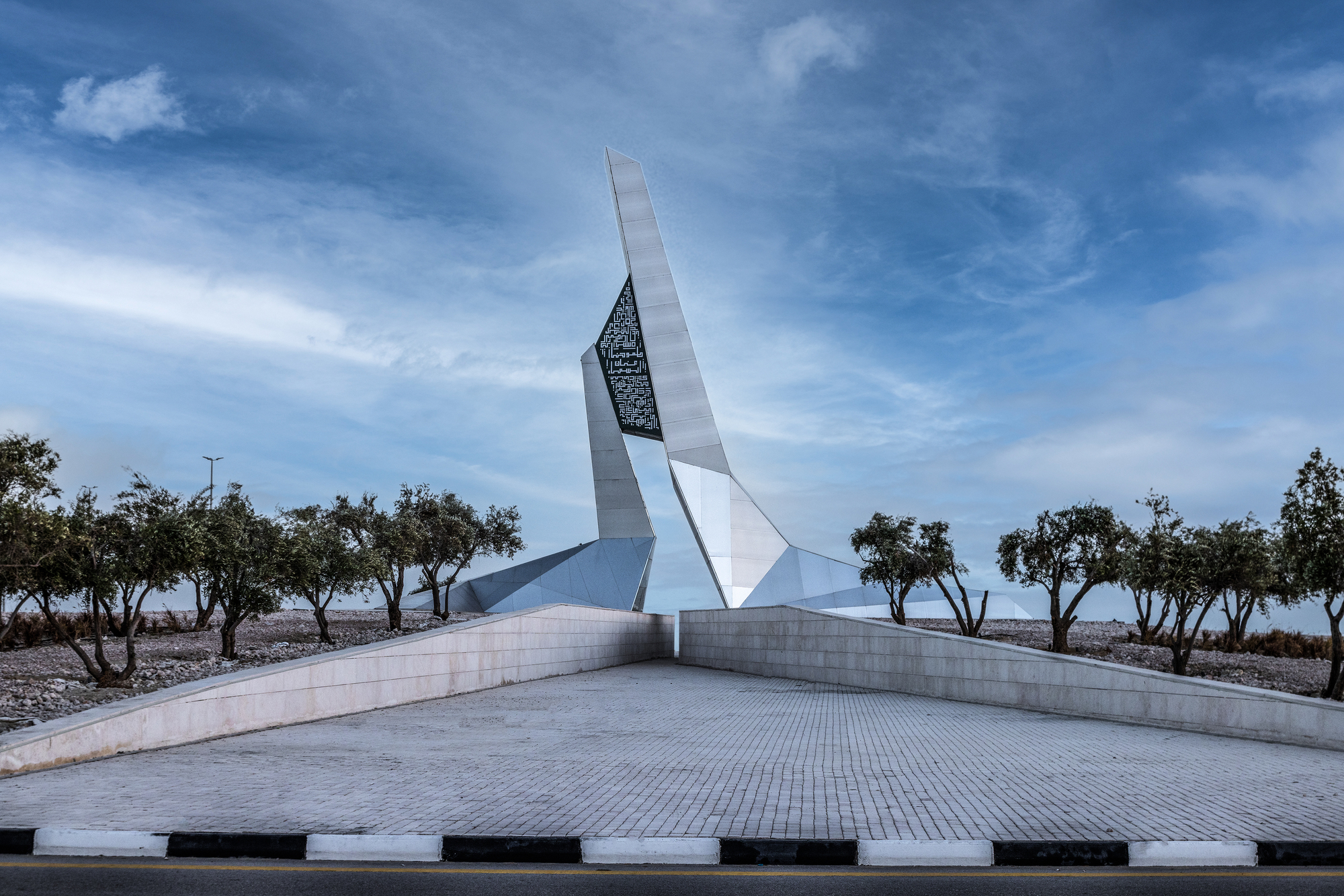
Save this picture!Anan Alsama designed by Fatimah Alabid, Masud Alzunaifer, and Maha Alesawi. Image Courtesy of Mujassam WatanPublished on April 08, 2026 Share ShareFacebookTwitterMailPinterestWhatsappOrhttps://www.archdaily.com/1040397/when-sculpture-becomes-discourse-reflections-on-mujassam-watan Clipboard "COPY" CopyIn the city, aesthetics are not measured by the height of towers or the width of roads, but by their ability to evoke meaning within space. From this perspective, the Mujassam Watan initiative emerges as more than a mere artistic endeavor. It involves a deliberate attempt to redefine the relationship between people and place, between material memory and imagined identity. In the city of Khobar, in the Kingdom of Saudi Arabia—where urban modernity intersects with rapid social transformation—this initiative raises the question: How can a sculpture become an open text, one that is both visually read and experientially felt?Urban sculptures, at their core, are not silent masses; they function as encoded discourses that assert their presence in public space. They transcend purely aesthetic roles and invite viewers to participate in the creation of meaning. Within this context, the Mujassam Watan initiative rearticulates the concept of the urban landscape as a philosophical act—an invocation of memory and a reconfiguration of spatial awareness. Save this picture!Khobar Memory Square . Image Courtesy of Mujassam WatanUnder the umbrella of the Al Fozan Social Founda...