Who Decides What Is Worth Preserving? Power and Heritage in Latin America | ArchDaily
Summary
The article explores the intersection of power and heritage preservation in Latin America, questioning who decides what is worth preserving and the implications of these decisions on identity and community.
Why It Matters
Understanding the dynamics of heritage preservation is crucial in a world facing socioeconomic inequalities and ecological challenges. The article highlights the need for inclusive practices that recognize diverse histories and identities, particularly for marginalized communities. It prompts readers to reflect on the power structures that influence heritage decisions and advocates for a more democratized approach to preservation.
Key Takeaways
- Heritage preservation decisions are often made by specialists, raising questions about inclusivity.
- Heritage is not just material; it encompasses identity, memory, and community relationships.
- The concept of Authorized Heritage Discourse highlights the biases in heritage practices.
- Indigenous perspectives challenge conventional views on heritage and preservation.
- A more democratic approach to heritage can address historical injustices and promote social equity.
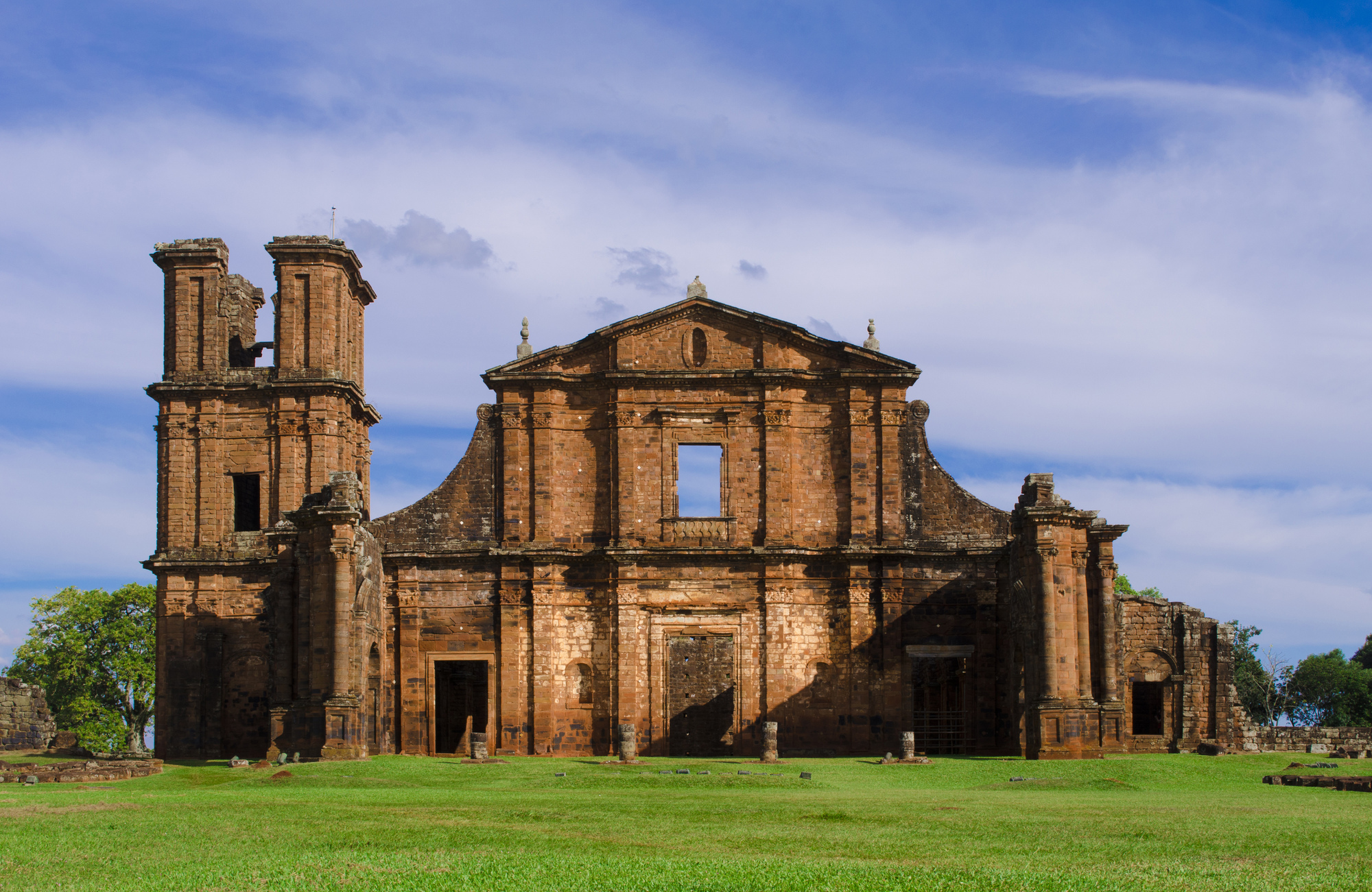
Save this picture!Ruins of São Miguel das Missões - Rio Grande do Sul - Brazil. Image © wikimedia commons by Dicklyon licensed under the Creative Commons Attribution-Share Alike 4.0 International license.Written by Camilla Ghisleni | Translated by Diogo SimõesPublished on February 23, 2026 Share ShareFacebookTwitterMailPinterestWhatsappOrhttps://www.archdaily.com/1038829/who-decides-what-is-worth-preserving-power-and-heritage-in-latin-america Clipboard "COPY" CopyWhen we enter a museum, walk through a historic center, or review a country’s list of protected heritage sites, we rarely think about the process behind those choices. Who decided, on behalf of all of us, that certain objects, places, and architectures deserved to be preserved and disseminated, while others were discarded?In most cases, the power of decision lies with specialized professionals—historians, museologists, architects, geographers. But on what basis are these decisions made? Can the complexity of history be reduced to a checklist? Or, more fundamentally, which version of history underlies these choices?+ 13 In a global context marked by socioeconomic inequality, structural historical injustices, and the imminent threat of ecological collapse, a new era of reconstruction is emerging—of cities, architectures, communities, and heritage itself. In this moment, bringing such questions to the forefront becomes essential. Related Article Rethinking History: Democratising Architectural Heritage Save this pictu...