Calibrated Rawness: Studio 1:1 and the Discipline of Making in Hong Kong and Beyond | ArchDaily
Summary
The article explores 'calibrated rawness' in Hong Kong architecture, highlighting Studio 1:1's approach that merges luxury and industrial styles with material honesty.
Why It Matters
This concept is significant as it reflects a growing architectural trend that balances aesthetics and functionality, providing insights into how design can transcend price points and cater to diverse urban environments. It emphasizes the importance of materiality and precision in contemporary architecture.
Key Takeaways
- Calibrated rawness combines luxury and industrial design principles.
- Architecture can achieve material honesty without being defined by cost.
- Studio 1:1 exemplifies this approach through its projects.
- The discipline of making is crucial for balanced architectural execution.
- This trend offers a new perspective on urban design in Hong Kong.
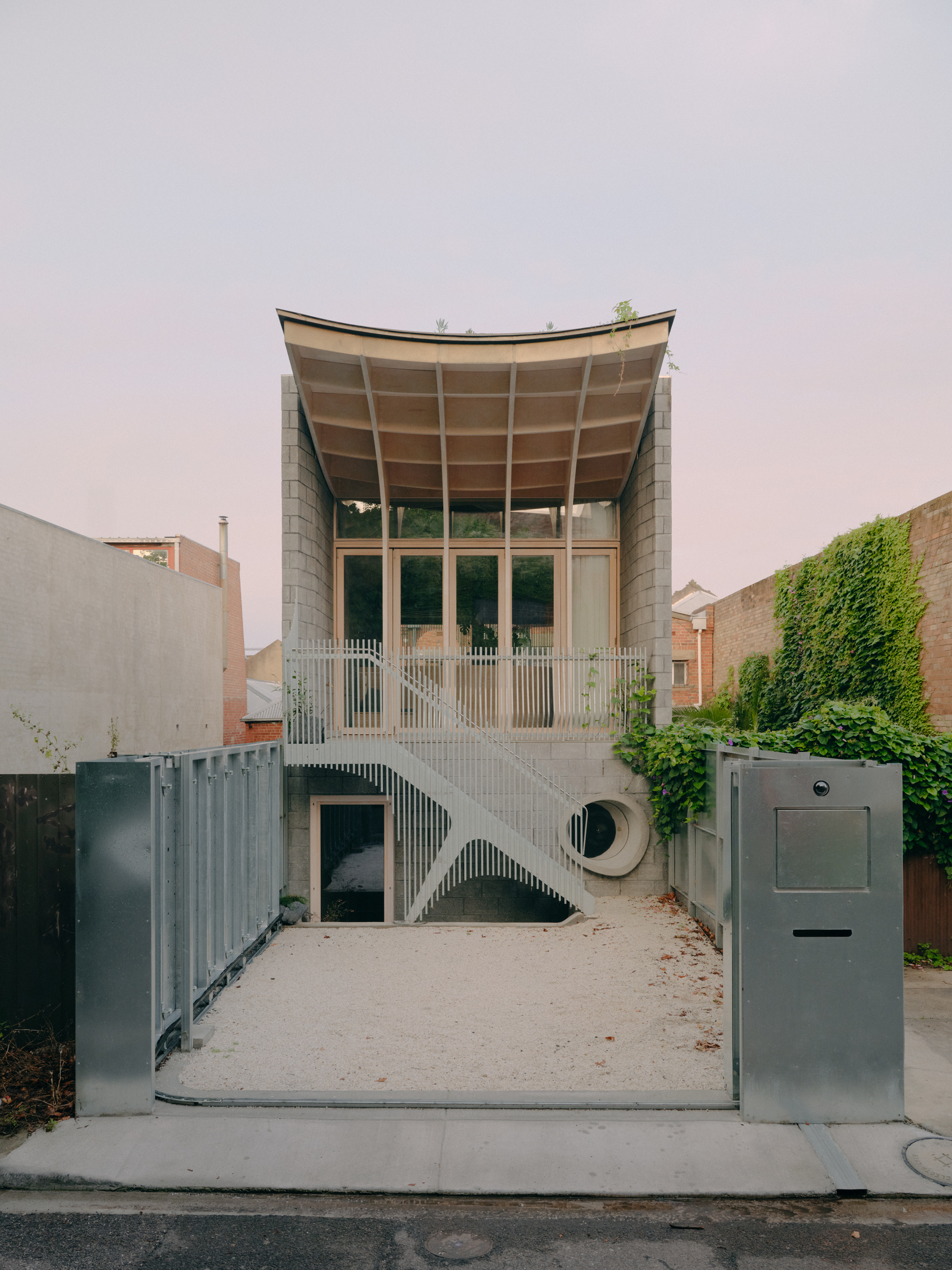
Save this picture!Light & Span. Image Courtesy of Studio 1:1Written by Jonathan YeungPublished on February 26, 2026 Share ShareFacebookTwitterMailPinterestWhatsappOrhttps://www.archdaily.com/1038994/calibrated-rawness-studio-1-1-and-the-discipline-of-making-in-hong-kong-and-beyond Clipboard "COPY" CopyIn Hong Kong, where interiors and small buildings are routinely caught between two extremes—high-gloss "luxury" finishes on one end, and budget-cautious industrial roughness on the other—a third attitude has emerged through the calibration of both: a uniquely precise, relevant, and materially honest execution that is not dependent on price point. This is calibrated rawness. Calibrated rawness describes an architecture that retains the directness of matter and materiality—concrete, metal, blockwork, exposed structure, visible services—while subjecting it to rigorous control.The "raw" is not a costume, and the "refined" is not polished; it is a discipline of precise execution, producing spaces that feel balanced and considered, yet never "made up" or overworked. Studio 1:1 demonstrates this attitude consistently across its work—and its upcoming publication, Architecture under the Radar: Three Projects in Asia (with a foreword by Nader Tehrani), offers a timely frame through which to read this ethos as more than an aesthetic, but as a repeatable architectural method.+ 11