Concrete from the ashes
Summary
A consortium led by TH Köln is exploring the use of household waste incineration ash to create a new raw material for construction, potentially binding CO2 and contributing to sustainability in concrete production.
Why It Matters
This research addresses the dual challenge of waste management and carbon emissions in the construction industry. By developing a process to utilize incineration ash, the project could significantly reduce reliance on traditional raw materials, promote circular economy principles, and enhance climate protection efforts.
Key Takeaways
- The project aims to develop a carbonation process to bind CO2 in incineration ash.
- Carbonated ash could replace traditional materials like gravel in construction.
- The initiative supports circular economy and climate protection goals.
- Different carbonation methods are being tested for efficiency.
- Consistent material quality is crucial for regulatory compliance in construction.
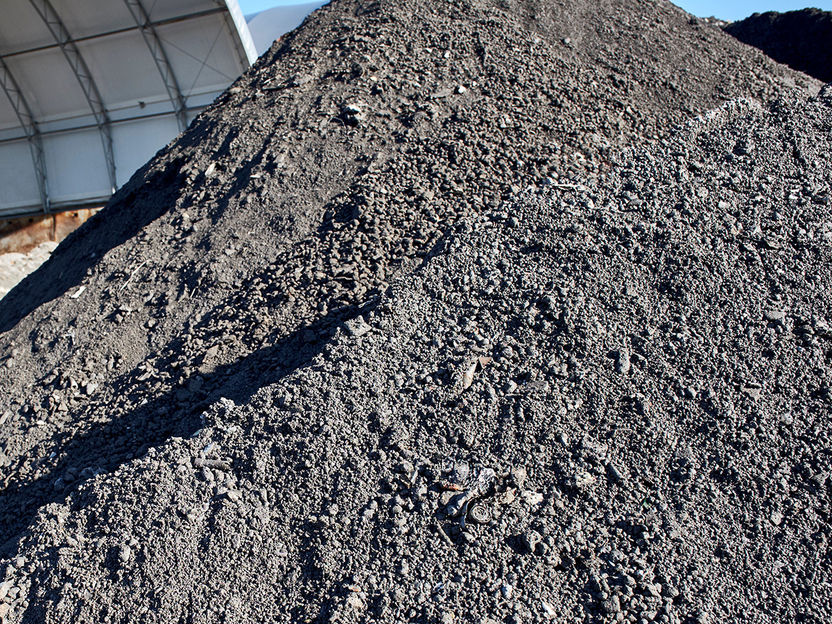
Share by Linkedin Share by Reddit Share by Facebook Share by Bluesky Share by X Share by Mastodon Share by Xing Share by email Loading... Bookmark Bookmark list Bookmark Print Subscribe to newsletter Concrete from the ashes Bottom ash permanently binds CO2 for road construction and concrete production 27-Feb-2026 Incinerator bottom ash refer GmbH Advertisement MiniPlane II – Micrometer-precise, reproducible surface cuts by hand Work Smarter, Not Harder - The New Spectral Databases Are Now Available diaLIMS - more than just comprehensive laboratory software When household waste incineration ash meets CO2, a new raw material for the construction industry could be created. An interdisciplinary consortium involving the TH Köln is therefore investigating a new process to permanently bind carbon dioxide. The end product is to be used as a substitute building material in road construction or concrete production. Every year, around six million tons of bottom ash are produced in Germany from the incineration of municipal waste. These are treated in specialized processing plants in order to recover metals and process them into a purified finished ash through targeted screening and sorting steps. "The mineral components it contains are able to absorb CO2 and bind it permanently - known as carbonation. In our project, we want to develop a practical carbonation process and test whether our end product is suitable for use in road construction or concrete production," explains Prof. Dr. ...