Negotiating Boundaries: Climate and the Building Envelope in Central American Architecture | ArchDaily
About this article
Understand the shift in architectural design from defense to openness in Central America, balancing airflow and thermal stability.
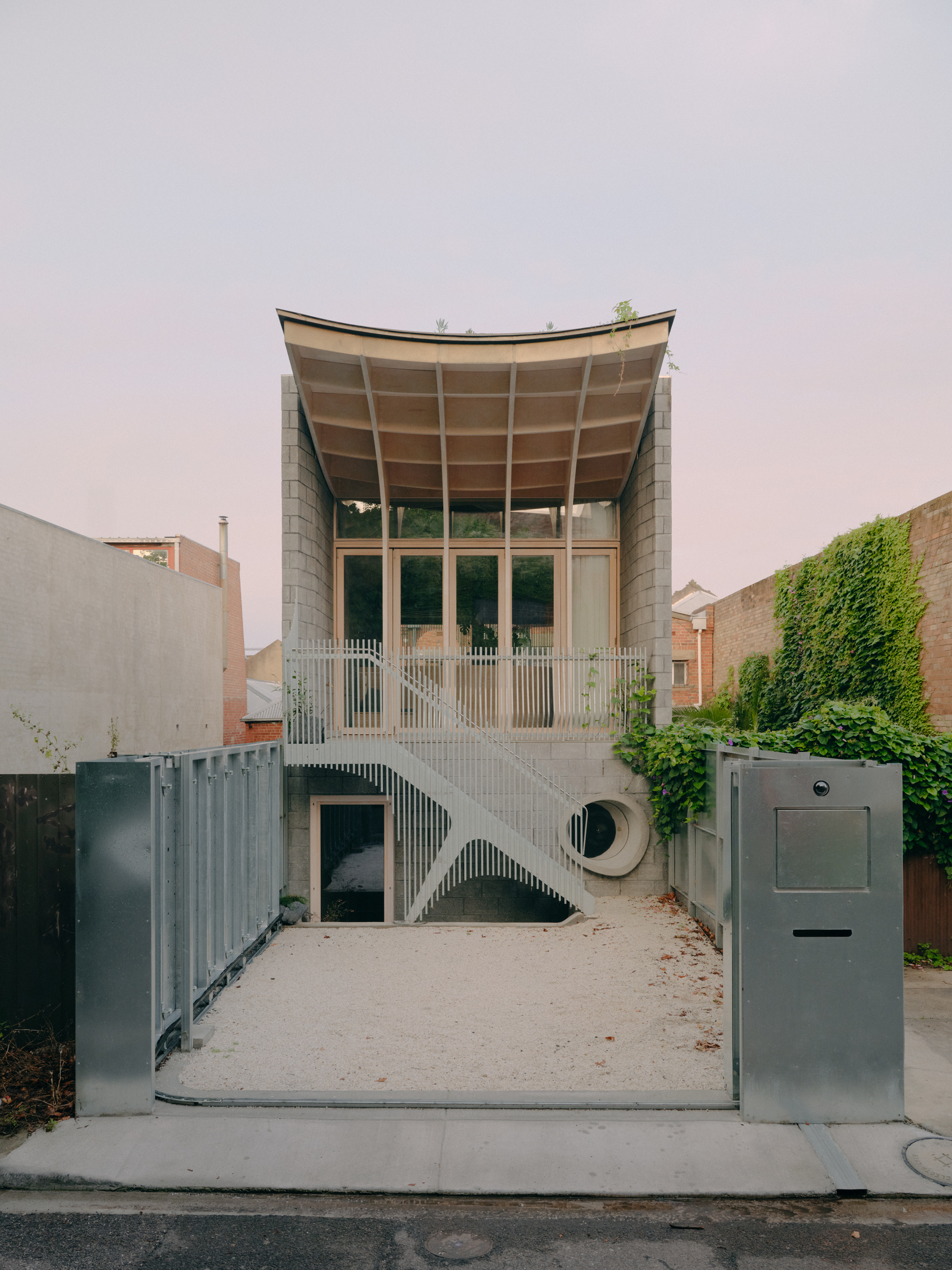
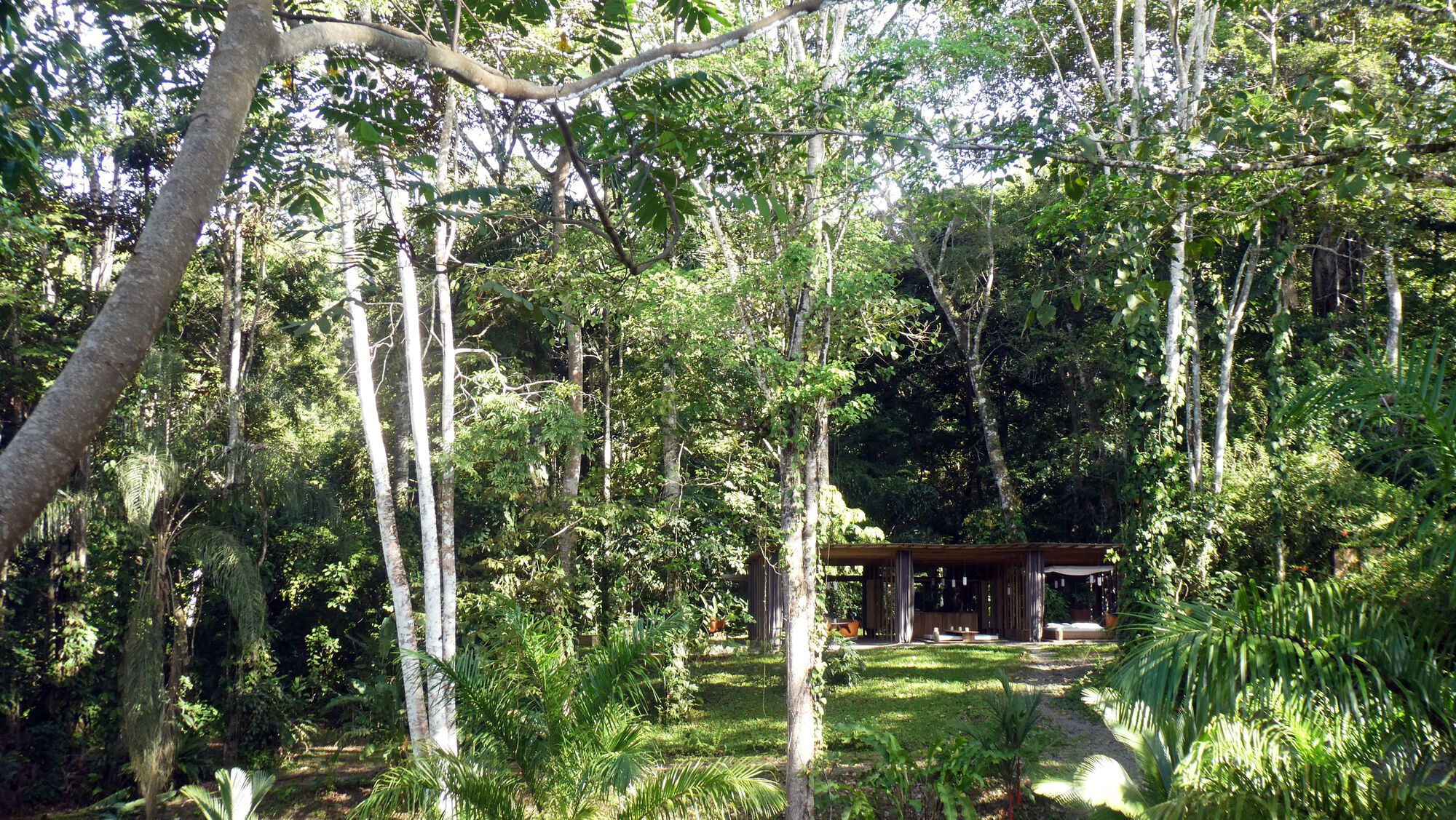
Save this picture!Open House in the Jungle by Ksymena Borczynska hiding among the trees. Image © Ksymena BorczynskaWritten by Moises CarrascoPublished on March 25, 2026 Share ShareFacebookTwitterMailPinterestWhatsappOrhttps://www.archdaily.com/1039856/negotiating-boundaries-climate-and-the-building-envelope-in-central-american-architecture Clipboard "COPY" CopyIn temperate and cold climates, architecture typically begins with a defensive gesture. The building envelope is a sealed boundary designed to resist the exterior environment through insulation, vapor barriers, and mechanical control. In cold countries like Canada, where winter temperatures can plunge well below freezing, airtightness is not a luxury. In this context, buildings must resist the exterior environment entirely to maintain interior comfort. However, in Central America, a region spanning from Belize to Panama, architectural logic shifts from exclusion to negotiation. In this region, the envelope is not a wall of defense but a specialized filter.+ 6 The primary driver of this shift is thermal stability. In lowland cities like Panama City or Managua, monthly average temperatures fluctuate narrowly between 23°C and 35°C. In highland areas, such as Tegucigalpa or Guatemala City, the range sits between 15°C and 30°C. This consistency eliminates the need to buffer extreme thermal swings or survive life-threatening freezing temperatures. There is no prolonged winter to resist, no dramatic fluctuation to mitigate,...