Qasr AlHokm Metro Station / Snøhetta | ArchDaily
Summary
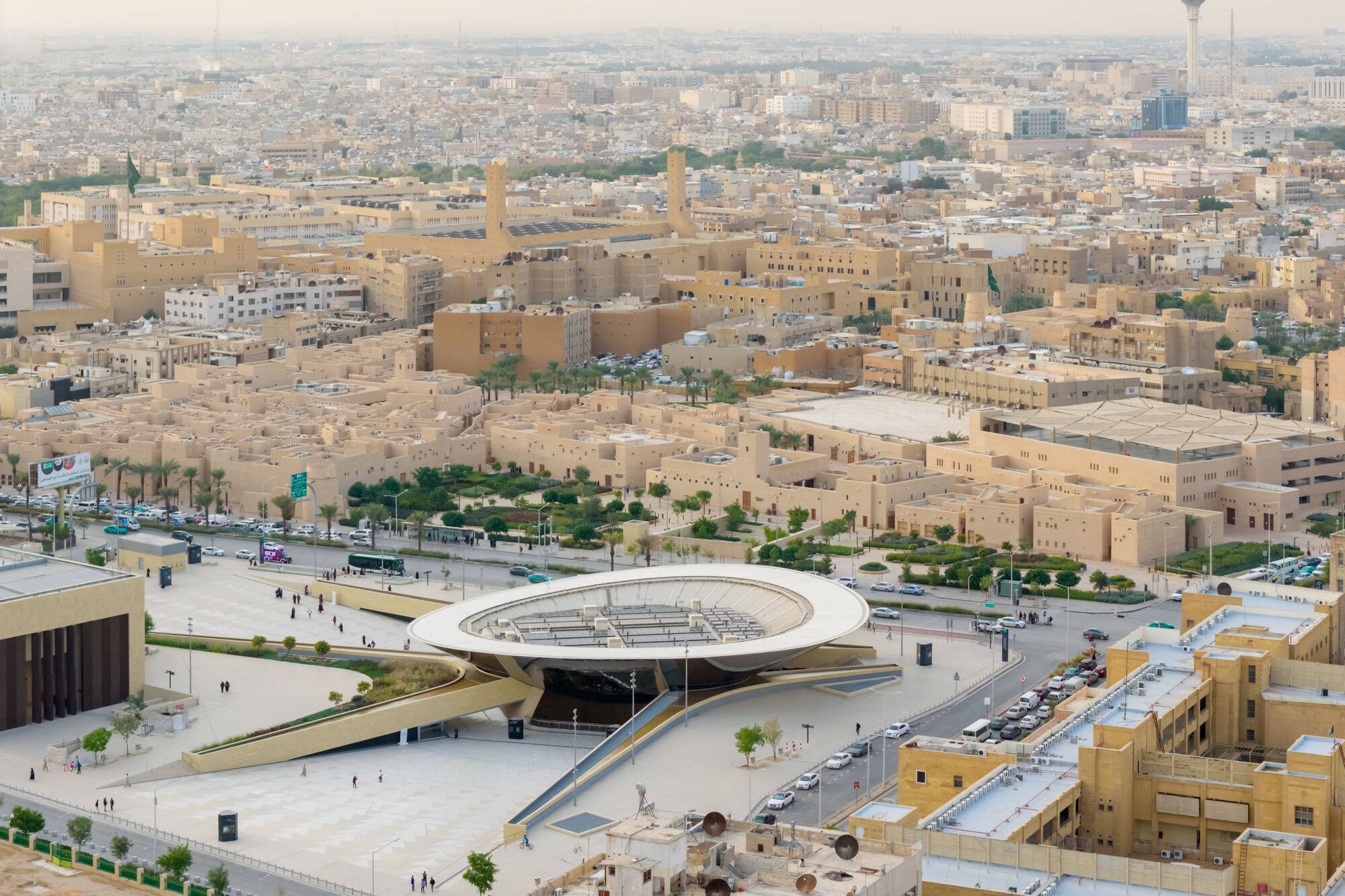
The Qasr AlHokm Metro Station in Riyadh, designed by Snøhetta, features a reflective canopy and an underground garden, enhancing urban connectivity and sustainability.
Why It Matters
This project represents a significant advancement in urban infrastructure in Saudi Arabia, promoting sustainable design and enhancing public spaces. It serves as a model for future metro stations globally, showcasing innovative architectural solutions that prioritize environmental impact and user experience.
Key Takeaways
- The station features a 360-degree reflective canopy that enhances natural light and urban aesthetics.
- It includes a lush underground garden, contributing to environmental sustainability.
- Designed as an open urban plaza, it promotes pedestrian connectivity in Riyadh.
- The project achieved LEED 2009 Gold Certification, highlighting its commitment to green building practices.
- It serves as a key hub in Riyadh's new metro system, linking major transit lines.
Save this picture!Courtesy of SnøhettaCurated by Hadir Al Koshta Share ShareFacebookTwitterMailPinterestWhatsappOrhttps://www.archdaily.com/1039120/qasr-alhokm-metro-station-snohetta Clipboard "COPY" CopyPublic Space, Metro Station, Sustainability•Riyadh, Saudi Arabia Architects: Snøhetta Area Area of this architecture project Area: 20000 m² Year Completion year of this architecture project Year: 2025 Structure: AKT Lighting consultants: dpa lighting consultants Category: Public Space, Metro Station, SustainabilityUnderground Levels: 8Certification: Green Building Rating System: LEED 2009 Gold Certi cationServices: Hilson MoranConsortium: ArRiyadh New Mobility (ANM)City: RiyadhCountry: Saudi ArabiaMore SpecsLess Specs Save this picture!Courtesy of Snøhetta Text description provided by the architects. A 360-degree reflective canopy and a lush underground garden welcome travellers to the Qasr AlHokm metro station. As one of four main hubs in the new metro system of the Saudi capital, connecting two of the main metro lines, the historic Al-Qiri district station is designed as an open urban and pedestrian plaza with a large stainless-steel canopy that acts as an urban periscope. The station levels are visually linked through the mirror-like overhang structure reflecting the outside inwards and the inside outward, while also directing natural light into the underground station and providing shade to the surrounding public areas.