Tie-Ma Cycling Station at Dapo Pond / Studio APL + Lin Ko-Fang Architects | ArchDaily
Summary
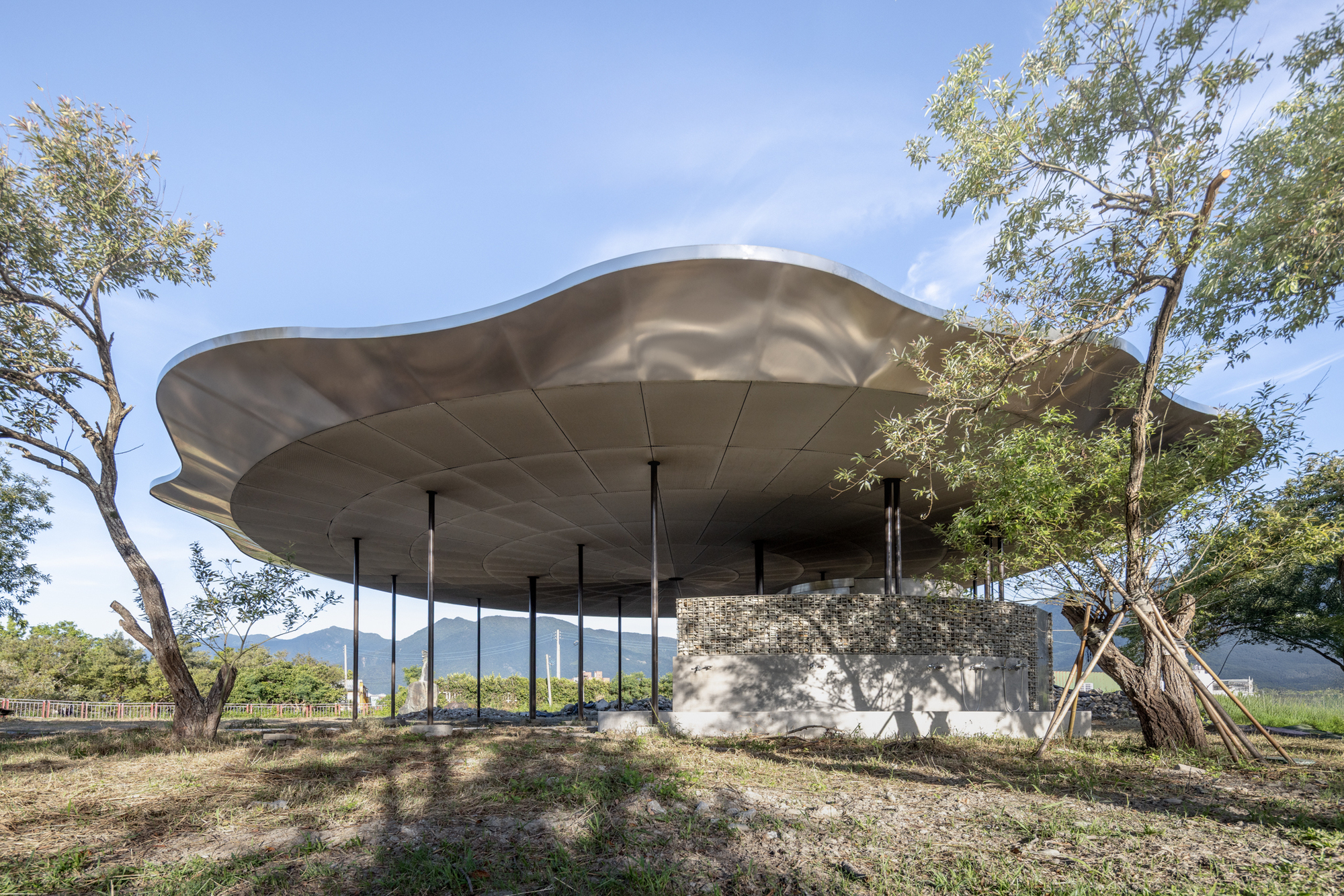
The Tie-Ma Cycling Station in Taitung County, Taiwan, designed by Studio APL and Lin Ko-Fang Architects, features a unique 'lotus garden' design that integrates with the local wetland ecosystem, providing a sanctuary for cyclists.
Why It Matters
This project exemplifies innovative landscape architecture that enhances public spaces while promoting sustainability and community engagement. By integrating natural elements with infrastructure, it serves as a model for future developments in harmony with the environment.
Key Takeaways
- The cycling station features a unique design resembling a lotus garden.
- It integrates with the wetland ecosystem, promoting environmental sustainability.
- The project transforms local materials into functional architectural elements.
- It aims to enhance community connectivity through its design.
- The station serves as a model for future infrastructure projects in natural settings.
Save this picture!© YuChen Chao Photography+ 13 Curated by Miwa Negoro Share ShareFacebookTwitterMailPinterestWhatsappOrhttps://www.archdaily.com/1038858/tie-ma-cycling-station-at-dapo-pond-studio-apl-plus-lin-ko-fang-architects Clipboard "COPY" CopyLandscape Architecture, Mixed Use Architecture, Cultural Architecture•Taitung County, Taiwan Architects: Lin Ko-Fang Architects, Studio APL Year Completion year of this architecture project Year: 2024 Photographs Photographs:YuChen Chao PhotographyCategory: Landscape Architecture, Mixed Use Architecture, Cultural ArchitectureCity: Taitung CountyCountry: TaiwanMore SpecsLess Specs Save this picture!© YuChen Chao Photography Text description provided by the architects. Floating above the ground of Dapo Pond in Taitung, a public space of a metal "lotus garden" creates a sanctuary for cyclists traversing Taiwan's East Rift Valley. Designed by Studio APL and Lin Ko-Fang Architects, the Tie-Ma Cycling Station reimagines the infrastructure of rest. Stones discovered during foundation excavation were transformed into breathable gabion walls and shaped steel into organic canopies; the project dissolves the boundary between the bicycle station and the wetland ecosystem. Currently in its first completed phase, this resilient landscape architecture acts not as a barrier, but as a porous interface connecting the local community with the rhythms of the water.